


| Contents |
|---|
Introduction
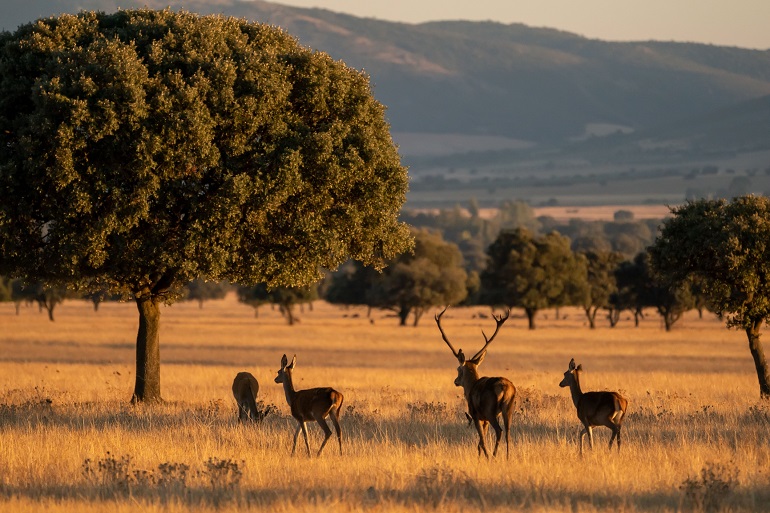
Cabañeros National Park, established on 20 November 1995, is located in the Montes de Toledo region of Spain, spanning across the provinces of Ciudad Real and Toledo in Castilla-La Mancha. Covering an area of 409 square kilometres, it represents the best and largest surviving area of Iberian Mediterranean forest in Europe. The park features a diverse landscape of "rañas" (plains) and mountains, with the terrain lying between the Estena and Bullaque rivers and extending into the Chorito and Miraflores mountain ranges. Home to over 1,000 plant species and remarkable wildlife including the Iberian imperial eagle, black vulture, mountain goat and red deer, Cabañeros also boasts significant geological interest with Paleozoic sites containing fossils more than 500 million years old. The park experiences hot, dry summers and cold, wet winters, with autumn being particularly notable for the deer rutting season that typically occurs between mid-September and mid-October.
Geography and Landscape
The park's landscape is characterised by two distinct geographical features:
The Raña
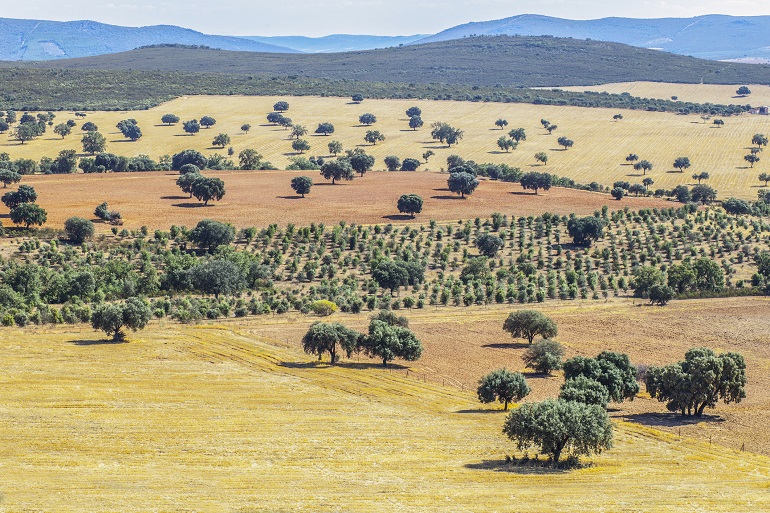
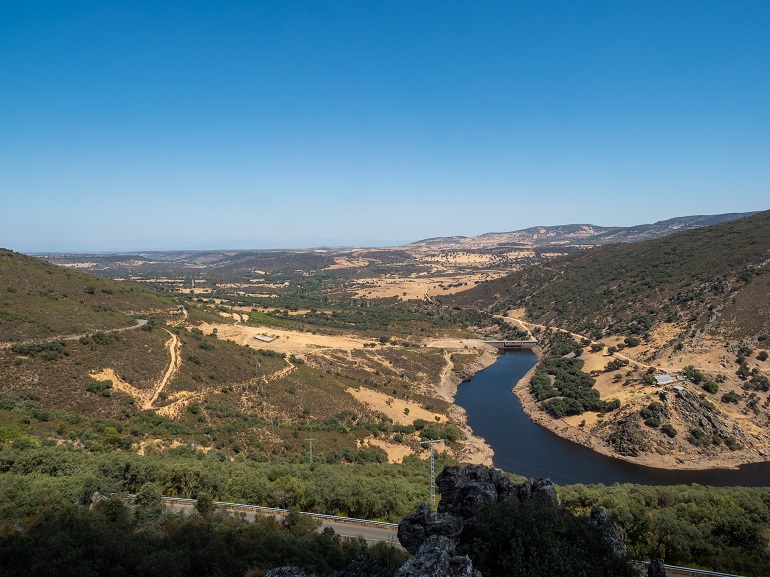
The southeastern part of the park is dominated by a vast plain known as the raña. This expansive grassland, covering approximately 8,000 hectares, originated about 3 million years ago from materials eroded from the surrounding mountains. The raña presents a unique wooded grassland appearance, with some areas still preserving the original vegetation.
The Mountains
The northern, central, and western portions of the park are occupied by mountain ranges, which make up the majority of the park's surface area. These mountains, part of the Montes de Toledo system, feature:
- Elevations ranging from 650 metres to 1,448 metres at the highest peak, Rocigalgo
- A wavy, undulating appearance due to heavy erosion
- Quartzite and slate as the dominant geological materials
- Bare stony areas known as 'pedrizas', which are recent colluvial deposits of loose quartzite
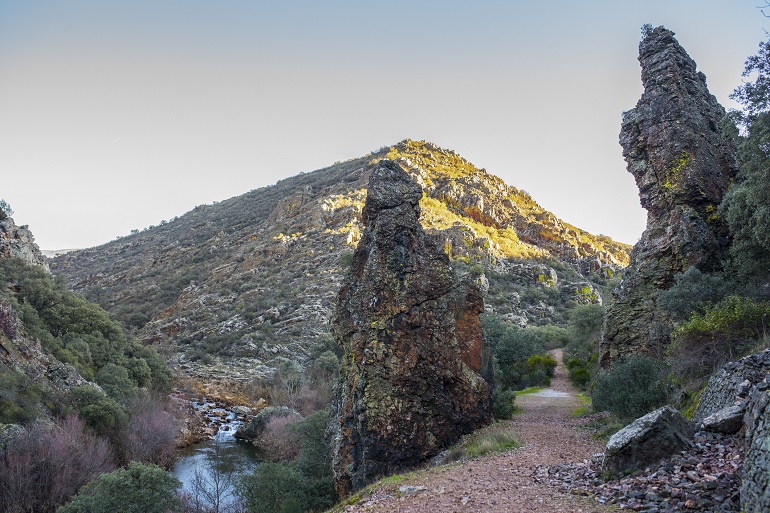
The park's geology is particularly noteworthy, with some areas containing fossils over 400 million years old, dating back to when the region was covered by sea. The Boquerón del Estena route is recognised as a Site of Geological Interest.
Climate
Cabañeros National Park experiences a Mediterranean climate, characterised by:
- Marked summer drought
- Spring and autumn rainfall
- Occasional winter snowfall
- Average temperatures ranging from 3.9°C in December to 23.8°C in July
- Annual precipitation averaging 586.4 mm, with February being the wettest month
The climate varies from mesomediterranean to supramediterranean as one moves from southeast to northeast within the park.
Flora and Fauna
Flora
The park's vegetation is characterised by ancient holm oak and cork oak forests, interspersed with aromatic Mediterranean scrubland. Over 1,000 species of vascular plants have been catalogued in Cabañeros. The landscape is a mosaic of different habitats, including:
- Gall oaks, maples, holm oaks, and cork oaks dominating the forested areas
- Willows, ash, and alder trees along riverbanks
- Unique species such as yew, holly, and birch in isolated stands
- Aquatic plants like buttercups and yellow water lilies in lakes and ponds
- Rare and endangered species, including the cross-leaved heath and carnivorous plants like the round-leaved sundew and pale butterwort
Fauna
Cabañeros National Park is renowned for its diverse wildlife, with 276 species of vertebrates recorded. The park's varied habitats support a wide range of animals:
Mammals:
- Large ungulates: red deer, roe deer, wild boar, and fallow deer
- Otters in the Estena river
- Medium-sized carnivores: wildcats, common genets, Egyptian mongooses, and badgers
- The critically endangered Iberian lynx, though sightings are rare
Birds:
The park is a Special Protection Area for birdlife, hosting numerous notable species:
- Large raptors: black vulture (with one of the world's largest breeding colonies), Spanish imperial eagle, golden eagle, and booted eagle
- Steppe birds: great bustard, little bustard, and Eurasian stone-curlew
- Other species: black stork, white stork, roller, and various kites
Reptiles and Amphibians:
- European pond turtle and green and black lizard
- Natterjack toad and Bosca's newt
Fish:
Endemic species in mountain streams, including ide, Squalius alburnoides, and common barbel
Insects:
The park is particularly known for its abundance of grasshoppers and butterflies in spring and summer
Visitors to Cabañeros National Park can explore this rich biodiversity through various guided tours, hiking trails, and wildlife observation points. The park's unique blend of Mediterranean ecosystems offers nature enthusiasts an unparalleled opportunity to experience the authentic flora and fauna of the Iberian Peninsula.
Activities and Attractions
Cabañeros National Park, one of the most extensive and well-preserved Mediterranean forest areas in the world, offers visitors a wealth of activities to enjoy its natural splendour. Spanning over 40,000 hectares across the provinces of Ciudad Real and Toledo, this magnificent park presents a diverse range of landscapes from dense forests to expansive plains, providing endless opportunities for exploration and adventure.
Hiking Trails
Cabañeros boasts 16 walking routes of varying difficulties and lengths, providing excellent opportunities to experience the park's diverse landscapes up close. These trails wind through lush Mediterranean forests, sunny hillsides, and valleys rich with native flora.
Popular Routes
Boquerón del Estena Route takes you on a fascinating journey 470 million years back in time, to when the Iberian Peninsula was submerged in a shallow sea. This 3 km round trip from the car park near the river offers a low difficulty level, making it suitable for most visitors. The trail features remarkable geological formations including ripple marks and Cruziana trace fossils, evidence of ancient marine life. Along the way, interpretive panels explain the geological significance of what you're seeing, making this an educational as well as scenic walk.
Plaza de los Moros Route is a 3.5 km circular trail where you can enjoy the penetrating aroma of dense rockrose groves. With a medium-low difficulty level, this route provides a pleasant walk through characteristic Mediterranean vegetation. The trail gets its name from an ancient archaeological site along the path, where you can observe the remains of what is believed to be a prehistoric settlement. The views from certain points along this route are particularly spectacular, offering panoramic vistas across the eastern section of the park.
Colada de Navalrincón allows you to delve deep into the historic border region between the Kingdom of Toledo and the Cordoba Caliphate. This 15 km round trip route has a low difficulty level despite its length. The path follows an ancient livestock trail (cañada) that has been used for centuries by shepherds moving their flocks. Walking this route gives you a sense of the historical importance of transhumance in the region. The trail is particularly beautiful in autumn when the deciduous trees display their golden colours.
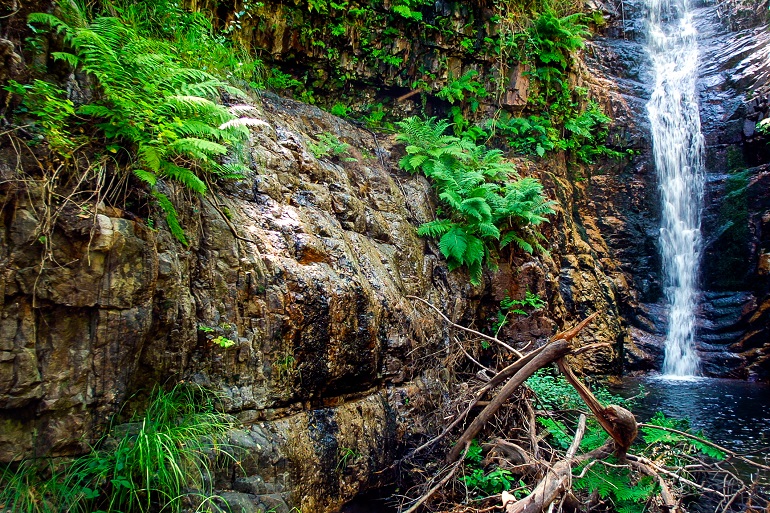
El Chorro, Chorrera Chica and Rocigalgo Routes offer varying distances (4 km, 5.5 km, and 9 km respectively) with medium-low difficulty. These trails lead to the Rocigalgo summit, providing charming resting spots along the way. El Chorro route features a spectacular waterfall that is particularly impressive after rainfall. The Rocigalgo route takes you to the highest point in the Montes de Toledo range at 1,448 metres, rewarding hikers with breathtaking 360-degree views across the entire national park and beyond.
Gargantilla Routes include three circular trails that explore different ecosystems within the park:
- Valle del Alcornocal: A 10 km circular route with low difficulty and a 150 m elevation gain. This trail winds through cork oak forests, showcasing trees that have been harvested for their valuable bark for generations. The sustainable harvesting of cork is demonstrated along certain sections of the trail.
- Robledal: A 5 km circular path with low difficulty and a 150 m elevation gain. This route takes you through ancient oak woodlands, some containing trees that are hundreds of years old. The forest floor is particularly beautiful in spring when carpeted with wildflowers.
- Valhondo: A 6.5 km circular trail with medium-low difficulty and a 300 m elevation gain. This more challenging route rewards hikers with spectacular views across deep valleys and rugged terrain. The diverse vegetation changes noticeably as you gain elevation.
La Chorrera Route takes you through the only natural area in Castilla-La Mancha designated as a Protected Landscape. This 4 km round trip from the car park (or 10 km from Horcajo village) has a low difficulty level with a 90 m elevation gain. The highlight is a beautiful waterfall cascading down moss-covered rocks, creating a refreshing microclimate that supports unique plant species not found elsewhere in the park.
Lesser-Known Trails
Machero to Palillos Route is a 7 km one-way trail (14 km return) that crosses the heart of the park, connecting two of its main visitor areas. With a medium difficulty level, this trail offers a comprehensive experience of Cabañeros' diverse landscapes, from dense Mediterranean forest to open grasslands. The contrast between these ecosystems is particularly striking and provides excellent opportunities for photography.
Sierra de Castellar de los Bueyes Route is a challenging 8 km circular trail with significant elevation changes. This route takes you through some of the most remote areas of the park, where the sense of wilderness is profound. The trail follows ancient hunting paths used for centuries and offers some of the most dramatic scenery in the park.
Fuente del Caño Route is a gentle 2 km circular walk suitable for all ages and abilities. Despite its short length, this trail showcases remarkable biodiversity, particularly in terms of aquatic plants and amphibians around the natural spring that gives the route its name. Interpretive panels explain the importance of these water sources for the park's ecosystem.
Other Activities
4x4 Tours
For those who prefer a less strenuous experience, the park offers tours in four-wheel-drive vehicles. These guided excursions include stops at viewpoints and observatories, providing excellent opportunities to appreciate the park's vast landscapes. The most popular route is the Raña de Santiago tour, which crosses the expansive plains that are emblematic of Cabañeros. These tours last approximately 3-4 hours and are led by knowledgeable guides who explain the park's ecology, history, and conservation efforts. Advance booking is essential, particularly during peak season.
Cycling
Two of the park's routes can be explored by bicycle, offering a different perspective of the natural environment. The Camino del Área Recreativa del Acebo is a 12 km route suitable for mountain bikes, while the Camino de la Raña del Valle de Santiago offers a longer 20 km ride across more varied terrain. Cycling these routes allows visitors to cover more ground than on foot while still maintaining an intimate connection with the landscape. Bicycle hire is available in some of the villages surrounding the park.
Horse Riding
With advance booking, visitors can experience some of the trails on horseback, providing a traditional way to traverse the landscape that connects with the region's cultural heritage. Local stables offer guided rides ranging from one-hour introductory experiences to full-day excursions. Riding through the dehesa (wooded pastureland) on horseback gives you a sense of how this landscape has been traversed for centuries. Routes are available for all experience levels, from complete beginners to accomplished riders.
Adventure Activities
For more adventurous visitors, Cabañeros offers a range of exciting activities including:
- Archery: Several locations within the park's buffer zone offer archery ranges where visitors can try this traditional skill under expert guidance.
- Rock climbing: The park's rocky outcrops provide challenging climbs for experienced mountaineers. Guided climbing experiences can be arranged through local adventure companies.
- Paintball: For groups seeking an adrenaline rush, paintball facilities are available in designated areas outside the core protection zone.
- Kayaking: The rivers and reservoirs bordering the park offer opportunities for paddling adventures. The Bullaque River is particularly popular for gentle kayaking experiences suitable for beginners.
Astronomy
The clear night skies of Cabañeros make it an excellent location for stargazing. Several areas in the park transform into stunning natural observatories, particularly during spring and summer. Cabañeros has been recognised for its exceptional dark sky quality and is working towards official Dark Sky Reserve status. Organised astronomy nights are held regularly, where experts provide telescopes and guidance on observing celestial objects. The combination of high elevation, low light pollution, and clear Mediterranean air creates ideal conditions for astronomical observation.
Photography
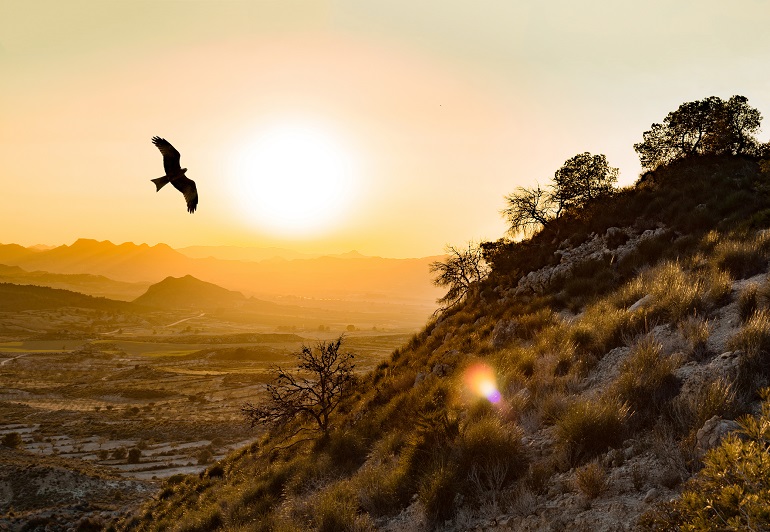
The diverse landscapes and changing seasonal colours make Cabañeros a paradise for photography enthusiasts. From misty morning scenes across the raña plains to dramatic sunset silhouettes against the mountains, photographic opportunities abound. Several viewpoints have been established at strategic locations to capture the most impressive vistas. For wildlife photography, the park offers specially designed hides that can be booked in advance, allowing for close observation without disturbing the animals.
Cultural Heritage Sites
Within and around the park, visitors can explore several sites of cultural significance:
- Traditional Cabañas: These distinctive conical huts made from local materials were traditionally used by shepherds and charcoal makers. Several restored examples can be visited within the park.
- Ancient Stone Walls: Throughout the park, you'll encounter stone walls built without mortar that have stood for centuries, marking ancient property boundaries and livestock enclosures.
- Water Mills: Along the rivers, several restored water mills demonstrate traditional methods of harnessing water power for grinding grain.
Accommodation
Types of Accommodation
Campsites
For those seeking a closer connection with nature, there are campsites available within the park boundaries. These sites typically offer basic amenities such as barbecue areas, covered swimming pools, and recreational facilities. Some campsites also provide bungalows for a more comfortable stay whilst still enjoying the outdoor experience.
Rural Houses and Lodges
Scattered around the park's periphery are charming rural houses and eco-lodges. These accommodations often blend traditional architecture with modern comforts, providing a rustic yet cosy atmosphere. Many of these establishments are family-run and offer a personal touch to your stay.
Hotels
In the nearby towns and villages, visitors can find a selection of hotels ranging from budget-friendly options to more upscale establishments. These hotels often serve as convenient bases for exploring the park and typically offer amenities such as restaurants, Wi-Fi, and parking.
Location Considerations
When choosing accommodation, consider its proximity to the park's main attractions and visitor centres. Some lodgings are situated near popular hiking trails or wildlife viewing areas, which can be advantageous for early morning excursions.
Booking Tips
- It's advisable to book accommodation in advance, especially during peak seasons such as autumn when the deer rutting takes place.
- Check if your chosen accommodation offers guided tours or information about park activities, as this can enhance your visit.
- Some establishments may have limited availability during winter months, so it's worth confirming opening dates if planning a visit during this time.
Remember that staying within or near the park allows for a more immersive experience of Cabañeros' unique Mediterranean forest ecosystem and its diverse wildlife.
Gastronomy
Traditional Dishes
Travellers to Cabañeros can indulge in classic Manchego-mountain fare. Popular options include:
- Migas: A rustic dish made from breadcrumbs fried with garlic and other ingredients
- Gachas: A porridge-like dish often prepared with flour, water, olive oil, and garlic
- Roasted pepper salad: A refreshing side featuring the area's flavourful peppers
Game meat features prominently in local cuisine, with specialities like venison, wild boar, partridge, and quail often on offer. These are typically prepared as hearty stews or roasted dishes.
Local Produce
The area is renowned for its excellent cheeses, particularly Manchego made from sheep's milk. Visitors should also sample the local wines, including robust reds and the unique "pitarra" wines produced in small batches.
For those with a sweet tooth, the region offers delectable honey harvested from local beehives.
Dining Experience
Restaurants in the villages surrounding the park often feature cosy, rustic atmospheres perfect for enjoying long, leisurely meals. Many establishments pride themselves on using locally-sourced, seasonal ingredients.
It's worth noting that vegetarian options may be limited, as meat features heavily in traditional dishes. However, with advance notice, many restaurants can accommodate dietary restrictions.
Getting There and Around
By Car
From Madrid
- Take the A-4 highway towards Córdoba and exit towards the CM-415 in the direction of Los Yébenes
- Continue along the CM-415 until you reach Navas de Estena, one of the park entrances
- Alternatively, drive to Estación Sur de Autobuses and then continue to Pueblonuevo del Bullaque, which takes approximately 2 hours and 1 minute (149.7 km)
From Ciudad Real
- Take road CM-412 towards Porzuna
- After Porzuna, you have two options:
- Take road CM-403 to Pueblonuevo del Bullaque, which leads to the "Casa Palillos" Visitor Centre
- Take road CM-4106 through El Robledo and Alcoba de los Montes to Horcajo de los Montes, where you'll find an information point at the Ethnographic Museum
From Toledo
You have three main routes:
- Take road CM-4013 to Las Ventas con Peña Aguilera, then head towards Pueblonuevo del Bullaque
- Drive on CM-401 towards Navahermosa, then take CM-4157 to Navas de Estena
- Use road CM-401 towards Navahermosa, continue to Los Navalmorales, and then take CM-4155 to Los Navalucillos
From Talavera de la Reina
- Take N-502 to Sevilleja de la Jara, then turn towards Anchuras on CM-4106
- Follow CM-4102 to Los Navalmorales, then take CM-4155 to Los Navalucillos
- Head on N-502 to Alcaudete de la Jara, then take CM-401 towards Navahermosa
Important note: Drive with caution as you're in a protected natural area. Animals like deer and wild boars may cross the road, especially at night. Avoid unpaved roads to protect the natural environment.
By Public Transport
From Madrid
- Buses depart from Madrid's South Bus Station (Estación Sur de Autobuses) to Pueblonuevo del Bullaque six times a week (Monday to Friday), with a journey time of approximately 2 hours and 40 minutes
- Alternatively, take a train from Madrid-Puerta De Atocha to Toledo, then catch a bus to Pueblonuevo del Bullaque. This option takes about 3 hours and 15 minutes
From Ciudad Real
- Take a bus to towns near the park, such as Porzuna
- Then arrange a taxi or private shuttle to the park entrance
Costs
- Bus from Madrid: €13-17
- Train and bus combination: €14-19
- Driving from Madrid: approximately €26-37 in fuel costs
Visitor Information
The park offers 16 walking routes of varying difficulties, with four routes accessible to people with disabilities. Two routes can also be done by mountain bike or horseback. For guided tours, which are free, you must reserve in advance by calling the Park Office at +34 926 783 297.
Remember to wear comfortable hiking shoes, bring plenty of water and snacks, and check the weather forecast before your visit.
Best Time to Visit
The Cabañeros National Park offers unique experiences throughout the year, making it an appealing destination in every season. However, certain periods may be particularly rewarding for visitors.
Spring and autumn are widely considered the best times to visit Cabañeros. In spring, the fields begin to adorn themselves in vibrant green hues, creating a picturesque landscape. Autumn is equally captivating, as the oak leaves start to burnish, painting the park in warm, golden tones.
For wildlife enthusiasts, the early morning or late afternoon tours are recommended, as these coincide with the hours of greatest fauna activity. These times offer the best opportunities for observing the park's diverse animal inhabitants.
Summer in Cabañeros is characterised by dry and hot weather, whilst winters are cold and wet. If visiting during the warmer months, it's advisable to avoid hiking during the midday heat.
For stargazing aficionados, spring and summer nights are ideal. The park's clear, starry skies transform several areas into stunning natural observatories during these seasons.
Regardless of the season, it's essential to organise your journey from one of the visitor centres to make the most of your trip. The park is suitable for visitors of all ages, including families with children, throughout the year.
Conservation and Responsible Tourism
Conservation Efforts
The park's conservation initiatives focus on several key areas:
Habitat Protection
Cabañeros is home to important ecological, botanical, and zoological features. It harbours 10% of the world's Black Vulture population and provides habitat for endangered species such as the Imperial Eagle and the Iberian Lynx.
Land Acquisition
The park administration has made significant efforts to increase public ownership of the land, which has risen to 53%. This has allowed for better management and conservation of critical habitats, including 90% of Black Vulture nesting sites and territories of two Imperial Eagle pairs.
Habitat Restoration
The park has undertaken projects to restore native Mediterranean forest by removing non-native Eucalyptus plantations. The removed wood has been repurposed to create refuges for rabbits, a crucial prey species for many predators.
Species Recovery
Efforts are underway to increase rabbit populations, which are fundamental to the diet of priority predators like the Iberian Lynx and Imperial Eagle.
Responsible Tourism
Cabañeros National Park is committed to sustainable tourism development that is compatible with nature conservation:
European Charter for Sustainable Tourism
In 2009, Cabañeros was awarded the European Charter for Sustainable Tourism (ECST) by the EUROPARC Federation, recognising its commitment to sustainable tourism practices.
Guided Tours
The park offers free guided tours led by interpreters, which must be booked in advance. These tours provide visitors with educational experiences whilst ensuring minimal impact on the environment.
Diverse Trail Options
There are 16 walking trails of varying difficulty and length within the park. Some trails are accessible to people with reduced mobility, and two can be explored by mountain bike.
4x4 Routes
To balance conservation with visitor experience, certain areas of the park are accessible via 4x4 routes, allowing visitors to observe wildlife in the vast pastures.
Eco-friendly Accommodation
Visitors can stay at sustainable lodgings like the Ecolodge de Cabañeros, which offers tree houses surrounded by 15,000 square metres of Mediterranean forest.
When visiting Cabañeros National Park, tourists are encouraged to:
- Respect wildlife and maintain a safe distance.
- Stay on designated trails and follow park regulations.
- Book guided tours to support local economies and ensure responsible exploration.
- Choose eco-certified accommodations and services.
- Participate in conservation activities when available.
Visitor Centres and Educational Facilities
Main Visitor Centres
Cabañeros National Park Visitor Centre
Located 1 km from Horcajo de los Montes on the CM-4017 road, this is the largest visitor centre in the park. It features:
- Exhibitions showcasing the park's ecosystems throughout the seasons
- A traditional house displaying local culture and traditions
- Projection rooms and a library
- Picnic areas and free parking
- Open Friday to Sunday and bank holidays, 10:00 to 18:00
Casa Palillos Visitor Centre
Situated 5 km from Pueblo Nuevo del Bullaque on the CM-403 road, this centre provides:
- Comprehensive information on footpaths, fauna, and flora
- Live webcam broadcasts of lesser kestrels and owls in spring
- Botanical and ethnographic trails accessible to disabled visitors
- Picnic area, car park, and an observation deck
- Open daily, with hours varying seasonally (9:00 to 18:00, 19:00, or 20:00)
Torre de Abraham Visitor Centre
Located next to the Torre de Abraham dam on the CM-403 road, this centre offers:
- An exhibition on the park's water-related flora and fauna
- A scale model of riverside forests
- A recreational area with tables and swings
- A botanical trail along the Bullaque river, accessible to disabled visitors
- Open daily, with seasonal hours similar to Casa Palillos
Additional Facilities
Information Point in Los Navalucillos
A small wooden booth 5 km from the CM-4155 road, providing information and visitor registration for nearby trails.
Stork Observatory
Located 3 km from Casa Palillos, this wooden structure offers views of white stork colonies and other wildlife.
Torre de Abraham Marsh Viewpoint
Situated near the dam, it provides panoramic views of the water body and Retuerta scrubland.
Educational Activities
The park offers various educational experiences for visitors:
- Interactive and audiovisual exhibitions
- Educational activities for all ages
- Guided 4x4 vehicle tours
- Horseback riding excursions
- Opportunities for birdwatching and wildlife observation
These visitor centres and educational facilities provide an excellent starting point for exploring the Cabañeros National Park, offering valuable information and insights into the park's rich biodiversity, geology, and cultural heritage.