


 Belgium Guide
 Luxembourg Guide
Introduction
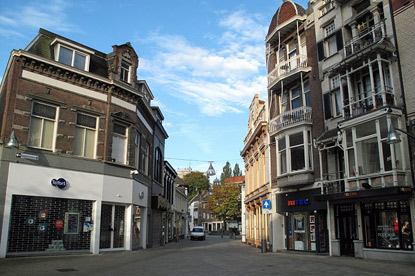
Tilburg, the sixth-largest city in the Netherlands and second-largest in North Brabant province, is home to approximately 222,601 residents (as of July 2021). Founded in 1809, this relatively new Benelux city has evolved from its roots as a wool capital with a thriving textile industry into a modern urban centre with a distinctive raw edge. The city hosts three universities, including the prestigious Tilburg University, making students 15% of its population—the highest ratio in the country. Tilburg is renowned for hosting the Tilburgse Kermis each July, the largest funfair in the Benelux, as well as its vibrant carnival celebrations (Kruikenstad). Notable attractions include the TextielMuseum showcasing the city's industrial heritage, the Pont contemporary art museum housed in a former wool spinning mill, the white palace of William II (now part of the town hall), and the Spoorzone area, which is being transformed from a former railway workshop into a cultural hotspot with markets and festivals. Though lacking a truly historic district, Tilburg offers visitors striking architecture, museums, and a lively centre filled with restaurants, shops and cafés.
History

Although te name of the place was mentioned as early as 709, Tilburg was not mentioned as a seigneury until the 14th century. The first castle was built in the next century, but would be destroyed in 1858. Tilburg was only granted city status in 1809, at which time the population did not exceed 9,000 inhabitants.
Tilburg grew as a herd place, a collective pastureland for flocks of sheep. The sheep provided wool, and soon the locals wove their own clothes. During the Industrial Revolution, looms turned into mill houses, and the local economy boomed, making of Tilburg the wool capital of the Netherlands. In 1881, Tilburg had some 145 woollen mills. The wool industry lasted well into the 20th century, before collapsing in the 1980's.
King William II (1792-1849) took a liking for the place and built a palace there (only completed a few months after his death). In 1987, an obelisk was erected near the palace in his memory. The local football team and a school were also named after William II.
Attractions
There aren't many things to visit in Tilburg. The only places of interests are the white palace of William II (not so impressive though), or maybe also St. Joseph's Church. Let's also note the Westpoint Tower (141.5m high), completed in 2004, which is the tallest residential building in the Netherlands.
How to get there
Getting to Tilburg is straightforward with excellent transport connections. If you're already in the Netherlands, the city is approximately 1.5 hours from Amsterdam by train, requiring a change at Utrecht Centraal for the intercity to 's-Hertogenbosch. Tilburg has three railway stations: Tilburg Centraal (main station near the city centre), Tilburg Universiteit, and Tilburg Reeshof. For international travellers, FlixBus serves the city with connections from Paris, Düsseldorf, Cologne, Poznan, and other European cities. Once in Tilburg, getting around is easy with approximately ten city bus lines operated by Bravo, connecting all neighbourhoods to the city centre. Tickets cost €1-2 for local journeys. However, cycling is the most efficient way to explore, with the city featuring extensive red bicycle lanes, including a direct path from the University to the City centre. E-steps (electric scooters) are also available for rent throughout Tilburg, offering an eco-friendly alternative. For those preferring to drive, there are seven parking garages in the city centre and two park and ride facilities providing affordable parking options.