


 Belgium Guide
 Luxembourg Guide
| Contents |
|---|

Introduction
Haarlem, the capital of North Holland, is a historic Dutch city located 20 kilometres west of Amsterdam along the river Spaarne. The city centre features a well-preserved medieval core with numerous canals, gabled houses, and over 20 hidden courtyards called hofjes. Known for having the highest concentration of museums per inhabitant in the Netherlands, Haarlem houses several significant cultural institutions, including the Teylers Museum - the country's oldest museum, and the Frans Hals Museum with its extensive collection of Dutch Golden Age art. The city's heart is the Grote Markt square, dominated by the Gothic St. Bavokerk cathedral and surrounded by historic buildings including the 13th-century City Hall. With more than 200 restaurants and 90 bars, along with renowned shopping districts like the Gouden Straatjes, Haarlem combines cultural heritage with modern urban amenities. Haarlem has been the historical centre of the tulip bulb-growing district for centuries and bears the nickname of Bloemenstad ("flower city") for this reason.
Interesting Facts about Haarlem
- Haarlem, often called Spaarnestad, is centred around the Spaarne River and boasts over 200 restaurants and 90 bars, more per capita than any other Dutch city.
- The city's 14th-century Amsterdamse Poort is the last remaining gate from its medieval fortifications, standing since 1355.
- Haarlem's Grote Kerk (St Bavokerk) houses the world-famous Müller organ, played by Mozart and Handel during its 18th-century heyday.
- It was once a major European linen production hub, with 17th-century textile expertise brought by Flemish refugees doubling its population.
- The Teylers Museum, established in 1778, holds the title of the Netherlands' oldest museum with collections spanning art, science and natural history.
- Haarlem's coat of arms features a sword and cross granted after local knights captured Damietta during the Fifth Crusade in 1219.
- The city's historic Vleeshal (Meat Hall), now part of the Frans Hals Museum, was once the only legal place to sell fresh meat in the 17th century.
- Haarlemmerhout park, mentioned in 13th-century texts, is considered the oldest public park in the Netherlands.
- New York's Harlem district takes its name from this Dutch city. It was founded by Dutch settlers in the 17th century and was originally called Nieuw Haarlem (New Haarlem).
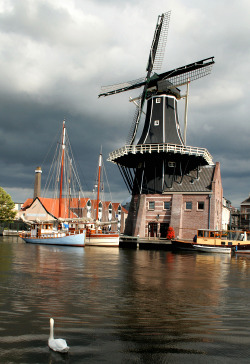
- Haarlem's 1932 fire-destroyed De Adriaan windmill was fully rebuilt in 2002 using 18th-century construction techniques.
History
Medieval period
The name Haarlem comes from "Haarloheim" or "Harulahem", which means "wooden place on high sandy soil". First mentioned in the 10th century, Haarlem had become a fortified town by the 12th century, then a residence of the Counts of Holland.
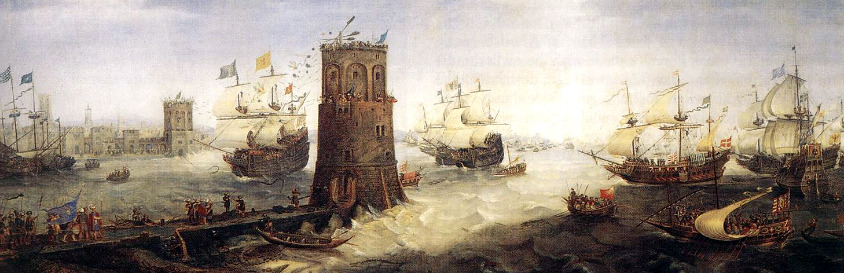
In 1219, the knights of Haarlem, under the command of Count William I of Holland, conquered the Egyptian port of Damietta (present-day Dimyat) during the Fifth Crusade. The events were depicted by Cornelis Claesz van Wieringen (ca. 1580-1633), in a painting exhibited at the Franz Hals Museum (see below). This feat gave Haarlem the right to bear the Count's sword and cross on its coat of arms. Haarlem obtained city rights, along with some judiciary privileges, under Count William II in 1245.
Several great fires completely destroyed the city in 1328, 1347, and 1351. The city was reconstructed in a near-square shape, based on the ancient plan of Jerusalem. The old castle had become obsolete and was not rebuilt after the fires, but replaced by the town hall.
More calamities befell on Haarlem, with the Black Death that hit the city in 1381, killing half of the population. The city was then the second largest in Holland, after Dordrecht, though its population did not exceed 10,000 people before the plague cut it in half.
At the end of the Middle Ages Haarlem was a flourishing city with a large textile industry, shipyards and beer breweries. Around 1428 the city was put under siege by the army of Jacqueline, Countess of Hainaut during the Hook and Cod wars (1350-1490).
Renaissance period
During the Dutch Revolt (1568-1648), the city was besieged by the Spaniards from November 1572 to July 1573. Hunger rose, and after failed attempts by William of Orange to free the city, it finally surrendered. Many of the defending soldiers were slaughtered or drown in the Spaarne River. Another fire ravaged the city in October 1576. The siege and fire had left one third of Haarlem in ashes.
The Spanish left in 1577 and under the Agreement of Veere, Protestants and Catholics were given equal rights. A large influx of Flemish and French Huguenot immigrants, fleeing religious persecutions, came to revive the city's economy. The new citizens had a lot of expertise in linen and silk trading, and the city's population grew from 18,000 in 1573 to around 40,000 in 1622. At one point, in 1621, over 50% of the population was Flemish-born.
From the Dutch Republic to present
The newly independent Netherlands experienced a Golden Age during the 17th century. Haarlem became an important beer brewing and tulips trading centre. It was the epicenter during tulip mania that peaked in 1636-37. At the time, tulips were traded on the stock exchanges of numerous Dutch towns and cities. Some bulbs were sold at the exorbitant price of 2,500 florins apiece, the equivalent of 80 pigs, or 25,000 kg of butter !
The Leidsevaart a canal linking Leiden to Haarlem, opened in 1656. It became popular to alternative to coach on the route from Rotterdam to Amsterdam.
The importance of Haarlem as a trade centre decreased in the 18th century to the profit of Amsterdam. In 1795, under the influence of the French Revolution, a group of dissidents of the ruling House of Orange-Nassau overthrew the regime and installed the Batavian Republic, modeled on the new French Republic. The Batavian Republic immediately signed a mutual defence pact with France. The French army entered Haarlem two days later, and their 1,500 soldiers were provided with food and clothing by the citizens.
In the 19th century, the textile trade declined sharply, but the economy got a push with the arrival of the railway in 1839 - the country's very first train line. The first horse tram appeared in 1878, and in 1899 the first Dutch electric tram ran in Haarlem. The population boomed, passing from 37,000 in 1879 to 69,000 in 1909, then progressively merging with surrounding towns.
Main Attractions
Main Squares and Historic Centre
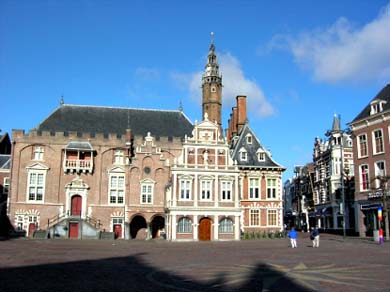
Haarlem's historic centre revolves around the Grote Markt, a spacious urban square that has served as the city's heart since medieval times. Originally named 't Sant, this central plaza hosts the city's most significant architectural landmarks. The square maintains its commercial heritage through bi-weekly markets on Mondays and Saturdays, where local farmers and artisans sell their produce, flowers, and crafts from 9:00 to 16:00. The surrounding cafés and restaurants, housed in historic buildings, offer traditional Dutch cuisine and international dishes.
Religious Architecture
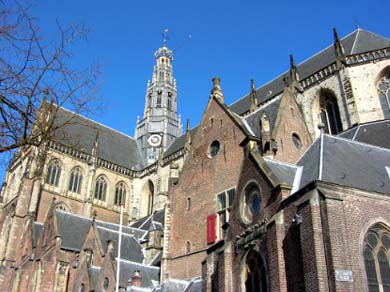
The Gothic St. Bavo Church (Grote Kerk) dominates the Grote Markt with its imposing 78-metre tower. Completed in 1520, this architectural masterpiece houses the world-renowned Müller organ, featuring 5,000 pipes and played by numerous musical luminaries, including Mozart during his childhood visit. The church floor contains 1,500 gravestones, including those of celebrated painter Frans Hals and artist Pieter Saenredam. Visitors can climb the tower on guided tours, offering panoramic views across Haarlem and, on clear days, Amsterdam and the North Sea.
The KoepelKathedraal, officially the Cathedral of Saint Bavo, stands as another remarkable religious edifice. Its 65-metre dome and 12 towers make it one of the most significant churches built between 1850 and 1950 worldwide. The cathedral's interior features intricate mosaics, stained glass windows, and various artistic styles from neo-Romanesque to Art Nouveau. The crypt houses a notable collection of religious artifacts and historical documents.
Historic Courtyards (Hofjes)
Haarlem's hofjes represent a unique architectural and social heritage, with 21 publicly accessible courtyards scattered throughout the city centre. These enclosed gardens, surrounded by almshouses, originally provided housing for elderly women. The oldest, Hofje van Bakenes (1395), exemplifies the typical Dutch hofje architecture. Each courtyard features carefully maintained gardens, historic water pumps, and distinctive architectural elements. Visitors can access most hofjes Monday through Friday from 10:00 to 17:00, with some opening on Saturdays.
Waterways and Windmills
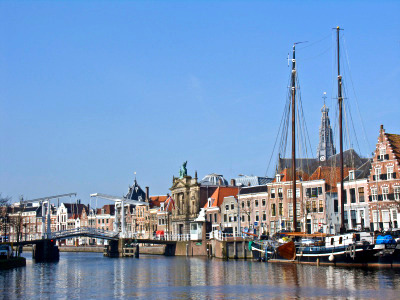
The Spaarne River, often called Haarlem's liquid history, meanders through the city centre, connecting to an intricate network of canals. Historic bridges, including the Gravestenenbrug and Catharijnebrug, span the river, offering picturesque views of traditional Dutch architecture. Boat tours operate from March through October, providing historical commentary and unique perspectives of the city's waterfront buildings.
Molen de Adriaan, reconstructed in 2001 after a fire destroyed the original 1779 structure, stands as a symbol of Dutch industrial heritage. Built on the foundations of the medieval Goe Vrouwtoren fortress, this tower windmill offers guided tours explaining traditional milling processes and the history of windmills in the Netherlands. The observation deck provides panoramic views of the city and the Spaarne River.
Historic Breweries
Haarlem's brewing heritage finds its modern expression in the Jopenkerk, a former church transformed into a working brewery in 2010. The brewery produces traditional Haarlem beer recipes, including Jopen Koyt, based on a 1407 recipe. The building retains its ecclesiastical architecture, including vaulted ceilings and stained glass windows, while housing modern brewing equipment. Visitors can tour the facility, learn about the brewing process, and taste various craft beers in the church-turned-café.
The city's defensive history is visible in remnants of the old city walls and gates. The Amsterdam Gate (Amsterdamse Poort), the only surviving city gate from medieval times, stands as a testament to Haarlem's historical importance as a fortified city. Built in the early 14th century, it served as the main entrance for travelers from Amsterdam and now houses occasional exhibitions about city history.
The Bolwerken, a series of parks and gardens created on former defensive ramparts, forms a green belt around the old city centre. These parks, designed in the English landscape style during the 19th century, feature ancient trees, walking paths, and several historical monuments. The area provides a peaceful retreat from urban life and offers insights into the city's military past through informational plaques and preserved fortification elements.
Top Museums
Frans Hals Museum
The Frans Hals Museum stands as a testament to Haarlem's prominent role in the Dutch Golden Age, primarily celebrating the life and work of the master portraitist Frans Hals. The museum is divided into two distinct locations, each contributing to a comprehensive understanding of Hals and his artistic legacy:
Hof
Housed in a beautifully preserved 17th-century almshouse, the Hof location offers an intimate setting for viewing Frans Hals' most celebrated paintings. Here, you'll encounter a remarkable collection of his group portraits, renowned for their lively energy and masterful depiction of human character. Beyond Hals, the Hof also showcases works by other significant Haarlem artists from the same era. You can admire pieces by Judith Leyster, one of the few female artists of the time to achieve recognition, Cornelis van Haarlem, known for his dramatic history paintings, and Jacob van Ruisdael, a master of Dutch landscape painting. The arrangement of the works in the Hof aims to contextualise Hals' artistic development within the broader artistic landscape of Haarlem, providing insights into the influences and innovations that shaped his style.
Hal
In contrast to the historical setting of the Hof, the Hal, situated on the Grote Markt, offers a contemporary perspective on Frans Hals' enduring influence. This location focuses on modern and contemporary art that draws inspiration from Hals' innovative techniques and expressive approach to portraiture. The Hal aims to bridge the gap between the past and the present, demonstrating how Hals' legacy continues to resonate with artists working today. Exhibitions at the Hal often feature a diverse range of media, including painting, sculpture, photography, and video, showcasing the various ways in which Hals' work has inspired generations of artists to explore themes of identity, representation, and the human condition.
Teylers Museum
Teylers Museum is not just a museum; it's a historical institution that embodies the spirit of the Enlightenment. Founded in 1778, it is the oldest museum in the Netherlands and continues to operate in its original building, preserving its unique atmosphere and character. The museum's collection is incredibly diverse, reflecting the broad range of intellectual pursuits that defined the 18th and 19th centuries:
- Drawings and Prints: The museum boasts an impressive collection of drawings and prints by old masters, including iconic figures such as Rembrandt, Michelangelo, and Raphael. These works offer a glimpse into the creative processes of some of the most important artists in history, showcasing their technical skills and artistic vision.
- Paintings: While primarily known for its drawings and prints, Teylers Museum also features a selection of paintings from the Romantic and Hague School movements. These paintings capture the beauty of the Dutch landscape and portray scenes of everyday life, reflecting the artistic trends of the 19th century.
- Scientific Instruments: Teylers Museum's collection of scientific instruments is a testament to the era's fascination with scientific discovery. Visitors can explore a range of instruments used for astronomy, physics, and other scientific disciplines, gaining insight into the scientific advancements of the 18th and 19th centuries.
- Fossils and Minerals: Reflecting the growing interest in natural history during the Enlightenment, Teylers Museum houses a vast collection of fossils and minerals. These specimens provide a window into the Earth's geological past, showcasing the diversity and beauty of the natural world.
- Medals and Coins: The museum's collection of medals and coins offers a glimpse into the history of currency and commemoration. These objects provide insights into the economic, political, and cultural values of different eras.
The museum's architectural centrepiece is the Oval Room, a grand space designed to showcase the museum's collection of scientific instruments. This room is a marvel of neoclassical architecture and offers a glimpse into the world of scientific exploration in the 18th century.
Corrie ten Boom House - The Hiding Place
This museum offers a moving and deeply personal experience, allowing visitors to step back in time and learn about the courageous actions of Corrie ten Boom and her family during World War II. The house served as a hiding place for Jewish people and members of the Dutch resistance, providing them with shelter from the Nazi persecution.
Visitors can explore the house, including the secret room that was built to conceal those seeking refuge. This hidden space offers a tangible reminder of the risks and sacrifices made by the ten Boom family and their network of helpers. The museum tells the story of the family's unwavering faith and their commitment to helping others in the face of extreme adversity.
Museum Haarlem
Museum Haarlem serves as a vital repository of the city's collective memory, tracing the history of Haarlem and its surrounding region from its earliest beginnings to the present day. Through a diverse collection of artefacts, documents, and artworks, the museum provides visitors with a comprehensive understanding of Haarlem's evolution over time.
The museum explores various aspects of Haarlem's history, including its role as a major trading centre, its contributions to the Dutch Golden Age, and its experiences during times of war and conflict. The museum also highlights the ways in which Haarlem's unique beauty has inspired artists throughout history.
Museum of the Mind | Dolhuys
Challenging conventional notions of mental health, the Museum of the Mind | Dolhuys offers a thought-provoking exploration of the human mind. Through interactive exhibits and personal stories, the museum encourages visitors to confront their own perceptions and biases surrounding mental illness.
The museum features exhibitions of outsider art, showcasing artists' imaginative inner worlds.
Villa Welgelege
Off-the-beaten-track, in the Haarlemmerhout south of town, Villa Welgelegen is a neoclassical stately home that used to house the Welgelegen Museum. It was built from 1785 to 1789 by the rich Amsterdam merchant banker Henry Hope (1735-1811), as a summer home. Henry Hope was so influential that he persuaded the Haarlem local government to redesign the public parks Frederickspark and Haarlemmerhout on both sides of the palace. He had many famous visitors to this palace, including William V of Orange, who visited with his wife, Princess Wilhelmina of Prussia, and Thomas Jefferson in 1788.
During the Napoleonic period, the villa was used by the new King of Holland, Louis Bonaparte. After the collapse of the French Empire, Princes Wilhelmina of Prussia used the villa as a summer palace and opened it to the public as a museum. The museum was replaced by the provincial government of North Holland in 1930. Nowadays, Villa Welgelege is only open to the public for walking tours on Open Monuments' Day.
Local Cuisine
Haarlem's culinary scene brilliantly melds traditional Dutch fare with modern gastronomy, offering a delightful array of local specialities. The city's proximity to the North Sea influences its stellar seafood offerings, particularly the celebrated raw herring served with chopped onions and pickles, which many connoisseurs claim surpasses Amsterdam's version. Local delicacies include the mysterious 'Haarlemse bolletjes' (Haarlem meatballs) made with a secret spice blend, hearty stamppot for cold evenings, and fresh fish stews featuring North Sea catches. The city's historic brewing tradition lives on at the Jopenkerk, where visitors can sample local craft beers in a converted church setting. For those with a sweet tooth, establishments like By Lima offer delectable pastries and cakes, whilst traditional Dutch snacks such as kibbeling (battered cod) and poffertjes (mini pancakes) can be found at various street markets throughout the city.
Shopping
Haarlem has been voted the Best Shopping City in the Netherlands multiple times, featuring a diverse mix of shops in its compact, pedestrianised centre. The city's main shopping area includes the Grote Houtstraat with high street retailers, whilst the seven 'Gouden Straatjes' (Golden Streets) house independent boutiques, concept stores and speciality shops. Markets are held twice weekly on the Grote Markt square on Mondays and Saturdays, offering fresh produce and local goods. Most shops open from 9:30 to 18:00 Tuesday through Saturday, with reduced hours on Mondays (13:00-18:00) and Sundays (12:00-17:00), plus late-night shopping until 21:00 on Thursdays.
Nature in and around Haarlem
Haarlem and its surroundings offer a variety of natural attractions for outdoor enthusiasts. The city boasts several parks, including Haarlemmerhout, a 60-hectare forest in the heart of Haarlem featuring tall trees, winding paths, and quiet ponds. Frederikspark, designed as an English landscape park, offers wide lawns and small lakes with picturesque bridges. The Bolwerken, former defensive walls converted into a green zone, provides a unique historical setting. Just outside the city, Spaarnwoude Park is a vast recreation area with lakes for swimming, hiking trails, and diverse activities such as cycling and golfing. The park also includes the Big Spotters Hill, offering panoramic views of Haarlemmermeer. For coastal scenery, the nearby South Kennemerland National Park features expansive dunes and access to the North Sea, providing opportunities for walking, cycling, and wildlife spotting.
Getting There & Around
Getting to Haarlem from Amsterdam is remarkably straightforward, with trains departing every 10 minutes from Amsterdam Centraal Station for a swift 15-18 minute journey, costing about 4.90 euros each way. Upon arrival at Haarlem Station, it's a pleasant 15-minute walk to the city centre, with the charming Grote Markt serving as the heart of the city. Whilst Haarlem lacks trams and underground services, the city is wonderfully compact and eminently walkable, making it perfect for exploration on foot. For those preferring alternative transport, there's an extensive bus network operated by Connexxion with regular services throughout the city, and cycling is a quintessentially Dutch option with bike rentals readily available. The city centre is particularly pedestrian-friendly, with many areas closed to vehicular traffic, allowing visitors to meander through the medieval streets and along the picturesque Spaarne River at their leisure.
Best Time to Visit
The best time to visit Haarlem largely depends on your preferences, but generally, the months of May to August offer the most pleasant weather for exploring this charming Dutch city. During this period, temperatures range from a comfortable 15°C to 22°C, with July and August being the warmest months. These summer months also boast the longest daylight hours, with up to 7 hours of sunshine daily, perfect for leisurely canal cruises and outdoor activities. However, it's worth noting that this is also the peak tourist season, so you may encounter larger crowds. For those who prefer milder temperatures and fewer tourists, consider visiting in May or September when the weather is still agreeable, and you can enjoy events like the Saturday market in the central square without the summer rush. Regardless of when you choose to visit, Haarlem's picturesque streets, historical buildings, and vibrant culture offer a delightful experience year-round.