


 Austria Guide
 Croatia Guide
 Czechia Guide
 Hungary Guide
 Poland Guide
 Slovakia Guide
| Contents |
|---|

Introduction
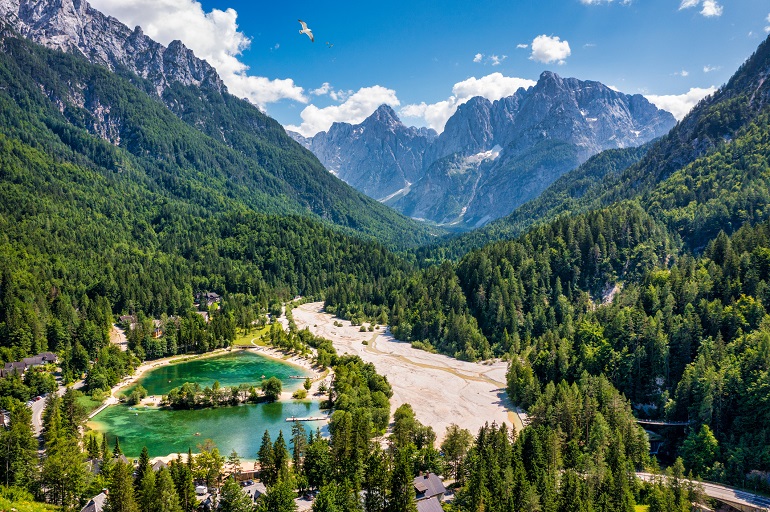
Triglav National Park, Slovenia's only national park, is located in the northwestern part of the country, encompassing most of the eastern Julian Alps. Established in its modern form in 1981, the park covers approximately 840 square kilometres, representing about 4% of Slovenia's total land mass. At the heart of the park stands Mount Triglav, Slovenia's highest peak at 2,864 metres, from which valleys radiate outwards. The park features diverse landscapes including crystal-clear rivers, glacier-carved valleys, alpine lakes, high-altitude pastures, and hidden gorges such as Vintgar, Mlinarica, and Mostnica. Two major river systems, the Soča and the Sava, have their sources in the Julian Alps, flowing to the Adriatic and Black Sea respectively. The park is home to exceptional flora and fauna, including rare and protected plants and animals such as ibex, wolves, and bears. Notable attractions include Lake Bohinj (Slovenia's largest permanent natural lake), the Triglav Lakes, and spectacular waterfalls like Boka Falls.
Geography and Landscape
Covering approximately 840 square kilometres, Triglav National Park is one of the oldest parks in Europe and features a diverse and dramatic landscape shaped over millions of years by geological and glacial forces.
Mountains and Peaks
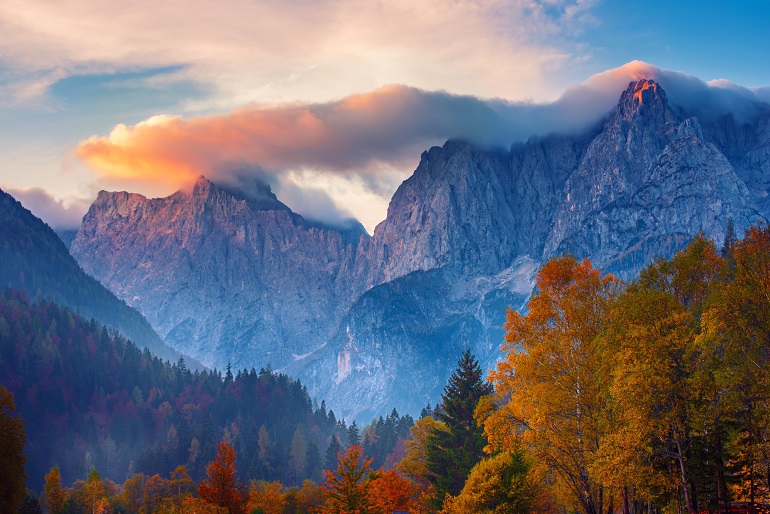
At the heart of the park lies Mount Triglav, the highest peak in Slovenia and a national symbol. Standing at 2,864 metres, it dominates the landscape with its sharp ridges and steep walls. The Julian Alps, which form the backbone of the park, display a rugged karst terrain composed mainly of limestone. This results in dramatic formations such as serrated ridges, towering cliffs, and deep ravines. The mountains are also home to numerous caves, sinkholes, and other karst phenomena.
Glacial Valleys and Lakes
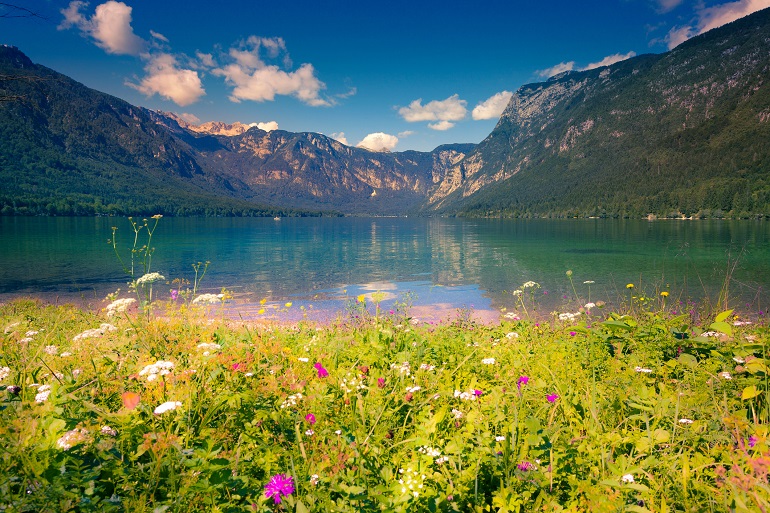
The park's valleys were carved by glaciers during the last Ice Age, creating wide basins and hanging valleys. These glacial processes have left behind a series of stunning alpine lakes. Among them is Lake Bohinj, the largest natural lake in Slovenia, as well as Triglav Lake and Lake Krn. These lakes are known for their crystal-clear waters that reflect the surrounding peaks.
Rivers and Waterfalls
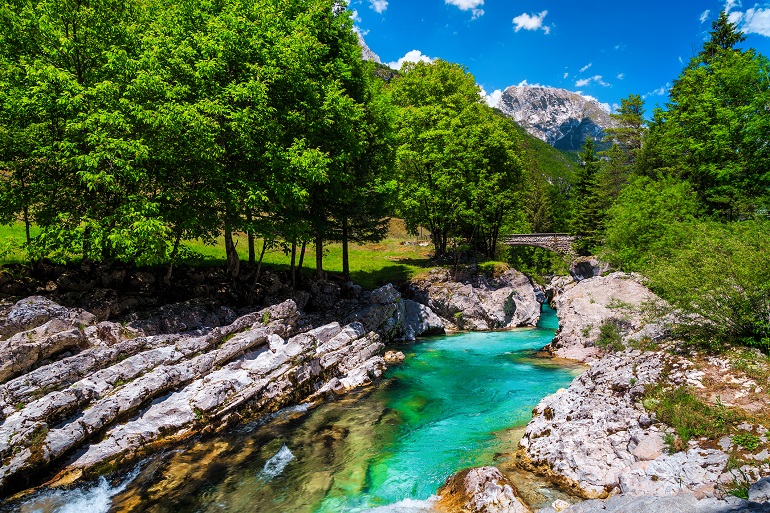
Triglav National Park is the source of two major river systems: the Soča River, with its striking emerald-green waters flowing towards the Adriatic Sea, and the Sava River, which drains into the Black Sea. These rivers are fed by glacial meltwater and underground springs. The park also boasts numerous waterfalls, including Boka Falls, Slovenia’s tallest at 106 metres, as well as Savica and Peričnik waterfalls.
Karst Features
The park’s limestone geology has given rise to significant karst formations. At higher elevations where vegetation is sparse, features such as rock arches, potholes, and snow kettles are prominent. Water seeps into fissures in the rock, creating an underground labyrinth of caves and springs. This interplay between surface water and subterranean systems adds to the park's unique character.
Plateaus and Meadows
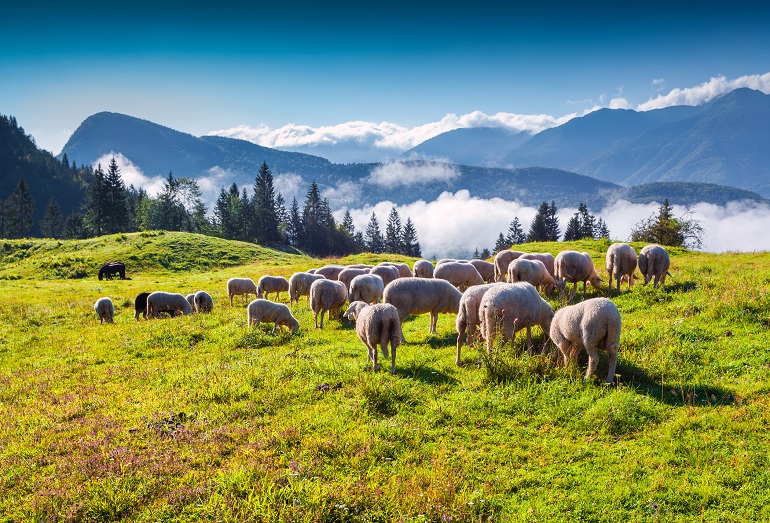
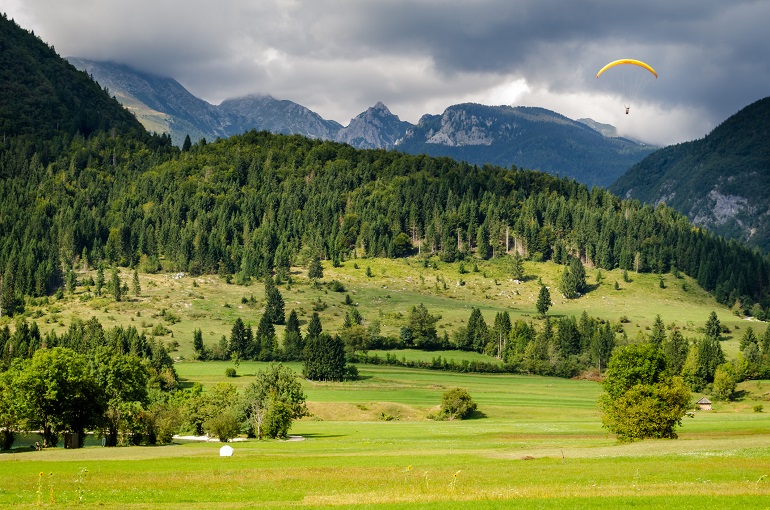
In addition to its rugged peaks, Triglav National Park encompasses highland plateaus dotted with meadows and peat bogs. These areas provide a contrast to the steep alpine terrain and offer expansive views of rolling hills framed by majestic mountains.
Geological History
The landscape of Triglav National Park is an open book of geological history dating back over 200 million years. Formed from ancient marine sediments deposited along an equatorial sea floor, these rocks were later uplifted during tectonic collisions between the African and Eurasian plates. Erosion has since sculpted this terrain into its current form, with evidence of its dynamic past visible throughout.
Flora and Fauna
Triglav National Park boasts remarkable biodiversity, with unique ecosystems ranging from lush forests to alpine meadows and scree slopes. Here is an overview of its flora and fauna for travellers seeking to explore its natural wonders.
Flora
The park is home to over 1,600 plant species, including 19 endemic varieties. Its vegetation changes with altitude, creating distinct habitats:
- Forests: Two-thirds of the park is forested, with beech, spruce, and larch dominating the landscape. Lower altitudes feature deciduous trees like oak and beech, while conifers such as spruce and larch thrive at higher elevations.
- Alpine Meadows: These meadows burst into colour during spring and summer with species like edelweiss, gentians, alpine snowbells, and the endemic Zois’ bellflower (Campanula zoysii). Other notable plants include the Triglav rose (Potentilla nitida), King of the Alps (Eritrichium nanum), and Lady’s Slipper Orchid (Cypripedium calceolus).
- Scree Slopes and Rock Crevices: Harsh conditions here support resilient species like the Clusius’ gentian (Gentiana clusii) and Black Vanilla Orchid.
- Peat Bogs: These unique ecosystems host specialised flora adapted to waterlogged conditions.
The park’s flora also includes medicinal plants and rare species protected due to historical overharvesting, such as edelweiss.
Fauna
Triglav National Park supports a wide array of wildlife, including mammals, birds, and insects. Its protected status allows many species to thrive:
Mammals
- Large Carnivores: The European brown bear, Eurasian lynx, and grey wolf inhabit the park but are rarely seen.
- Hoofed Animals: Red deer, roe deer, Alpine ibex, and chamois are commonly spotted in the forests and alpine meadows.
- Small Mammals: Alpine marmots and mountain hares are frequent sightings in higher altitudes.
Birds
The park is a paradise for birdwatchers:
- Raptors: Golden eagles, peregrine falcons, and Eurasian goshawks are among the notable birds of prey.
- Forest Birds: Species include black woodpeckers, hazel grouse, and Western capercaillie.
- Alpine Birds: Rock ptarmigans, Alpine accentors, and snow finches thrive at higher elevations.
Insects
Butterflies like the Apollo (Parnassius apollo) add vibrancy to the meadows during summer months.
Unique Features
Triglav National Park’s biodiversity reflects its varied landscapes:
- Its forests provide clean air as indicated by bushy lichens.
- The park is home to rare species such as marble trout in its pristine waters.
- Seasonal changes bring dynamic shifts in flora and fauna activity.
Activities and Attractions
Hiking Trails
The park boasts an extensive network of trails that showcase its spectacular landscapes, from emerald rivers to alpine lakes and towering peaks.
The Soča Trail
This captivating one-way trail begins at the Source of the Soča River (Izvir Soce) and ends in Bovec, spanning approximately 25 kilometres, though trekkers may cover closer to 32 kilometres when including detours to points of interest. The path leads past stunning turquoise waters, gorges, waterfalls, and spectacular viewpoints.
With an elevation gain of around 366 metres and a loss of about 1,341 metres, the trail requires a moderate level of fitness. Most hikers complete it in one day (approximately 10 hours), but it can be extended to two days for a more leisurely pace. The trail is accessible year-round, but late spring to early autumn offers the most favourable conditions.
Seven Lakes Valley Hike
This renowned 16-kilometre trek takes 6-9 hours to complete, making it a full-day adventure. Starting from Blato mountain pasture, the trail has an elevation gain of 850 metres and leads through forests to several high alpine pastures. Along the way, hikers encounter mountain huts offering refreshments, with the second hut by the magnificent Double Lake often serving as the day's destination.
Accessible from April to October, this hike requires a solid fitness level but isn't particularly steep or technical. Essential gear includes comfortable sports clothes, snacks, trekking poles, and sports shoes with good grip.
Juliana Hiking Trail
Unlike trails that aim for the peaks, the Juliana Trail circumnavigates the Julian Alps and Triglav National Park along the foothills and valleys. This long-distance trail spans 270 km (plus an additional 60 km for extra stages to Brda) and is divided into 16+4 stages, each averaging 18-25 km and taking about 4-5 hours to complete.
With a total elevation gain and loss of 10,000 metres, this trail is challenging but more about endurance than technical skill. It traverses diverse landscapes, from forests and mountain passes to urban areas, offering a comprehensive experience of the region's natural and cultural heritage.
Triglav Summit Hike (Krma Valley Trail)
This 11-kilometre one-way trail is the most popular hiking route in the park. The Krma Valley Trail is relatively straightforward, with 90% being fairly easy and no technical sections. It starts in Mojstrana, leads through the picturesque Krma Valley, and then ascends steeply toward the summit.
While it's possible to complete this hike in a single day if you're in top physical condition, most hikers opt for a two-day journey, staying overnight in mountain huts along the way. The summit rewards with spectacular views—on clear days, you can see all the way to the Adriatic Sea.
Vintgar Gorge
This shorter, easy trail takes you through a picturesque canyon with stunning waterfalls and crystal-clear pools. The well-maintained 3.3-kilometre path is perfect for families with children or those seeking a less strenuous hike. The wooden boardwalks alongside the turquoise-blue waters of the Radovna River create a magical experience that's accessible to most visitors.
Mostnica Gorge Trail
This 8-kilometre out-and-back trail takes visitors through the picturesque Mostnica Gorge. Starting at the Voje Valley, the path goes through a forest and gently descends towards the Mostnica River, following it upstream through the narrow gorge. The trail features several waterfalls and pools, making it a photographer's delight. After passing through the gorge, hikers reach the Voje Mountain Hut, an ideal spot for a rest before either continuing to the Voje Mountain Pasture or returning the same way.
Water Activities
The park's pristine waters offer numerous opportunities for adventure and recreation.
Rafting and Kayaking
The Soča River, with its striking emerald colour, is perfect for rafting and kayaking adventures. The river's varying intensities cater to different skill levels, from beginners to experienced paddlers. The crystal-clear waters also allow glimpses of the famous Soča trout swimming below.
Canyoning
For a greater adrenaline rush, canyoning allows visitors to experience the full power of water and nature. Activities include sliding down natural water slides, jumping from rocks, and abseiling down waterfalls in small guided groups.
Swimming
The park's lakes and rivers offer refreshing swimming spots during the warmer months. Lake Bohinj, Slovenia's largest natural lake, is particularly popular for swimming and other water activities.
Other Outdoor Activities
Rock Climbing
The park features eight natural climbing areas of various difficulties. Notable spots include the Trenta Valley wall with 27 routes suitable for beginners and experienced climbers, the Radovna Valley with 15 climbing routes, and Peč near Lake Bohinj with 56 routes for amateurs and professionals alike.
Cycling
The mountainous terrain of Triglav National Park is excellent for various cycling disciplines. Popular cycling areas include Tolmin, Bovec, Kranjska Gora, and Bohinj. For trained cyclists, the route from Vršič Pass to the Mangart mountain pass offers a challenging 110-kilometre climb, while more relaxed cycling can be enjoyed through the valleys.
Winter Sports
When snow blankets the park, it transforms into a winter sports paradise. A notable attraction is the 52-kilometre toeski route from Kranjska Gora to Tolmin, divided into four sections with options for both easy and difficult routes.
Must-See Attractions
Lake Bohinj
Often considered even more beautiful than the more famous Lake Bled, Bohinjsko jezero (Lake Bohinj) offers mirror-like waters surrounded by mountains that create a sense of peaceful seclusion.
Soča Valley
The Soča River is one of the park's highlights, with waters so brilliantly blue that it's been named one of Europe's most beautiful rivers. Whether you're walking alongside it, rafting on it, or simply admiring the view, the river's extraordinary colour creates an unforgettable spectacle.
Waterfalls
The park boasts several impressive waterfalls:
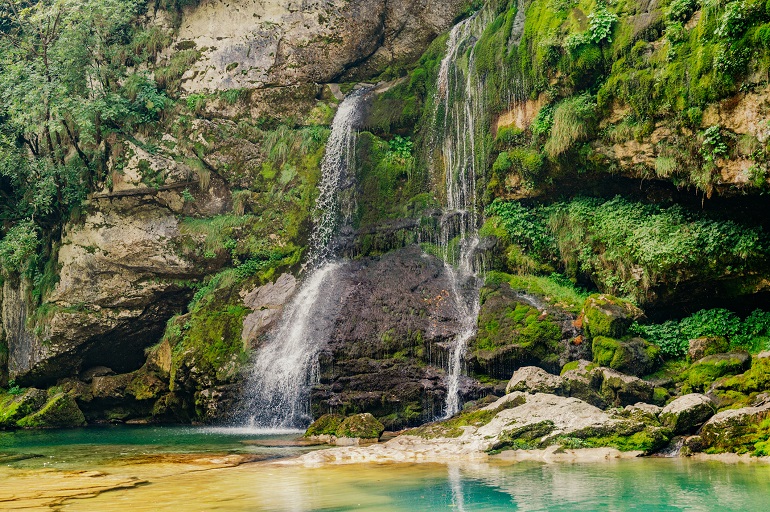
- Savica Waterfall near Lake Bohinj, which flows down a rock wall into a pretty pool
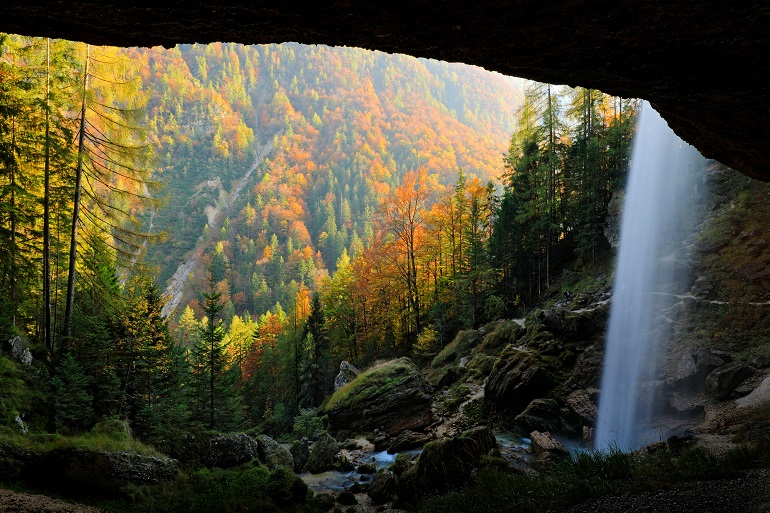
- Peričnik Waterfall in the northern part of the park, where visitors can hike behind the upper cascade
- Kozjak Waterfall, a tall column waterfall that falls into a turquoise pool in a small canyon
Tolmin Gorge
Home to the "Devil's Bridge," Tolmin Gorge features a dramatic crossing suspended between two mountain walls, offering visitors the thrilling experience of hanging in mid-air above a deep drop, surrounded by lush green vegetation on the rocky walls.
Accommodation
Types of Accommodation
Hotels and Guesthouses
For those seeking comfort and modern amenities, towns near the park, such as Kranjska Gora and Bovec, offer a variety of hotels and cosy guesthouses. These establishments provide a comfortable base for exploring the park and often feature on-site restaurants, wellness facilities, and stunning mountain views.
Camping and Glamping
Nature enthusiasts can immerse themselves in the park's beauty by staying at one of the official campsites. These sites offer pitches for tents, caravans, and motorhomes, complete with necessary facilities. For a touch of luxury in the wilderness, glamping options are also available, combining the outdoor experience with added comfort.
Mountain Huts and Lodges
For an authentic alpine experience, visitors can stay in traditional mountain huts scattered throughout the park. These rustic accommodations provide direct access to hiking trails and panoramic views of the Julian Alps. While facilities are basic, the experience of staying in these huts is unparalleled for outdoor enthusiasts.
Private Accommodation
Many locals offer rooms and apartments for rent, providing a more personal and often budget-friendly option. These accommodations can range from simple rooms to fully equipped flats, often with the added benefit of local knowledge from the hosts.
Booking and Considerations
It's advisable to book accommodation well in advance, especially during the peak summer season from July to September. Many establishments operate seasonally, with some mountain huts and campsites closing during the winter months.
Visitors should be aware that wild camping is strictly prohibited within the park to preserve its unique environment. Fines can be substantial for those caught camping outside designated areas.
When choosing accommodation, consider its proximity to the areas of the park you wish to explore. Some lodgings offer excellent starting points for popular hiking trails or provide easy access to attractions within the park.
Gastronomy
The park's gastronomy reflects the region's alpine environment, rich agricultural heritage, and commitment to sustainability. Visitors can expect a harmonious blend of hearty mountain fare and refined dishes crafted from locally sourced ingredients.
Local Ingredients and Traditional Dishes
The cuisine of Triglav National Park is heavily influenced by the surrounding landscape. Ingredients such as potatoes, cabbage, turnips, trout from pristine lakes and rivers, game meats like venison and chamois, and dairy products from small-scale local farms are staples. These ingredients are often transformed into traditional dishes that have been passed down through generations.
- Stews and Soups: Hearty stews like jota (made with beans, potatoes, and sauerkraut or turnips) and ričet (a barley-based stew with vegetables and sometimes meat) are popular choices after a day of hiking.
- Žganci: A rustic dish made from buckwheat flour, often served with cracklings or paired with sour milk or stews.
- Štruklji: Rolled dumplings filled with a variety of ingredients, ranging from cottage cheese to walnuts or tarragon.
- Močnik: A porridge-like dish made from different types of flour, offering warmth and nourishment during colder months.
Sustainable Practices
Sustainability is at the heart of the park's gastronomy. Many establishments source their ingredients locally to support small-scale farmers and reduce environmental impact. Seasonal vegetables, honey, cheeses, butter, and cured meats are crafted using traditional methods that honour the region's heritage.
Culinary Influences
While the focus remains on Slovenian traditions, there is also a subtle influence from neighbouring cuisines such as Italian and Austrian. This is evident in dishes like ravioli or goulash, which occasionally appear alongside more traditional fare.
Seasonal Specialities
The culinary offerings change with the seasons. In summer, lighter dishes featuring fresh vegetables are common, while winter menus often include robust meals designed to provide energy for outdoor activities. Wild mushrooms, berries, and herbs gathered from the surrounding forests also make seasonal appearances in various recipes.
Beverages
To complement the food, visitors can enjoy local wines from Slovenia’s renowned wine regions or sample herbal teas made from alpine plants. For something stronger, try schnapps flavoured with fruits or herbs.
Getting There and Around
Getting to Triglav National Park
From Ljubljana
Ljubljana, Slovenia's capital, is an excellent starting point for your journey to Triglav National Park, located about 50-80 miles (80-128 km) away.
- By Car: The fastest and most convenient option, taking approximately 1 hour to Kranjska Gora (northern entrance) or 2 hours to Bovec (southwestern entrance). Follow highway E61 northward, which passes by Lake Bled.
- By Bus: Regular buses depart from Ljubljana to Kranjska Gora (2 hours) and Bohinj (2 hours), costing around €6-18. Buses to Bovec are more limited, with only two daily departures on weekdays and one on weekends, taking about 4 hours.
- By Train: Take a train from Ljubljana to the Lesce-Bled railway station, then connect with a local bus to the park.
From Lake Bled
Lake Bled serves as a convenient gateway to the park:
- By Bus: Direct buses run from Mlino (Lake Bled) to Ribčev Laz in just 32 minutes, with five daily departures.
- By Car: A short 27-minute drive (26.2 km) from Bled to the Info Center Bohinj.
- By Taxi: Takes approximately 27 minutes and costs €45-55.
From Villach, Austria
For international travellers coming from Austria:
- By Car: The quickest route is from Villach to Kranjska Gora, taking just 30 minutes. Follow road B3 southward across the border.
- By Public Transport: Take a train to Jesenice in Slovenia, then connect with a bus to Kranjska Gora, totalling about 1.5 hours.
From Maribor
From Slovenia's second-largest city:
- By Car: Follow highway E57 west to Ljubljana, then transition to E61 north, taking approximately 2.5 hours.
- By Bus: Connect in Ljubljana, with a total journey time of about 4 hours to Kranjska Gora.
Getting Around the Park
Public Transport Within the Park
- Summer Transit System: Lake Bohinj offers a free summer transit system (late June/early July through late September) with several useful bus lines for hikers.
- Hop-on-Hop-off Bus: During summer (28 June to 31 August), a hop-on-hop-off bus operates from Bohinj to various points in the park, costing €5 for adults (children under 10 travel free).
- Seasonal Routes: During summer months, buses run from Kranjska Gora over the Vršič pass to Bovec in the western part of the park.
By Car
A car offers the most flexibility for exploring the park:
- Vršič Pass Route: From Kranjska Gora, head south on Route 206 along the Pišnica River, passing Lake Jasna to enter the park via the spectacular Vršič Pass with its 50 hairpin bends (24 up, 26 down).
- Scenic Loop Drive: From Bohinj or Bled, there's a superb loop drive through the park that passes many major attractions, including the highest mountain pass in Slovenia.
Hiking
Many visitors explore the park on foot:
- From Stara Fužina: Start at the supermarket and head north until you reach a bend in the road, then turn left uphill to reach Parkirišče Stara Fužina car park, which has toilet facilities.
- Martuljek Waterfalls: From Gozd Martuljek (accessible by bus), follow the marked path through the forest to reach the Lower Martuljek waterfall (30 minutes) and Upper Martuljek waterfall (additional hour).
Tips for Travellers
- Public transport is cheap and sometimes free, but often infrequent and busy, especially in peak season, so plan ahead.
- Consider staying near the start of hiking trails the night before to make travel easier.
- For hikers, the Bohinjsko Jezero to Vogar-Blato bus is particularly useful as it connects to the Planina Blato trailhead, starting point for the Seven Lakes Valley hike.
- At Mostnica Gorge, you can pay €3 to visit and see the waterfall.
- Parking fees apply at some locations, such as Koča pri Savici hut (€4 for 3 hours).
Best Time to Visit
Seasonal Recommendations
Summer (Late June to Early September)
Summer is ideal for most visitors, particularly if you're planning:
- Hut-to-hut hiking: Mountain huts are open from late June through early September
- Summit expeditions: July, August and September are recommended for climbing Mount Triglav
- Public transport: Summer buses operate from late June until early September, making this period optimal for visitors without cars
- Swimming opportunities: July and August provide more chances for refreshing swims in the park's beautiful rivers and lakes
Shoulder Seasons
For those seeking fewer crowds whilst still enjoying comfortable conditions:
- Late spring (May to early June): Nature is in bloom and temperatures are pleasant, though some hiking options may be limited due to lingering snow
- Early autumn (September to October): Offers stable weather, pleasant temperatures and magnificent mountain views adorned with autumn colours
Winter
Winter visits are possible but require mountaineering experience as snowstorms and ice are common. This season is suitable for skiing and other snow sports.
Activity-Specific Timing
- Casual day hiking and popular attractions: From May/June until October
- Lowland tours and undemanding hikes: Suitable throughout the year
- Gorge visits (e.g., Vintgar Gorge): Open from mid-April/early May through early October
- High-altitude demanding hikes: Summer is most suitable when snow has melted, days are long, and temperatures are bearable
If you're particularly keen to avoid crowds, September is often highlighted as a perfect month, offering plenty of daylight for long-distance trails, warm weather, and fewer tourists as children return to school.
For visitors without a car, establishing a good base in Lake Bohinj, Kranjska Gora, Bovec or Bled is recommended, with free bus systems operating in Lake Bohinj during the summer months.
Conservation and Responsible Tourism
Triglav National Park is a shining example of conservation efforts and responsible tourism practices in the heart of the Julian Alps. The park's management prioritises the preservation of ecosystems, natural processes, and biodiversity whilst promoting sustainable visitor experiences.
Conservation Initiatives
Wildlife and Habitat Protection
The park has established 19 quiet areas to safeguard sensitive species such as the wild cockerel and white-tailed ptarmigan. These zones limit human activity, with some areas restricting access entirely and others directing visitors to marked paths. Additionally, the park has undertaken efforts to restore and protect active raised bogs, which are crucial ecosystems within the park.
Ecosystem Restoration
Ongoing projects include the restoration of shallow water basins, which serve as vital habitats for amphibians and watering holes for livestock. The park is also working to remove non-native fish from the Double Lake to improve its ecosystem health and combat algal blooms.
Responsible Tourism Practices
Sustainable Mobility
Triglav National Park encourages visitors to use sustainable transport options. The park has implemented measures such as closing certain forest roads to motor traffic and cyclists, and erecting speed displays to reduce noise pollution. Visitors are encouraged to explore the park through eco-friendly means, such as hiking along the Soča River or exploring the Trenta Valley on foot.
Green Accommodation
The park promotes eco-friendly accommodations that offer sustainable comfort and authentic experiences. Options include organic vacation farms and mountain huts that use renewable energy sources and locally-produced organic food.
Visitor Education
Educational initiatives, such as the visitors' path around a peat bog area in Goreljek, aim to raise awareness about the park's natural values. The park also provides information signs to guide visitors on responsible behaviour within the protected areas.
Sustainable Tourism Initiatives
Plastic-Free and Circular Economy
Triglav National Park, in collaboration with local municipalities, has developed an ambitious action plan to ban single-use plastics from the region. This initiative aims to transform the area into a model for plastic-free and circular tourism practices.
Green Certification
In 2017, Triglav National Park received the Slovenia Green award, joining the Green Scheme of Slovenian tourism. This scheme promotes sustainable tourism development across environmental, social, and economic pillars.
Bohinj Card
The Julian Alps Bohinj Card encourages sustainable travel by offering free or discounted access to public transport and attractions throughout the region, helping to reduce motor traffic and promote environmentally friendly tourism.
By implementing these conservation measures and responsible tourism practices, Triglav National Park strives to protect its natural and cultural heritage whilst providing visitors with meaningful, sustainable experiences in one of Europe's most enchanting destinations.
Visitor Centres and Educational Facilities
Visitor Centres
- TNP Info Centre Dom Trenta
- Located in the Trenta Valley, this centre provides a multi-vision presentation of the park, exhibitions on its biodiversity, and insights into the cultural landscape. It is an excellent starting point for exploring the park, offering maps, guides, and a small gift shop.
- Bohinj Triglav National Park Information and Education Centre
- Situated in Stara Fužina, this centre features the permanent exhibition The Lake, a leisure room with stunning views of Lake Bohinj, and various workshops. Highlights include:
-
- Traditional cooking classes.
- Craft workshops like embroidery and knitting.
- Guided tours exploring the mysterious world of Lake Bohinj.
- Slovene Alpine Museum
- Located in Mojstrana, this museum focuses on the history of mountaineering in Slovenia. It serves as an educational hub for learning about alpine culture and traditions.
- Infocenter Triglav
- Found in Bled, this centre provides essential information for visitors planning hikes or exploring the park. It also hosts introductory presentations about Triglav's natural wonders.
- Vintgar Visitor Centre
- Opened in 2024 near Vintgar Gorge, this modern facility blends traditional Alpine architecture with eco-friendly design. It includes an information point, a souvenir shop featuring local crafts, and a snack bar serving regional specialities.
Educational Facilities and Programmes
- Triglav Treasury
- This free online platform offers over 400 interactive articles covering themes like biodiversity, geology, and cultural heritage. It is ideal for preparing educational materials or learning about the park from home.
- Community of Schools of the Julian Alps Biosphere Area
- This initiative connects 39 primary schools with the park's management to foster environmental awareness among over 7,000 pupils. Activities include workshops, camps, natural history days, and interactive tools like maps and whiteboards.
- Junior Ranger Programme
- Aimed at children and young people, this programme combines fun outdoor activities with lessons on conservation. Participants explore ecosystems like forests and learn about wildlife such as wolves and lynxes through hands-on experiences.
- Educational Workshops
- Tailored for schools, these workshops are conducted both indoors (in centres at Bled, Bohinj, and Trenta) and outdoors in the park. Topics include biodiversity, cultural heritage, and sustainable living practices.
- Mountain Cuisine Workshops
- Visitors can learn to prepare traditional dishes such as jota (bean stew) or žganci (buckwheat spoonbread) under the guidance of local chefs at the Bohinj Centre.