
Archetype0ne
Regular Member
- Messages
- 1,777
- Reaction score
- 693
- Points
- 113
- Ethnic group
- Albanian
- Y-DNA haplogroup
- L283>Y21878>Y197198
On initial point i do agree, R1b-Z2103 might even be the mediator of all Indo-European languages, since it's formation and TMRCA goes in line with linguistic thinking of Proto Indo-European which hypothetically formed during 3500 B.C to 2500 B.C, to add the archaeogenetic evidence to this so far.
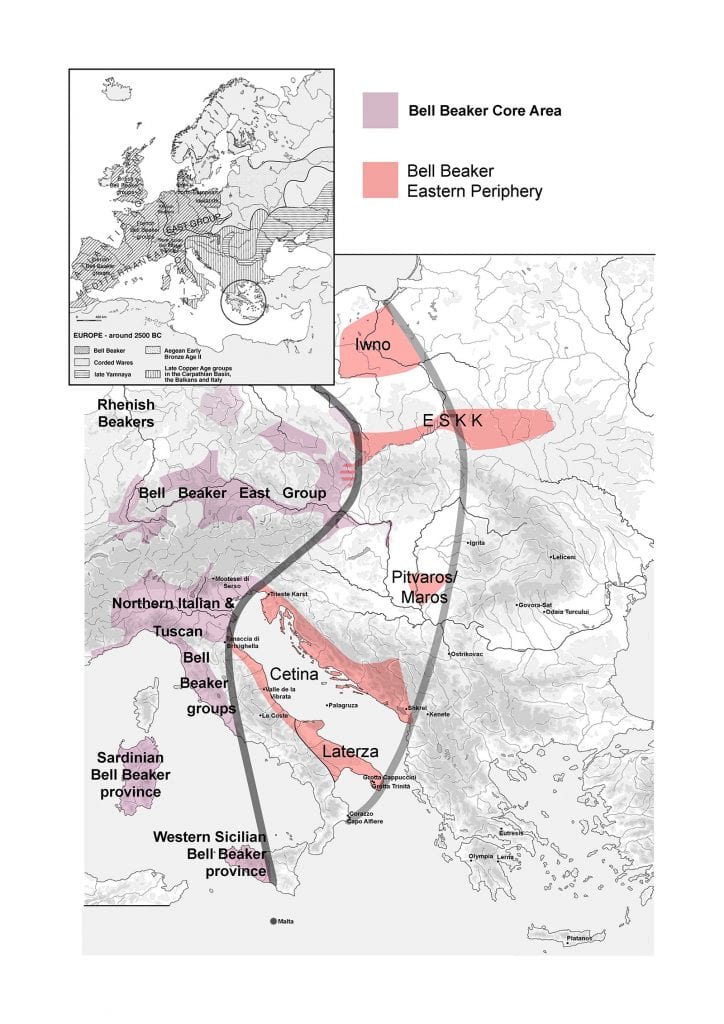
If that's true then yes, because otherwise i see people classifying Illyrian as Bell-Beaker derived and Thracian as CWC derived either from Nitra/Kostany or Noua-Sabatinovska-Coslogeni.
Otherwise within Balkanic IE so far we probably have: Greco-Armenian, Phrygian, Messapian and Albanoid?. The last one is still disputed especially by linguists like John Basset Trumper who essentially believes Albanian came from somewhere from Southern Central Europe somewhere during Iron Age.
Or, we might perhaps agree that R1b-Z2103 was initially who brought Thraco-Illyrian before they split in their adequate separate cultures/separate influences in Early Bronze Age and Albanoid is like a relic split from both of them in the middle, probably a Central Balkan language. Who knows.
Thinking about it, its highly likely Thracians will have a good amount of Z2103. One of my pet peeves, what made me antipathic to the 80% of Thracian samples will be E-V13 from earlier debates. I think we are paying to little attention to R1b in general, and how important it was for IE in the Balkans, Thracians, Illyrians and what have you.