


| Contents |
|---|

Introduction
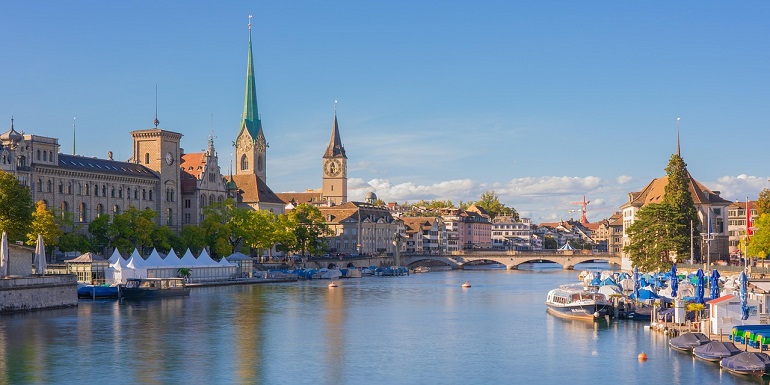
Zurich (pop. 443,000; urban 1.45 million; metro 2.1 million), Switzerland's largest city, is situated at the northwestern tip of Lake Zurich with the Swiss Alps visible on the horizon. With more than 30% being international residents, the city serves as Switzerland's primary financial and cultural hub. The city stretches between two forested chains of hills and is traversed by the Limmat and Sihl rivers, while the Albis mountains and Zürichberg form its natural boundaries. Beyond its reputation as a financial center, Zurich offers a rich cultural landscape with over 50 museums, 100 art galleries, numerous theaters, and a vibrant arts scene, all while maintaining its historic character through well-preserved medieval streets in the Old Town.
Interesting Facts about Zurich
- Zurich is Switzerland’s largest city and a global financial centre home to major banks like UBS and Credit Suisse.
- The historic Old Town (Altstadt) and Romanesque Grossmünster church anchor over 2,000 years of urban history.
- Bahnhofstrasse in central Zurich ranks among the world’s most exclusive shopping avenues.
- Zurich blends lake and Alps scenery with efficient public transport and a famously high quality of life.
- The city hosts over 50 museums and 100 galleries, with Kunsthaus Zürich among Europe’s notable art collections.
- Cabaret Voltaire in Zurich is known as the birthplace of the Dada art movement.
- Zurich’s metro area population is about 1.455 million in 2025, continuing steady annual growth.
- Swiss Standard German is the formal written language, while the local dialect Züritüütsch is widely spoken.
- Lake Zurich’s promenades and the Lindenhof hill offer beloved waterside and skyline viewpoints.
- Zurich’s Bahnhof and airport are the busiest rail and air hubs in Switzerland, underscoring its transport role.
- The city is renowned for Swiss chocolate and dishes like Zürcher Geschnetzeltes.
- Zurich often tops global liveability rankings thanks to safety, cleanliness, and social support.
- The annual Street Parade is one of Europe’s largest techno parties, drawing vast crowds to the lakefront.
- St Peter’s Church in Zurich is famed for having one of Europe’s largest clock faces.
- Zurich’s cultural calendar features the Zurich Film Festival and world-class opera performances.
- The Uetliberg mountain provides panoramic views of the city and the surrounding Alps, making it a must-visit for nature lovers.
History
Zurich's remarkable history stretches back over 5,000 years, beginning with prehistoric settlers who established pile dwellings along the shores of Lake Zurich. The Celtic Helvetii founded the first significant community on the right bank of the Limmat River, but it was the Romans who truly shaped the city's early development. In 57-58 BCE, Roman forces conquered the region and established Turicum, a vital customs station where travellers and goods were processed before crossing into the province of Raetia. Under Roman rule, Zurich grew into a small army stronghold with an adjacent vicus (Roman village), and evidence of this Roman heritage survives today through archaeological findings, including the grave inscription of Urbicus, son of a local customs superintendent, discovered on the Lindenhof in 1747. In the 4th century, the Romans constructed a castle on the Lindenhof, which remained standing until the Early Middle Ages and served as the focal point around which the settlement expanded.
During the Early Middle Ages, Zurich's significance continued to grow under Frankish rule. Following the collapse of Rome, the community fell first to the Alemanni, a Germanic people, and later to the Franks, who made it a royal residence. A pivotal moment came in 853 CE when Louis the German, Charlemagne's grandson, founded the Fraumünster abbey for his daughter Hildegard, granting the Benedictine convent extensive lands including Zurich, Uri, and the Albis forest. This religious institution would dominate the city for centuries, with the abbess effectively ruling Zurich after King Henry III granted the convent rights to hold markets, collect tolls, and mint coins in 1045. The legendary discovery of the tombs of patron saints Felix and Regula by Charlemagne in the 8th century led to the founding of the Grossmünster church, making Zurich an important pilgrimage destination. The city flourished as a market town during the 11th and 12th centuries, with trade connections extending from northern Italy to Holland, and the introduction of the silk trade from Italy further boosted its prosperity.
Zurich's transformation into a major political and economic power began in 1218 when it became a free imperial city following the extinction of the Zähringer family, gaining the right to govern itself while remaining under imperial authority. The city underwent a democratic revolution in 1336 when Zurich's craftsmen staged an uprising that established the guild system as the foundation of political power, weakening the influence of both the church and landed gentry—a system that endures today in the famous Sechseläuten procession. Zurich joined the Swiss Confederation as its fifth member in 1351, though this didn't prevent territorial conflicts, including the Old Zurich War (1436-1450) which saw the city temporarily expelled from the confederation before being readmitted. The Protestant Reformation began in Zurich in 1519 when Huldrych Zwingli started preaching at the Grossmünster, transforming the city into an industrious Puritan centre and establishing it as the cradle of the Reformed Church. During the Counter-Reformation, Zurich provided asylum to religious refugees from northern Italy and France, further stimulating cultural and economic growth, whilst Napoleon's occupation in 1798 ended the old political order and led to Zurich's reorganisation under the Helvetic Republic.
Main Attractions
Historic Churches and Religious Sites
Grossmünster
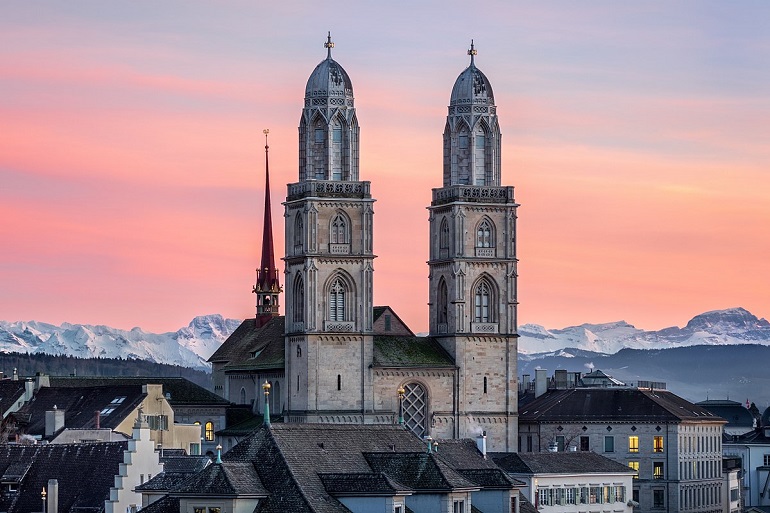
The Grossmünster stands as Zurich's most iconic landmark, its distinctive twin towers dominating the city skyline and serving as a symbol of both architectural achievement and religious reformation. This magnificent Romanesque cathedral, constructed between the 11th and 13th centuries, holds profound historical significance as the epicentre of the Swiss Reformation, where the influential theologian Huldrych Zwingli delivered his transformative sermons in the 16th century. The church's imposing stone façade and soaring spires create a dramatic silhouette against the sky, whilst the interior reveals a masterpiece of medieval craftsmanship with its ribbed vaulting, massive stone columns, and remarkable acoustics that have made it a favoured venue for classical concerts. Visitors can climb the narrow spiral staircase of the south tower, ascending 187 steps to reach the observation platform, where they are rewarded with unparalleled views across Zurich's red-tiled rooftops, the meandering Limmat River, and the distant Alps. The church houses a fascinating crypt museum that displays Roman foundations and medieval artifacts discovered during restoration work, providing insight into nearly two millennia of continuous worship on this sacred site. Open daily from 10am to 6pm (12-6pm on Sundays), the Grossmünster welcomes visitors of all faiths to explore its rich heritage and spiritual significance.
Fraumünster Church
Distinguished by its elegant copper-green spire that gracefully pierces the Zurich skyline, the Fraumünster Church represents one of the city's most artistically significant religious monuments. Founded in 853 AD as a Benedictine abbey for aristocratic women, this Protestant church has evolved over the centuries into a masterpiece of architectural and artistic collaboration. The church's most famous treasures are the five stunning stained glass windows created by renowned artist Marc Chagall in 1970, which flood the interior with ethereal blue, red, and yellow light, depicting biblical scenes with the artist's characteristic dreamlike style. These windows, considered among Chagall's finest religious works, transform the church into a luminous sanctuary where art and spirituality converge in breathtaking harmony. The church also features three additional windows by Swiss artist Augusto Giacometti, adding to its reputation as a gallery of ecclesiastical art. Visitors can explore the 12th-century crypt, which houses a small museum displaying medieval frescoes and archaeological finds. The Fraumünster's varying opening hours (10am-6pm most days, with adjusted Sunday hours) allow flexibility for visitors to experience both the artistic masterpieces and the peaceful atmosphere of this centuries-old place of worship.

Wasserkirche
The Wasserkirche, or Water Church, occupies a unique and historically fascinating position on what was once a small island in the Limmat River. This 13th-century Gothic church, now connected to the mainland, stands as a testament to medieval engineering and religious devotion. Legend holds that this is where the city's patron saints Felix and Regula were martyred, making it one of Zurich's most sacred sites. The church's distinctive architecture features a beautiful stone façade and an atmospheric crypt that visitors can explore during limited opening hours (Tuesday, Friday, Saturday, and Sunday, 12-5pm). The building's fascinating history includes periods as a library, a granary, and even a secular meeting hall before returning to religious use. Today, the Wasserkirche serves the Reformed Church community whilst welcoming visitors interested in its unique blend of legend, history, and architectural beauty. The church features an assistive hearing loop for visitors with hearing difficulties.
Architectural and Historical Landmarks
Zürich's Town Hall
Zürich's Town Hall stands majestically on the banks of the Limmat River, representing a masterpiece of late 17th-century civic architecture that continues to serve as the seat of city government. This stately building's impressive façade showcases the wealth and civic pride of historical Zurich, with its symmetrical design, elegant proportions, and decorative stonework creating a sense of institutional gravitas and architectural harmony. The building's riverside location provides spectacular views from its windows and terraces, whilst its positioning allows it to serve as a prominent landmark visible from many points throughout the old city. Whilst the building primarily serves governmental functions, its architectural significance makes it a notable landmark for visitors interested in Swiss civic architecture and urban development.

Opera House
The Opera House (Opernhaus Zürich) presides over Sechseläutenplatz with a graceful neo-classical façade and an intimate, neo-rococo auditorium renowned for superb acoustics and close-up stage views, creating a compelling experience for opera and ballet alike. Opened in 1891 and long associated with a spirit of innovation, it anchors the city’s performing arts scene with seasonal productions, premieres, and concerts by Philharmonia Zürich and Ballett Zürich. Its lakeside setting, elegant square, and relaxed, contemporary approach to audiences make it a welcoming cultural landmark as much for first-time visitors as for seasoned operagoers.

Geiserbrunnen von Brüllmann
The Geiserbrunnen fountain, created by sculptor Jakob Brüllmann in 1911, stands as one of Zurich's most distinctive public artworks, depicting a dramatic scene of a man taming a powerful bull. This impressive fountain serves both practical and artistic purposes, providing a refreshing water feature whilst showcasing early 20th-century sculptural artistry. The fountain's location near the Bürkliplatz makes it a natural gathering point and landmark for visitors exploring the city centre. The sculptural group's dynamic composition and symbolic imagery reflect the artistic sensibilities of its era whilst continuing to captivate contemporary viewers.
Krattenturm
Krattenturm is a remnant of Zurich's medieval fortification system. This historic tower, part of the original city walls, offers a glimpse into the military architecture that once protected Zurich from external threats. Though smaller and less visited than the city's major landmarks, Krattenturm provides history enthusiasts with an authentic piece of medieval Zurich that has survived centuries of urban development.
Panoramic Views and Natural Landmarks
Lindenhof
Perched on a small hill in the heart of Zurich's Old Town, Lindenhof represents one of the city's most historically significant and romantically atmospheric locations. This elevated cobblestone square, once the site of a Roman fort and later a medieval castle, now serves as a tranquil urban oasis offering spectacular views over the Limmat River, the historic Niederdorf quarter, and the twin towers of the Grossmünster. The park is renowned for its massive linden trees that provide welcome shade during summer months, creating a natural canopy over the stone chess tables where locals gather for friendly matches throughout the day. The site holds deep historical significance as the legendary location where Zurich's women allegedly saved the city from siege in 1292 by dressing as soldiers to fool attacking forces. Today, it serves as one of Zurich's most popular gathering spots, where visitors can relax on wooden benches, enjoy impromptu picnics, or simply soak in the atmosphere of centuries past whilst watching the gentle flow of river traffic below. The location welcomes visitors around the clock, making it an ideal spot for morning coffee or evening contemplation.

Observation Tower on Uetliberg (Aussichtsturm Uetliberg)
Standing majestically atop Zurich's local mountain, the Aussichtsturm Uetliberg offers what many consider to be the finest panoramic views in the region. This landmark steel-truss observation tower provides visitors with breathtaking 360-degree vistas encompassing not only the sprawling cityscape of Zurich but also the shimmering expanse of Lake Zurich and the dramatic peaks of the distant Alps. The tower is accessible year-round and welcomes visitors 24 hours a day, making it perfect for sunrise photography or romantic sunset viewing. The journey to reach the summit is part of the experience itself - visitors can take the S-Bahn train to Uetliberg station followed by a pleasant 10-minute walk, or embark on one of several hiking trails that wind through the forested slopes. The facility is wheelchair accessible and includes free street parking, making it accommodating for all visitors. On clear days, the view extends far into the distance, revealing the snow-capped peaks of the Swiss Alps in all their glory, whilst the city below appears as an intricate tapestry of red rooftops, church spires, and modern architecture.
Shopping and Cultural Experiences
Rosenhof-Markt
The Rosenhof-Markt transforms a charming corner of Zurich's Old Town into a vibrant marketplace twice weekly, creating an authentic cultural experience that connects visitors with local artisans and vintage treasures. Operating on Thursdays and Saturdays from March through October, this atmospheric market showcases the creative spirit of Zurich through an eclectic mix of handcrafted items, vintage clothing, antiques, and unique collectibles. The market's location in the historic Rosenhof courtyard provides an intimate setting where vendors display their wares against the backdrop of centuries-old buildings, creating a scene that feels both timeless and contemporary. Visitors can browse stalls filled with handmade jewellery, vintage textiles, artisanal crafts, and carefully curated antiques, each telling its own story of Swiss craftsmanship or historical significance. The market's costume jewellery vendors offer unique accessories that reflect both traditional Swiss design and contemporary fashion trends, whilst vintage clothing stalls provide treasures for fashion enthusiasts seeking one-of-a-kind pieces.
Bahnhofstrasse
The Bahnhofstrasse sweeps from the main station towards the lake in a straight, tram-lined ribbon of prestige, blending luxury flagships, refined department stores, classic cafés, and Swiss watch boutiques with leafy pavements and immaculate façades. Lively by day and atmospheric in the evenings—especially during the festive season—it’s as much a promenade as a shopping street, where window displays, chocolate counters, and bank headquarters share the stage with everyday errands. At its heart, Paradeplatz signals the city’s financial clout, while side streets and arcades add moments of calm, craftsmanship, and discovery.
Zurich-West
Once a gritty quarter of factories and shipworks, Zurich-West has reinvented itself as a contemporary district of design studios, theatres, markets, and nightlife clustered around Hardbrücke. Industrial relics sit confidently beside bold new architecture—think railway viaduct boutiques, a theatre in a former shipbuilding hall, container towers, and the glassy vertical lines of Prime Tower—creating a dynamic, urban aesthetic. From street food gardens and craft bars to galleries and riverside strolls, the area’s creative pulse and after-hours energy make it an essential counterpoint to the historic Altstadt.
Top Museums
Major Art Museums
Kunsthaus Zürich
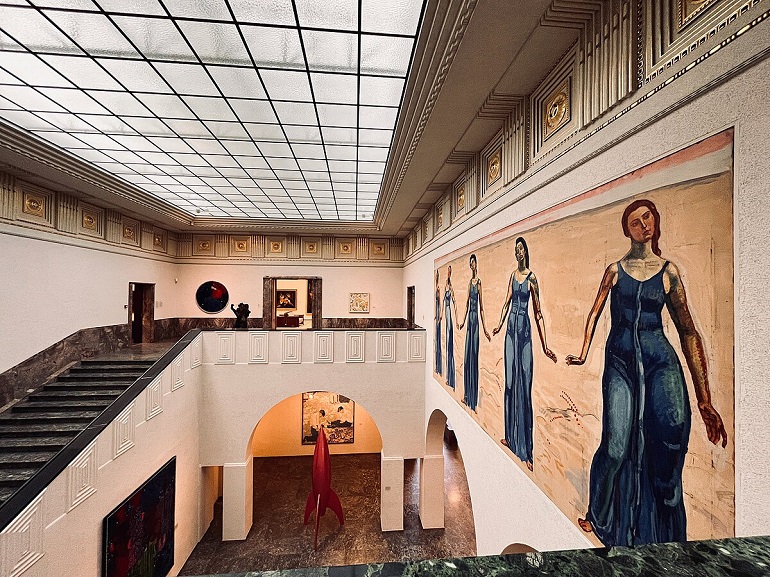
The crown jewel of Zurich's cultural scene, Kunsthaus Zürich has recently become the largest art museum in Switzerland following its major expansion by renowned architect David Chipperfield. The museum houses one of the most important collections of modern art in Europe, with particular strengths in Swiss and international masterpieces spanning from the Middle Ages to contemporary works.
The museum's collection is particularly celebrated for its extensive holdings of works by Alberto and Diego Giacometti, representing one of the world's most comprehensive archives of these influential artists. The Kunsthaus also maintains an exceptional collection documenting the Dada movement, which originated in Zurich during World War I. Visitors can explore works by masters such as Monet, Picasso, Chagall, and Cézanne, alongside significant pieces by Swiss artists who have shaped the country's artistic identity.
The museum's sculpture collection extends from medieval pieces through to cutting-edge contemporary installations, whilst its temporary exhibitions regularly feature internationally acclaimed retrospectives and thematic shows. The architectural dialogue between the historic building and Chipperfield's modern extension creates a compelling journey through different eras of artistic expression.
Museum Rietberg
Set within a stunning 19th-century villa originally built by industrialist Otto Wesendonck, Museum Rietberg houses one of Europe's most significant collections of non-European art. The museum's setting in Rieterpark provides a tranquil environment where visitors can explore artistic traditions from Asia, Africa, the Americas and Oceania.
The collection encompasses sacred and secular objects spanning millennia, including Buddhist sculptures, African masks, Native American textiles, and Islamic calligraphy. The museum's approach emphasises cultural dialogue and understanding, presenting these works not merely as exotic curiosities but as sophisticated expressions of diverse worldviews and artistic traditions.
The architectural highlight is the glass pavilion known as the “Emerald,” a modern underground extension that seamlessly blends with the historical villa and park setting. This innovative design allows for climate-controlled display spaces whilst preserving the villa's original character and the park's natural beauty.

Museum Haus Konstruktiv
Switzerland's leading institution for constructive, concrete and conceptual art, Museum Haus Konstruktiv occupies a unique position in the international art world. The museum showcases works that explore the relationship between art, mathematics, and systematic approaches to creativity.
A particular treasure is the original Rockefeller Dining Room by Swiss artist Fritz Glarner, one of the rare examples of concrete interior design preserved in its original form. Commissioned personally by Nelson A. Rockefeller for his New York apartment, this installation demonstrates how abstract artistic principles can be applied to functional spaces.
The museum regularly hosts exhibitions exploring the legacy and contemporary relevance of movements such as De Stijl, Bauhaus, and Russian Constructivism, making connections between historical avant-garde movements and today's digital and algorithmic art practices.
Migros Museum für Gegenwartskunst
Located in Zurich's vibrant Löwenbräu art district, this institution is dedicated exclusively to contemporary art. The museum's dynamic programme features cutting-edge installations, video art, performance pieces, and experimental works by both established and emerging artists.
The museum's industrial setting in a converted brewery provides flexible spaces for large-scale installations and unconventional presentations. Regular exhibitions explore current social, political and technological themes, making this museum a vital pulse point for understanding contemporary artistic discourse.
Kunsthalle Zürich
Also situated in the Löwenbräu complex, Kunsthalle Zürich presents an ambitious programme of international contemporary art exhibitions. Unlike traditional museums, the Kunsthalle operates without a permanent collection, allowing for complete flexibility in its curatorial approach and enabling bold, experimental presentations that might not be possible in more traditional museum settings.
Historical and Cultural Museums
Swiss National Museum (Landesmuseum Zürich)
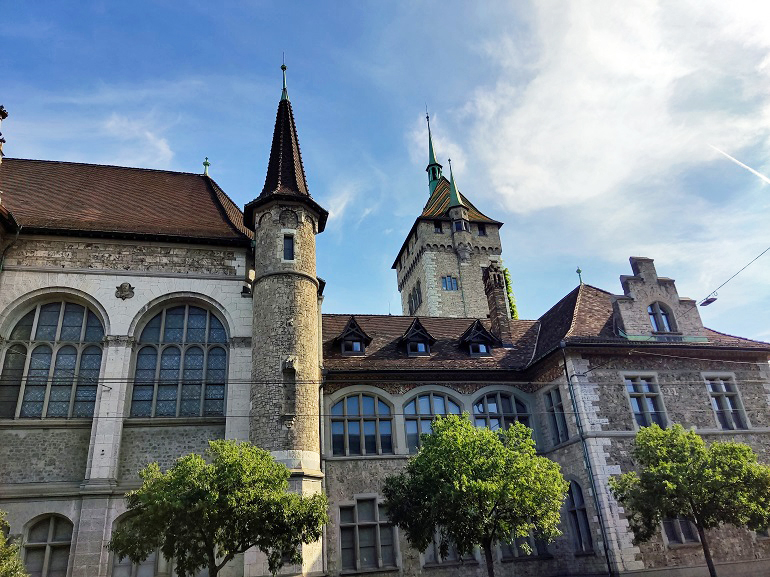
This architectural masterpiece, resembling a romantic castle from the 19th century, houses Switzerland's most comprehensive collection of cultural history artefacts. Located just steps from Zurich's main railway station, the museum provides an immersive journey through Swiss civilisation from prehistoric times to the present day.
The museum's approach combines traditional display techniques with innovative multimedia presentations, interactive installations, and immersive environments. Visitors can explore everything from medieval weapons and armour to traditional Swiss costumes, from ancient archaeological finds to displays examining contemporary Swiss identity and innovation.
The museum's beautiful inner courtyard regularly hosts cultural events and provides a peaceful retreat in the heart of the city. Recent renovations have modernised the exhibition spaces whilst preserving the building's historic character, creating an ideal environment for exploring Switzerland's rich cultural heritage.
Cabaret Voltaire
The birthplace of the Dada movement, Cabaret Voltaire on Spiegelgasse holds immense significance in art history. Founded in 1916 as a “protest against the madness of the times” by political refugees fleeing World War I, this small venue became the crucible for one of the most revolutionary art movements of the 20th century.
Today, the reconstructed Dadahaus serves as both museum and active cultural centre, featuring exhibitions, performances, a bar, and a specialist library. The space maintains the spirit of creative rebellion and intellectual discourse that characterised the original Dada gatherings, when artists, writers, musicians and dancers challenged all existing artistic conventions.
Visitors can experience both historical documentation of the Dada movement and contemporary artistic practices that continue its legacy of questioning established norms and exploring new forms of expression.
Design and Applied Arts Museums
Museum für Gestaltung Zürich
Housed in the striking Toni-Areal building, the Museum für Gestaltung Zürich is Switzerland's premier institution for design, visual communication, and applied arts. The museum's extensive collections cover graphic design, product design, architecture, and new media, providing comprehensive insights into how design shapes our daily lives.
The museum maintains four internationally significant collections focusing on design objects, graphic design, art collections, and an outstanding poster archive. Regular exhibitions explore themes ranging from Swiss design heritage to cutting-edge digital innovations, making connections between aesthetic developments and broader social changes.
The museum's educational programmes and workshops make design processes accessible to general audiences, whilst maintaining scholarly rigour in its research and documentation of design history.
Museum Bellerive (ZAZ Zentrum Architektur Zürich)
Located in Zurich's elegant Seefeld district, Museum Bellerive presents temporary exhibitions exploring the intersection of art, design, and lifestyle. The museum transforms its entire space three times yearly to showcase international artists working in the broad field between play, decoration, and utility.
Exhibitions frequently feature contemporary fashion, innovative design solutions, and lifestyle concepts that challenge traditional boundaries between art and applied arts. The museum's approach emphasises the social and cultural dimensions of design, examining how aesthetic choices reflect and influence contemporary life.
Specialist Museums
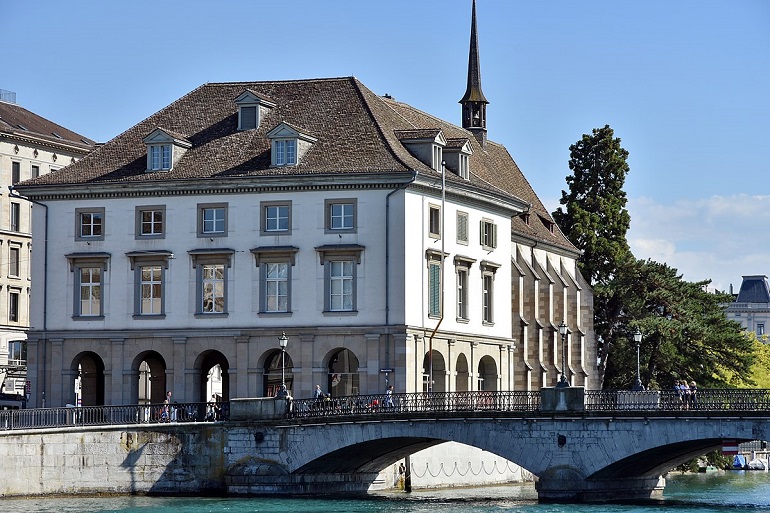
Helmhaus
This intimate venue on the Limmat riverbank specialises in contemporary art by Swiss artists, presenting single-artist shows, group exhibitions, and thematic presentations. The Helmhaus plays a crucial role in supporting and promoting Swiss artistic talent, providing a platform for both established and emerging artists to present significant bodies of work.
The museum's location in Zurich's historic centre creates an interesting dialogue between contemporary artistic expression and the city's traditional architecture, making each exhibition a unique encounter between past and present.
Shedhalle
Located within the alternative cultural complex Rote Fabrik, Shedhalle presents theme-oriented art projects that often address social and political issues. This institution operates at the intersection of contemporary art and social activism, hosting projects that engage with current debates about globalisation, migration, environmental concerns, and social justice.
The industrial setting provides an appropriate backdrop for art that challenges conventional museum presentations, often featuring participatory elements and community engagement initiatives.
E.G. Bührle Collection
This distinguished private collection showcases works by Old Masters alongside an exceptional assemblage of French Impressionist paintings and their successors. The collection represents one of the most significant private art holdings in Switzerland, featuring works by artists such as Monet, Renoir, Cézanne, and Van Gogh.
The intimate museum setting allows for close examination of these masterpieces, providing insights into the development of European painting from the Renaissance through to early modernism. The collection's focused scope enables deep exploration of artistic movements and individual artists' contributions to art history.
Coninx Museum
This specialised institution presents art from Africa and the Far East, offering Zurich audiences access to artistic traditions often underrepresented in European museums. The collection emphasises the sophisticated aesthetic achievements of these cultures, presenting works that demonstrate the universal human drive towards artistic expression whilst respecting cultural specificity.
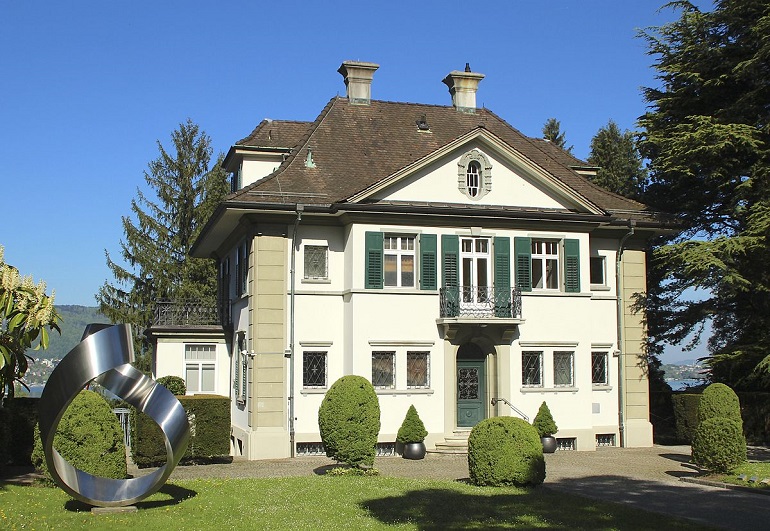
Stiftung für Eisenplastik
Located in the charming Villa Severini in nearby Zollikon, this unique institution houses an exceptional collection of Swiss iron sculpture. The museum demonstrates Switzerland's contributions to this demanding medium, showcasing works that range from traditional craftsmanship to contemporary artistic expression.
The villa setting provides an intimate environment for experiencing these powerful works, whilst the surrounding landscape offers additional context for understanding the relationship between sculptural art and natural environments.
Academic and Research Collections
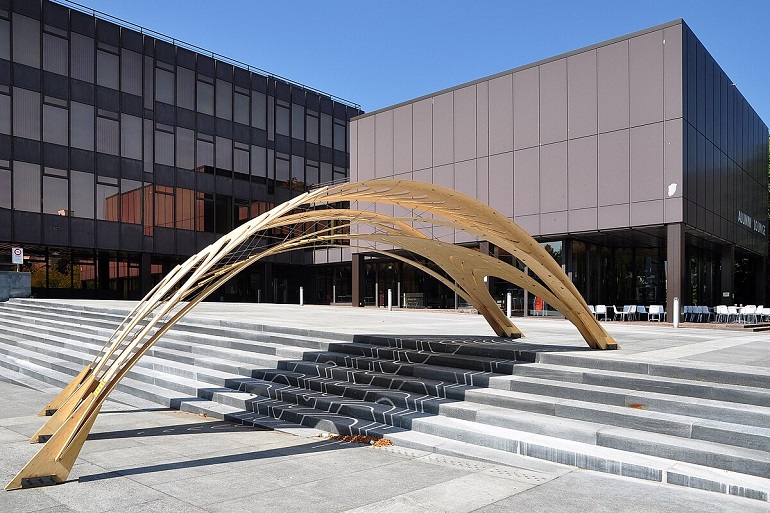
Collection of Prints and Drawings at ETH
The Swiss Federal Institute of Technology maintains an important collection of graphic art spanning historical and contemporary periods. This academic collection provides resources for scholars whilst also presenting public exhibitions that explore the development of printmaking and drawing as artistic media.
The collection's strengths include technical innovations in printmaking and contemporary approaches to graphic expression, making it valuable for understanding both historical developments and current practices in these often-underappreciated art forms.
Institute for History and Theory of Architecture (ETH)
This specialised collection houses architectural drawings, models, and documentation from significant Swiss and international architects. Holdings include the Semper Archive, works by Karl Moser and Gustav Gull, and collections documenting Swiss “pioneers” of modern architecture such as Hans Hofmann, Alfred Roth, and Hans Schmidt.
The institute serves both academic research and public education, presenting exhibitions that explore architectural history and contemporary developments in built environment design.
Local Cuisine
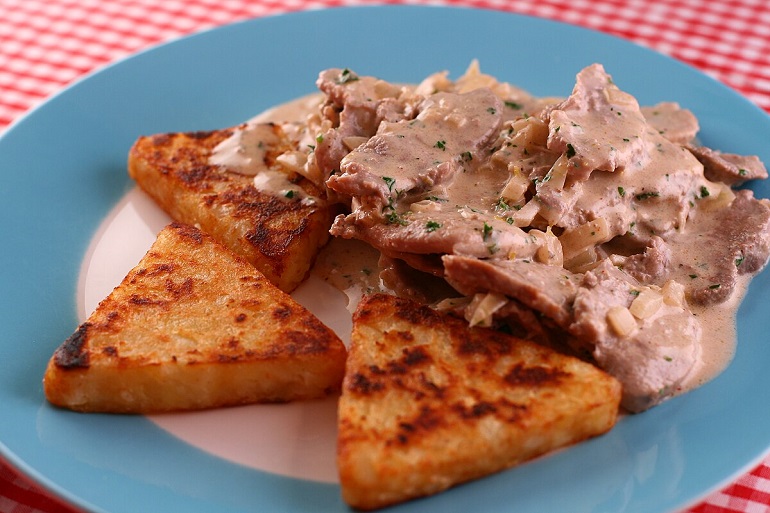
Zurich's culinary scene offers a delightful blend of hearty Alpine traditions and refined Swiss gastronomy that reflects the city's rich heritage. The undisputed star of local cuisine is Zürcher Geschnetzeltes, the city's signature dish featuring tender strips of veal simmered in a luxurious cream sauce with white wine and mushrooms, traditionally served alongside rösti, the beloved golden potato pancake that originated as a farmer's breakfast in nearby Bern. Street food enthusiasts shouldn't miss the famous bratwurst and cervelat sausages, particularly at the iconic Sternen Grill where locals and visitors queue daily for perfectly grilled St. Gallen bratwurst served with crusty bread and spicy mustard. The city also takes pride in Birchermüesli, the healthy oat-based breakfast creation of Dr. Maximilian Bircher-Brenner that originated in Zurich's hospitals around 1900. For those with a sweet tooth, Zurich's world-renowned Swiss chocolate maintains its exceptional reputation, while the city's innovative urban honey, produced by bees foraging from rooftop hives atop luxury hotels and department stores, offers a unique taste of metropolitan terroir. Other local favourites include communal fondue perfect for cold evenings by Lake Zurich, savoury käsekuchen (cheese tarts) from local bakeries, and traditional brezels that showcase the German influence on the region's culinary traditions.
Shopping
Zurich stands as one of Europe's premier shopping destinations, with the world-famous Bahnhofstrasse at its heart?a luxury mile hosting high-end boutiques from Gucci to Chanel, alongside Swiss department stores like Jelmoli and Globus. The city's shopping landscape extends beyond this prestigious avenue into distinct quarters, each offering unique retail experiences: the Old Town (Altstadt) charms with its cobblestone streets lined with designer boutiques and souvenir shops, whilst the trendy Zurich-West district showcases contemporary Swiss labels and innovative concept stores. Most shops operate Monday through Friday from 9am to 8pm and Saturdays until 5pm, though Sunday shoppers can still explore the 135 outlets at Zurich Main Station or the 60 stores at Zurich Airport. During the festive season, the shopping experience becomes particularly magical as Bahnhofstrasse transforms with the 'Lucy' Christmas lights?a spectacular display of over 23,000 LED lights twinkling above shoppers' heads.
Nature in and around Zurich
Zurich offers an abundance of natural splendours both within and around the city, making it a paradise for outdoor enthusiasts. The city boasts roughly 70 parks and green spaces, including the stunning Rieterpark and the fragrant Botanical Garden. For those seeking scenic walks, the area surrounding Zurich presents numerous options, from tranquil lake strolls around Türlersee and Katzensee to invigorating forest trails through the Horgen Aabach Ravine. The iconic Uetliberg mountain, Zurich's local peak, provides panoramic views over the city, Lake Zurich, and on clear days, the snow-capped Alps. The city's crown jewel, Lake Zurich, features a picturesque promenade perfect for leisurely walks, whilst the nearby mountains offer countless opportunities for hiking and outdoor recreation. Nature reserves like Brunau Allmend provide peaceful sanctuaries for wildlife watching and riverside walks, perfectly complementing the urban landscape.
Lakeside Parks and Gardens
Arboretum Zürich
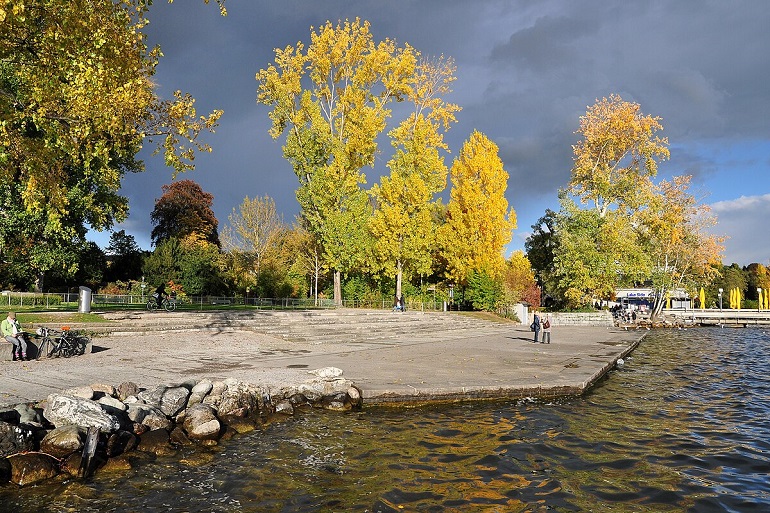
Stretching along the picturesque shores of Lake Zurich, the Arboretum represents a perfect fusion of botanical education and recreational pleasure. This tranquil lakeside park and botanical garden showcases an impressive collection of diverse tree species from around the world, creating a living museum of arboriculture that changes dramatically with the seasons. The park's carefully planned pathways wind through groves of exotic specimens, native Swiss flora, and manicured lawns that slope gently toward the lake's edge. During warmer months, the Arboretum becomes a hub of outdoor activity, with designated swimming areas where visitors can take refreshing dips in the clean waters of Lake Zurich, whilst sandy beaches and grassy banks provide ideal spots for sunbathing and relaxation. The park's inclusive design ensures accessibility for all visitors, with wheelchair-accessible pathways and facilities, whilst dog owners appreciate the pet-friendly policies that allow their companions to enjoy the outdoor space. Barbecue areas and picnic tables scattered throughout the grounds make it a favourite destination for family gatherings and romantic outings, whilst the stunning backdrop of the lake and distant mountains creates an almost Mediterranean atmosphere in the heart of Switzerland.
Zürichhorn
Zürichhorn stands as one of Zurich's most beloved waterfront destinations, offering a perfect blend of natural beauty, recreational facilities, and cultural attractions along the eastern shore of Lake Zurich. This expansive park features vast rolling lawns punctuated by mature trees, colourful flower beds, and strategically placed benches that provide optimal viewing points for the lake and mountain panorama. The park's comprehensive facilities cater to visitors of all ages and interests, with well-equipped playgrounds for children, barbecue areas for family gatherings, and designated swimming zones where locals and tourists alike can enjoy the refreshing lake waters. The presence of several restaurants within the park grounds ensures that visitors can extend their stay with quality dining while enjoying the spectacular lakeside setting. Throughout the year, Zürichhorn hosts various cultural events and festivals, transforming the peaceful park into a vibrant community gathering space. The park's accessibility features, including wheelchair-friendly paths and parking areas, ensure that everyone can enjoy this lakeside paradise. Dog owners particularly appreciate the generous space and pet-friendly policies that allow their animals to run freely on designated areas.
Chinagarten Zürich
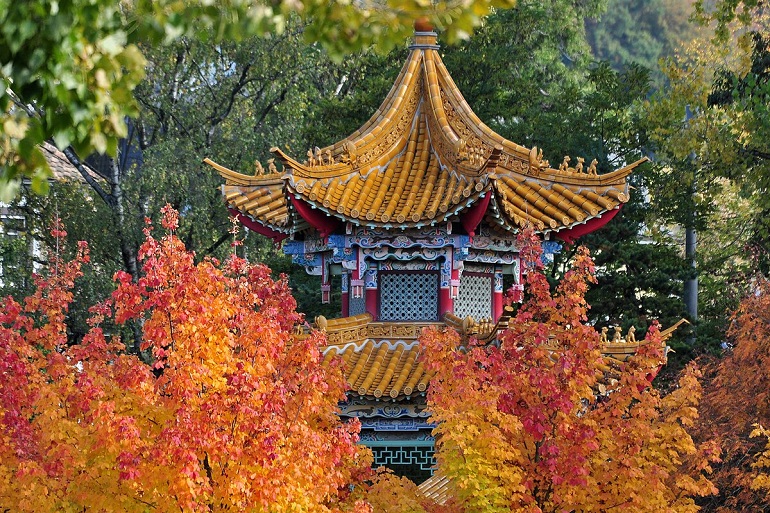
The Chinagarten offers visitors an authentic taste of traditional Chinese garden design, creating a serene oriental oasis on the shores of Lake Zurich. This remarkable garden, a gift from Zurich's Chinese sister city Kunming, represents a masterpiece of landscape architecture that faithfully reproduces the principles of classical Chinese garden design. Visitors enter through an ornate moon gate and discover a carefully orchestrated landscape of pavilions, arched bridges, artificial rocks, and tranquil water features arranged around a central pond. Every element of the garden has been positioned according to ancient feng shui principles, creating harmonious sight lines and promoting a sense of peace and contemplation. The garden's authentic materials, including specially imported stones and traditional Chinese architectural elements, were assembled by skilled craftsmen from Kunming to ensure cultural authenticity. Seasonal plantings ensure year-round beauty, with spring cherry blossoms, summer lotus flowers, autumn maples, and winter evergreens providing constantly changing but always harmonious colour schemes. The garden's location directly on the lake shore enhances its tranquil atmosphere, whilst its moderate entry fee and convenient opening hours (11am-7pm daily) make it accessible to all visitors seeking a moment of zen-like calm.
Historic Parks and Urban Oases
Platzspitz
Platzspitz occupies a unique and strategically beautiful position at the confluence of Zurich's two main rivers, the Limmat and the Sihl, creating a verdant peninsula in the heart of the city. This elegantly landscaped park has undergone a remarkable transformation from its troubled past to become one of Zurich's most peaceful and family-friendly green spaces. The park's tree-lined pathways meander through carefully maintained gardens, leading visitors past an impressive Art Deco gazebo that serves as a venue for outdoor concerts and cultural performances throughout the summer months. The park's design takes full advantage of its riverside location, with benches positioned to offer views of both waterways and the surrounding cityscape. Historical significance permeates every corner of Platzspitz, as this land once served as the site of royal gardens and later played host to various chapters in Zurich's civic development. Today's visitors can enjoy the park's peaceful atmosphere from early morning until late evening (5:30am-10pm weekdays, extending to 11pm on weekends), making it perfect for morning jogs, lunch breaks, or evening strolls. The park's facilities include public restrooms, wheelchair-accessible paths, and designated areas for picnicking, whilst its central location makes it easily accessible from anywhere in the old city.
Irchelpark
Located near the University of Zurich campus, Irchelpark represents a triumph of modern landscape architecture that seamlessly blends recreational facilities with natural beauty and contemporary art. This thoughtfully designed park centres around a picturesque lake that reflects the surrounding meadows and specimen trees, creating a mirror-like focal point that changes with the seasons and weather. Throughout the park, visitors encounter a carefully curated collection of sculptures by prominent Swiss artists, transforming their walk into an outdoor gallery experience that celebrates both nature and creativity. The park's diverse ecosystems support a variety of wildlife, making it popular with nature enthusiasts and photographers who come to observe birds, small mammals, and seasonal wildflowers. Recreational facilities are thoughtfully integrated into the landscape, with designated barbecue areas equipped with grills, extensive hiking and walking trails suitable for all fitness levels, and playgrounds that blend seamlessly into the natural environment. The park's dog-friendly policies and off-leash areas make it particularly popular with pet owners, whilst families appreciate the safe, enclosed play areas and the abundance of space for children to explore. Tennis facilities and ample parking ensure that Irchelpark can accommodate both casual visitors and serious sports enthusiasts.

Rieterpark
Rieterpark stands as a magnificent example of 19th-century landscape design, featuring mature specimen trees, rolling lawns, and elegant villas that create an atmosphere of refined tranquillity. This historic park showcases an impressive collection of rare coniferous trees, many of which were planted over a century ago and have now reached magnificent proportions, creating a natural cathedral of towering evergreens. The park's varied topography includes gentle hills, hidden valleys, and secluded groves that provide intimate spaces for contemplation and relaxation away from the city's bustle. Winding paths connect various sections of the park, each offering different perspectives on the carefully planned landscape and the architectural gems scattered throughout the grounds. The presence of several grand 19th-century villas adds historical context and architectural interest, whilst modern amenities such as tennis courts and playgrounds ensure the park serves contemporary recreational needs. The park's excellent accessibility features, including wheelchair-friendly paths and facilities, make it welcoming to all visitors. Dog owners particularly value the generous space and clear policies that allow pets to enjoy the parkland whilst respecting other users. Throughout the year, the park's seasonal changes provide constantly evolving beauty, from spring wildflowers to autumn foliage displays.

Josefwiese
Josefwiese serves as a vibrant community hub in one of Zurich's most diverse neighbourhoods, offering a perfect example of how urban green spaces can bring together residents and visitors from all walks of life. This dynamic park features an impressive array of recreational facilities designed to accommodate everything from spontaneous family outings to organised sports activities. The park's playground equipment includes slides, swings, and climbing structures that provide hours of entertainment for children, whilst adults appreciate the table tennis facilities, volleyball court, and barbecue areas that encourage social interaction. Fountains and water features throughout the park provide both visual appeal and practical refreshment during hot summer days, whilst the abundance of benches and picnic tables ensures comfortable relaxation for visitors of all ages. The park's design reflects the multicultural character of its neighbourhood, with open spaces that naturally accommodate diverse cultural activities and celebrations throughout the year. Accessibility remains a priority, with wheelchair-friendly paths, parking facilities, and adapted restrooms ensuring that everyone can enjoy the park's offerings. The 24-hour access policy makes Josefwiese particularly valuable for shift workers, early risers, and evening exercise enthusiasts who appreciate the flexibility of unrestricted hours.
Belvoirpark
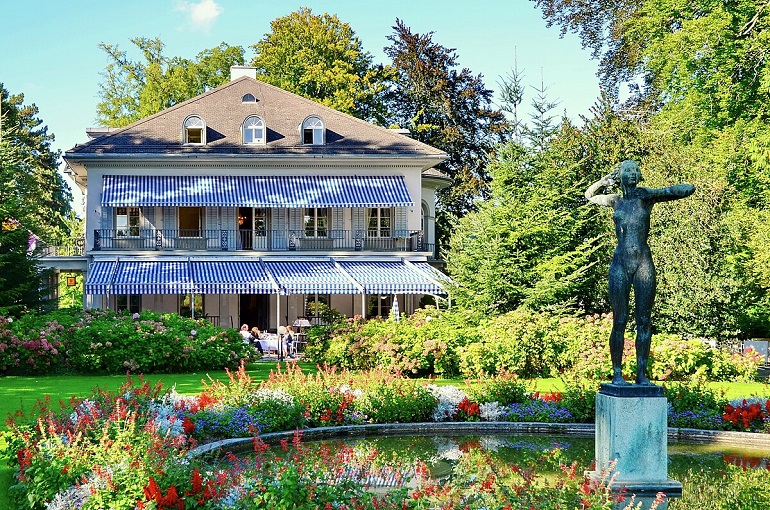
Belvoirpark enchants visitors with its romantic combination of historical architecture and meticulously maintained gardens surrounding an elegant 19th-century villa. This intimate park represents a perfect example of estate garden design, where every element has been carefully planned to create harmonious compositions of natural and architectural beauty. The park's mature trees, many dating from the original landscaping, create a canopy of shade over lawns dotted with seasonal flower displays that change throughout the year. Sculptural elements and a charming fountain serve as focal points that draw visitors through the garden's various sections, each offering different perspectives on the surrounding landscape and lake views. The villa itself, though private, provides an elegant architectural backdrop that enhances the park's refined atmosphere and historical significance. Well-maintained paths wind through the grounds, connecting secluded seating areas where visitors can read, sketch, or simply enjoy the peaceful surroundings. The park's popularity with local joggers and dog walkers creates a gentle buzz of activity without disrupting its essential tranquillity. Accessibility features ensure that visitors with mobility challenges can navigate the paths and enjoy the garden's beauty, whilst the waterfront location provides stunning views across Lake Zurich to the mountains beyond.
Swimming and Lakeside Recreation
Strandbad Mythenquai
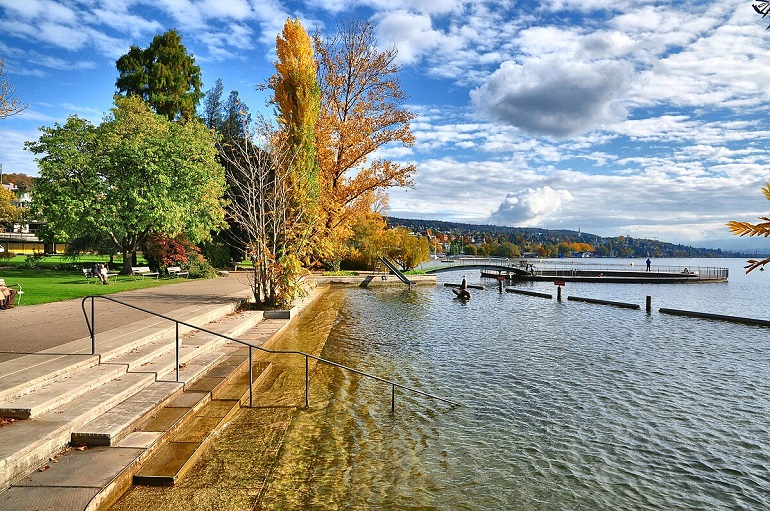
Strandbad Mythenquai offers one of Zurich's most popular lakeside swimming experiences, combining the refreshing waters of Lake Zurich with comprehensive recreational facilities in a stunning natural setting. This beloved lido features a genuine sandy beach that creates an almost Mediterranean atmosphere, complete with diving boards that allow swimmers to plunge directly into the clean lake waters. The facility's expansive lawns provide ample space for sunbathing, beach games, and family picnics, whilst mature trees offer welcome shade during the hottest parts of the day. Barbecue facilities scattered throughout the grounds enable visitors to extend their stay with al fresco dining, creating memorable experiences that combine swimming, dining, and socialising. The on-site restaurant ensures that visitors can enjoy quality meals and refreshments without leaving the lakeside paradise, whilst changing facilities and restrooms provide all necessary amenities for a comfortable day by the water. The facility's accessibility features, including wheelchair-accessible entrances and parking, ensure that everyone can enjoy this lakeside retreat. Throughout the summer season, Strandbad Mythenquai buzzes with activity as locals and tourists alike take advantage of this unique urban beach experience.
Strandbad Tiefenbrunnen
With a history dating back to 1886, Strandbad Tiefenbrunnen holds the distinction of being one of Zurich's oldest and most characterful lakeside swimming facilities. This historic lido has retained much of its original charm whilst incorporating modern amenities that ensure comfort and safety for contemporary visitors. The facility features a dedicated paddling pool that makes it particularly welcoming for families with young children, whilst the main swimming areas provide refreshing recreation for visitors of all ages. A well-equipped playground keeps children entertained between swimming sessions, whilst parents can relax on the grassy areas or take advantage of the barbecue facilities for family meals by the lake. The on-site snack kiosk provides convenient refreshments and light meals, ensuring that visitors can spend entire days enjoying the lakeside atmosphere. The facility's accessibility features, including wheelchair-friendly entrances and parking, demonstrate its commitment to inclusive recreation. Throughout its long history, Strandbad Tiefenbrunnen has served as a beloved gathering place where generations of Zurich families have created lasting memories of summer days by the lake.
Getting to Zurich & Around
Getting to Zurich
Getting to Zurich is straightforward: fly into Zürich Airport with a quick rail link to the city centre, arrive by international train, take an intercity coach, or drive via Swiss motorways with a required vignette for cars and light vehicles.
By air
- Zürich Airport (ZRH) has its own rail station beneath the terminals, with SBB trains to Zürich Hauptbahnhof (HB) running roughly every 10 minutes and taking about 15 minutes to the city centre.
- The airport is integrated into the Zürich S-Bahn network, with the S2 and S16 lines linking the airport directly to major city stops including Zürich HB.
By train
- High-speed TGV Lyria connects Paris Gare de Lyon with Zürich HB on the direct Paris–Basel–Zurich route, providing a fast city-centre to city-centre option.
- Direct services link Munich and Zürich, with Deutsche Bahn promoting a journey time of around four hours between the two cities.
- Long-distance EuroCity and Railjet trains connect Zürich HB to Italy (Milan/Venice) and Austria (Vienna/Budapest/Bratislava), reflecting the station’s strong international network.
Night trains
- ÖBB Nightjet overnight routes include Zürich–Graz (via Feldkirch/Leoben) and other services across Central Europe, making it possible to arrive in the morning after sleeping on the train.
- Zürich HB also has overnight services to Amsterdam, adding a convenient northwestern link while avoiding daytime travel.
By coach
- International coaches use the Central Bus Station at Sihlquai, near Zürich HB, with the stop commonly referenced as “Carparkplatz Sihlquai” around Limmatstrasse/Sihlquai.
- Regular coach routes link Zurich with major cities such as Milan, Munich, Paris, Brussels and Berlin, departing from the Sihlquai/Limmatstrasse area by the main station.
By car
- Zurich is connected by Switzerland’s motorway network; to use Swiss motorways and expressways, cars and other vehicles up to 3.5 tonnes must have a motorway vignette (available as an e-vignette or a sticker).
- The vignette is widely sold in Switzerland (e.g., filling stations and post offices) and at border posts; driving without one results in a fine in addition to the vignette requirement.
Airport to city
- From the airport, frequent SBB trains reach Zürich HB in about 15 minutes, offering the quickest and most convenient public transport into the centre.
- S-Bahn lines S2 and S16 also serve the airport–city corridor, providing direct suburban rail links through Zürich Oerlikon, Zürich HB and onward across lake and regional lines.
Within Switzerland
- Zürich HB is the country’s principal rail hub, with most Swiss mainline services running to or from the city and nationwide connections synchronised on a regular “clock-face” timetable.
- The station’s scale and central role mean long-distance trains meet on the hour and half-hour, facilitating easy connections across Switzerland and beyond.
Getting around Zurich
Getting around Zurich is exceptionally convenient thanks to its world-class public transport network, extensive cycling infrastructure, and compact, walkable city centre.
Public Transport Network
Zurich's public transport is operated by the Zürcher Verkehrsverbund (ZVV), Switzerland's largest transport network. The system integrates trams, buses, S-Bahn trains, and lake boats under a single ticketing system, making it easy to travel seamlessly between different modes.
Trams and Buses
- Electric trams are the backbone of city transport, running frequently from 6am to 1am, typically every 7-10 minutes
- Comprehensive coverage: There's a tram or bus stop every 300 metres, with residents living within 400 metres of a station
- Night network: The "Nachtnetz" operates Friday and Saturday nights from 1am to 4am, requiring a regular ticket plus a CHF 5 night surcharge
- Exceptional punctuality: Zurich has the world's best on-time performance for public transport, with 4,000 sensors monitoring traffic to prioritise trams and buses at 400 junctions
S-Bahn Network
- Regional connectivity: S-Bahn trains connect the city centre to suburbs, the airport, and surrounding areas
- Airport access: Lines S2 and S16 link Zurich Airport directly to the city centre in about 15 minutes
Ticketing System
- Zone-based fares: The city operates on fare zones numbered 110-184, with central Zurich being zone 110
- Integrated tickets: One ticket covers all transport modes (tram, bus, train, boat) within your chosen zones
- Zurich Card: Tourist passes offer 24 or 72 hours of unlimited travel in central zones, including airport connections and lake boats
- Proof-of-payment: No barriers, but regular inspections with fines of at least CHF 100 for ticketless travel
Cycling
Zurich is exceptionally bike-friendly with dedicated lanes, scenic routes along the Limmat River, and comprehensive cycling infrastructure.
Free Bike Rental
- Züri Rollt: The city's free bike rental programme operates from an underground station near Hauptbahnhof on Kasernenstrasse
- Simple access: Just bring ID and a CHF 20 deposit for free day rental; overnight rentals cost CHF 10
- E-bikes available: Electric bikes cost CHF 30 per day
- Opening hours: Monday-Saturday 8am-9:30pm; Sundays 8am-5:30pm (March-October only)
Bike Sharing
- PubliBike: Commercial bike-sharing network with stations throughout the city, offering both regular bikes and e-bikes
- ETH Urban Connect: 35 e-bikes at four locations for CHF 1 per hour (ETH members only)
Lake Transport
Zürichsee-Schifffahrtsgesellschaft operates passenger boats on Lake Zurich, integrated into the ZVV network for scenic waterborne transport between lakeside communities.
Walking
Central Zurich is highly walkable with extensive pedestrian zones, particularly in the historic Altstadt (Old Town). The compact city centre means most attractions are easily reached on foot, with excellent connectivity to public transport when needed.
Practical Tips
- Cross-city journeys can be completed in 30 minutes or less on public transport, including transfers
- Traffic priority: Trams and buses receive automatic priority at traffic lights through sensor technology
- Accessibility: The network is designed for universal access with lifts and ramps at stations
- Mobile ticketing: Purchase tickets through the ZVV or SBB mobile apps for convenience
The combination of reliable public transport, free cycling options, and pedestrian-friendly infrastructure makes Zurich one of Europe's most navigable cities, ranking fifth globally in the Urban Mobility Readiness Index.
Best Time to Visit
The optimal time to visit Zurich is between March and May or September to November, when the weather is mild and tourist crowds are fewer compared to the peak summer season. Spring brings temperatures ranging from 4°C to 20°C, with blooming flowers transforming the city into a colourful spectacle, whilst autumn offers stunning foliage and temperatures between 2°C and 22°C. These shoulder seasons provide excellent opportunities for outdoor activities and sightseeing, often with more favourable accommodation rates. However, it's worth noting that Zurich offers unique experiences in every season - from summer's vibrant festivals and lakeside activities to winter's enchanting Christmas markets and nearby skiing opportunities. If you're keen on outdoor festivals and swimming in Lake Zurich, the summer months of June through August are ideal, though this is also the busiest and most expensive period.