


| Contents |
|---|
Introduction
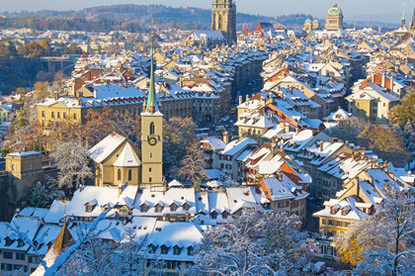
Bern (or Berne; pop. 135,000; urban 405,000; metro 660,000), the de facto capital of Switzerland, is situated along the Aare River in the west-central part of the country. Its remarkably preserved Old Town, designated as a UNESCO World Heritage Site in 1983, features 6.4 kilometers of covered arcades, medieval architecture, and 16th-century fountains. The city was founded in 1191 by Duke Berthold V von Zähringen and joined the Swiss Confederation in 1353, later becoming the federal city in 1848. Notable landmarks include the Gothic cathedral with Switzerland's highest spire at 328 feet, the Federal Palace housing the Swiss parliament, and the famous Clock Tower (Zeitglockenturm) with its mechanical puppets. The city serves as a major cultural center with numerous museums, including the Museum of Fine Arts which houses the world's largest collection of Paul Klee works.
Interesting Facts about Bern
- Bern is the Swiss federal capital known for its medieval Old Town encircled by the River Aare and recognised as a UNESCO World Heritage Site since 1983.
- Its name is linked to the German word for bear, and the city has kept bears as living symbols since the 15th century at the historic Bärengraben and modern Bear Park.
- The Zytglogge clock tower delights onlookers with mechanical figures that perform a few minutes before each hour, a tradition dating back to the 16th century.
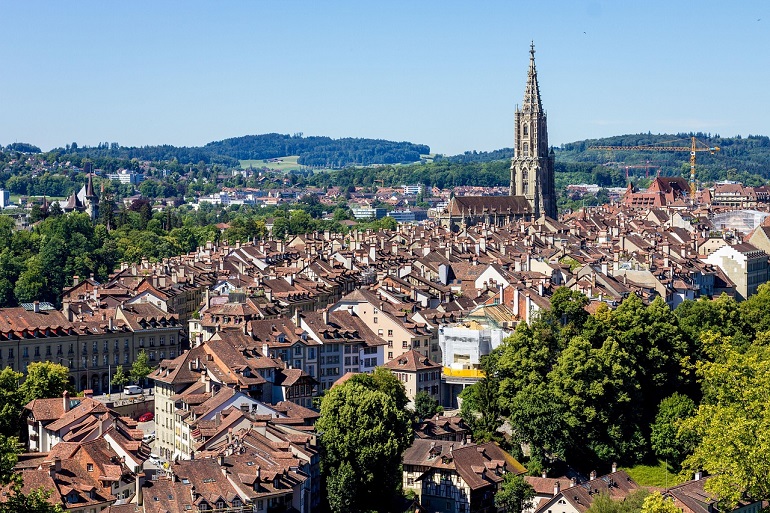
- Bern Minster’s spire rises to about 100 metres, making it the tallest church tower in Switzerland and a dominant feature of the skyline.
- With roughly 6 kilometres of covered arcades, Bern offers one of Europe’s longest weather-proof shopping promenades through its Old Town streets.
- Albert Einstein lived at Kramgasse 49 from 1903 to 1905, during which his Annus Mirabilis papers transformed modern physics.
- The Federal Palace (Bundeshaus) houses Switzerland’s parliament and parts of the federal government in the heart of the Old Town.
- Bern’s historic core preserves more of its medieval appearance than any other Swiss city, featuring sandstone façades, fountains, towers, and bridges.
- The city is the headquarters of the Universal Postal Union, reflecting Bern’s long-standing international administrative role.
- Legend holds that Duke Berthold V founded Bern in 1191 and named it after the first animal he killed on a hunt—said to be a bear.
- The Old Town’s Renaissance fountains include the striking Kindlifresserbrunnen, whose meaning has sparked debate for centuries.
- Bern’s arcaded streets and compact plan date from the 12th–15th centuries and largely survived the 1405 fire thanks to a later rebuild in sandstone.
- The Aare’s loop around the Old Town creates dramatic terraces and viewpoints, with classic panoramas from the Rose Garden above the river bend.
- Bern’s official title is Bundesstadt (federal city), reflecting its capital status without being a separate federal district like some capitals.
- Old Bern connects to newer quarters by bridges over the Aare, integrating a medieval core with modern urban life and government institutions.

History
The history of Bern stretches back to the late 12th century when Duke Berchtold V of Zähringen founded the city in 1191 on a dramatic peninsula surrounded by the River Aare. Originally established on a hill site covered by oak forest, the timber was felled to construct the first wooden houses whilst a small castle was built at Nydegg to guard the river crossing. The city was strategically positioned on the border between German-speaking Alamannians and French-speaking Burgundians, following the typical Zähringen urban design with three main longitudinal streets running east to west. Following the extinction of the Zähringen dynasty in 1218, Bern became a free imperial city under the Holy Roman Empire through the Goldene Handfeste charter, though this document is now believed by scholars to be a 13th-century Bernese forgery later confirmed by King Rudolph I in 1274.
Throughout the medieval period, Bern experienced remarkable growth and territorial expansion that transformed it into one of Europe's most powerful city-states. The city joined the Swiss Confederacy in 1353 as its eighth canton, marking the beginning of its rise to prominence within the emerging Swiss confederation. By the end of the 13th century, Bern had grown from an estimated 400-600 inhabitants at its founding to approximately 3,000 residents by 1300. The city systematically expanded westward across the peninsula, with successive defensive towers marking its boundaries: the Zytglogge from 1191-1256, the Käfigturm until 1345, and finally the Christoffelturm near today's railway station until 1622. Major conquests included Aargau in 1415 and Vaud in 1536, making Bern the largest and most powerful city-state north of the Alps by the 16th century. Despite lacking major trading routes, the city prospered through agriculture and tannery, with leather goods becoming a principal export alongside the famous Bernese glass paintings that were in high demand across Europe during the 16th and 17th centuries.
Bern's modern history began with significant upheaval during the French Revolutionary Wars, when French troops occupied the city in 1798 and stripped it of considerable territories. However, the city recovered much of its influence following the Congress of Vienna in 1814, when it regained the Bernese Oberland and acquired the Bernese Jura, once again becoming the largest Swiss canton. The most significant milestone came on 28 November 1848, when the Swiss Federal Assembly chose Bern as the federal city (seat of government) of the newly created Swiss federal state, defeating Zürich and Lucerne for this honour. The selection was strategic: Bern offered a more central location, avoided concentrating power in the economic powerhouse of Zürich, and gained support from French-speaking cantons due to its proximity. Throughout the 19th and 20th centuries, the city's population grew dramatically from about 12,000 in 1800 to over 100,000 by the 1920s, peaking at 165,000 during the 1960s. Today, Bern's remarkably well-preserved medieval Old Town, built primarily of sandstone following a devastating fire in 1405, stands as a UNESCO World Heritage Site and testament to over eight centuries of Swiss history.
Main Attractions
Historic Towers and Architecture
Zytglogge
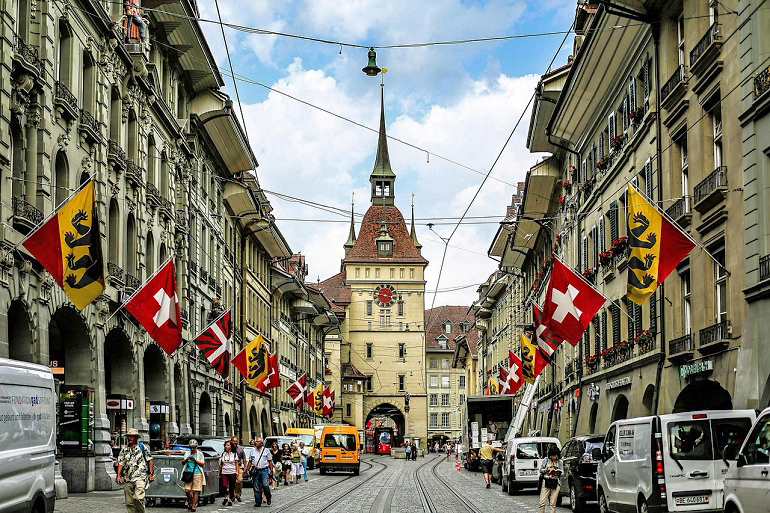
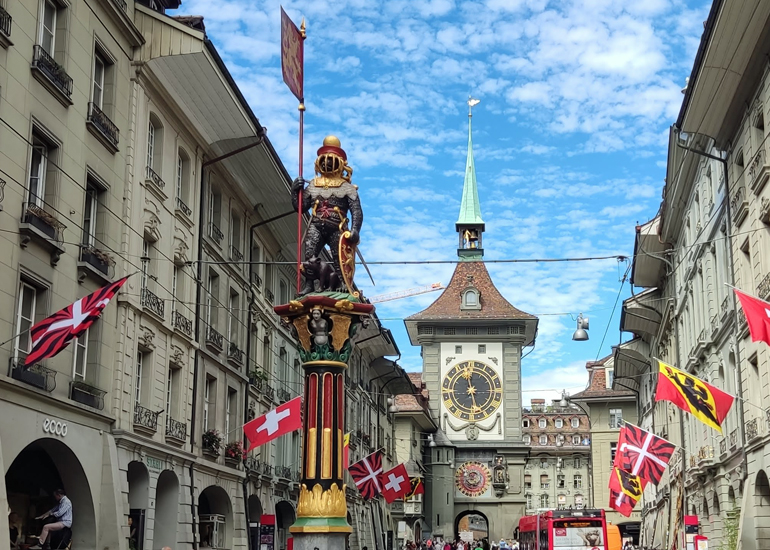
The Zytglogge is Bern's celebrated medieval clock tower, reconstructed after the great fire in 1405 and standing as a testament to the city's history. Each hour, crowds gather to watch the ornate mechanical figures come to life above the astronomical clock face, a highlight of Bernese craftsmanship. The tower also acts as a focal point in the old town, surrounded by charming cobbled streets and bustling shops.

Käfigturm
The Käfigturm is a stately baroque clock and bell tower built in 1644 with a fascinating past as Bern's city prison. Rising fifty metres on Marktgasse, it now serves as both a historical landmark and event venue. Its bold architecture and prominent clock face are best appreciated from the bustling streets below, where locals and tourists mingle under its watchful gaze.
Berner Münster (Bern Cathedral)
Bern's majestic Gothic cathedral, the Berner Münster, dominates the city skyline with its soaring 100-metre spire—the tallest in Switzerland. Admire the intricate sculpted portal and centuries-old stained glass windows from the 1400s. Visitors may climb the tower for an unrivalled panorama over Bern, while the interior offers a tranquil ambience and exquisite detail for those interested in ecclesiastical architecture.
Parliament Building
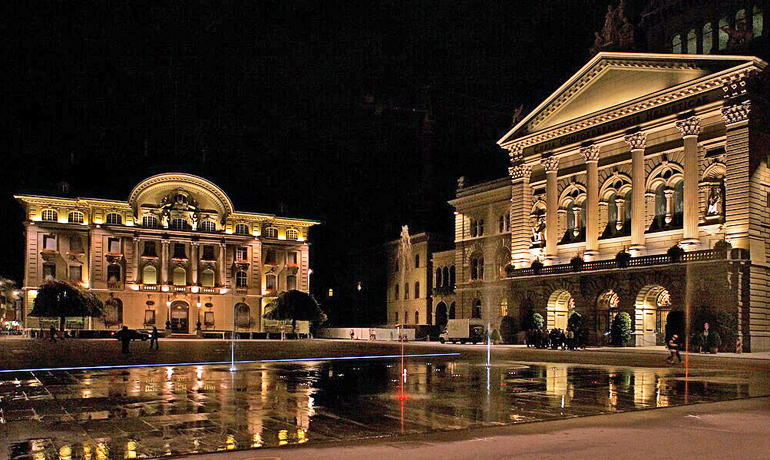
The Swiss Parliament Building stands as an impressive example of federal architecture with its distinctive cupola and commanding presence on Bundesplatz. Guided tours are available when parliament is not in session, offering insights into Switzerland's democratic processes. The building's neoclassical design and prominent dome make it one of Bern's most recognisable landmarks.

Erlacherhof
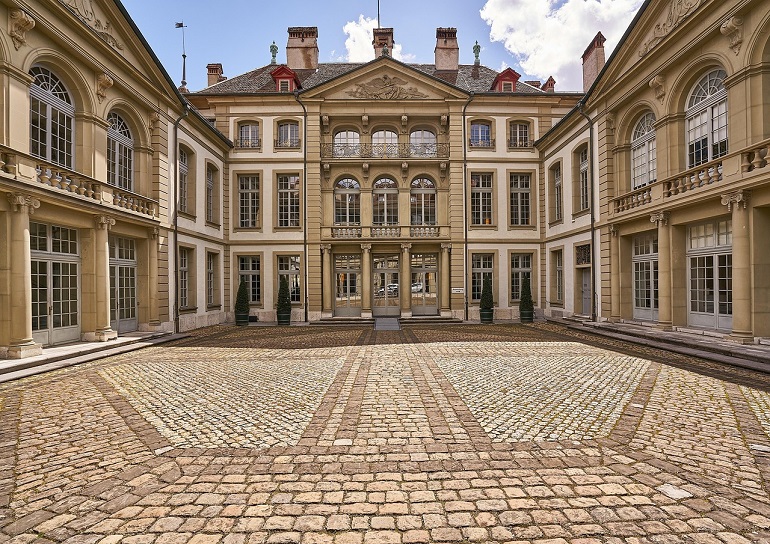
The Erlacherhof stands as Bern's most magnificent patrician mansion, a late-Baroque architectural masterpiece built between 1745 and 1752 that uniquely breaks with the traditional Bernese streetscape through its distinctive courtyard design. This elegant "hôtel entre cour et jardin" was commissioned by Hieronymus von Erlach and designed by architect Albrecht Stürler, who audaciously chose to forego building along the street in favour of creating the city's only grand cour d'honneur. The mansion has played a remarkable role in Swiss political history, serving as the first official seat of the Swiss Federal Council from 1848 to 1857, before housing the French Embassy and later becoming the current seat of Bern's mayor and city administration. Visitors can admire its imposing façades, wrought-iron gates, and the symmetrical garden terrace that extends southward over the banks of the River Aare, though the building itself remains closed to the public. With its ornate ballroom featuring stucco work by Johann August Nahl and ceiling paintings by Emanuel Handmann, the Erlacherhof represents not only architectural excellence but also the political transformation of Switzerland from patrician rule to modern democracy.
Squares and Public Spaces
Bundesplatz
Bundesplatz, the grand federal square at the heart of Bern, is edged by the impressive Swiss Parliament building. Notable for its innovative water fountains—thirty-six jet spouts representing Switzerland's cantons—the square is a vibrant hub hosting lively markets and national events throughout the year. Its modern amenities and open atmosphere make it an essential stop for anyone wanting to experience Bern's civic spirit.
Waisenhausplatz
Waisenhausplatz is a lively square, popular for its seasonal markets, local festivals and proximity to the city's bustling pedestrianised centre. With its ample open space and relaxing atmosphere, it's a favourite meeting spot for both residents and visitors wishing to soak up Bernese daily life. The square offers excellent accessibility and is well suited for families and groups.
Historic Fountains
Zähringerbrunnen
The Zähringerbrunnen is a striking Renaissance fountain on Kramgasse, erected in tribute to Bern's founder, Berchtold von Zähringen. At its centre stands a proud bear holding the city's shield and flag, symbolising both Bern's storied origins and love for these animals. Easily accessible, this historic fountain makes a popular photo opportunity and a distinguished marker on any walking tour of the city.
Gerechtigkeitsbrunnen
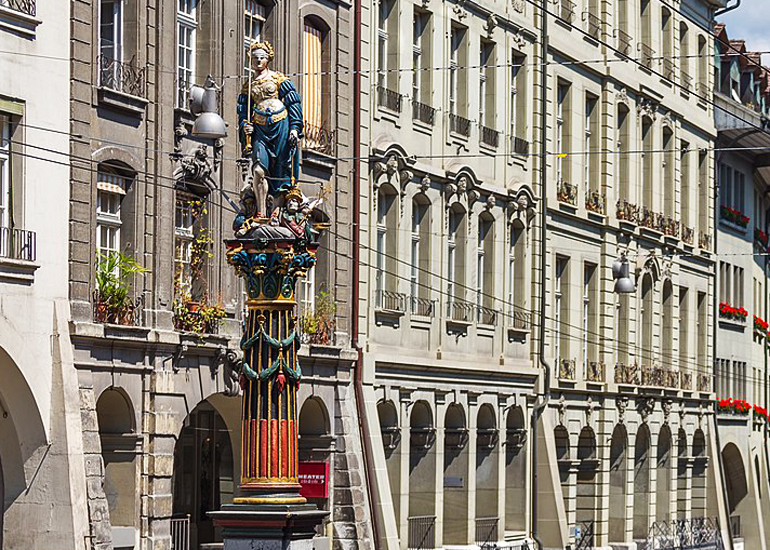
The Gerechtigkeitsbrunnen presents a captivating 16th-century stone fountain featuring a brightly painted figure representing justice. Located on Gerechtigkeitsgasse, this ornate fountain exemplifies Bern's rich tradition of decorative public art. The detailed craftsmanship and symbolic imagery make it a compelling stop for those interested in the city's artistic heritage.
Bridges and River Views
Altenbergsteg
The Altenbergsteg, erected in 1857, is a charming pedestrian suspension bridge featuring wooden boards and distinctive latticework railings. This historic crossing offers delightful views of the Aare river and surrounding landscapes, making it a favourite spot for photography and peaceful contemplation. The bridge's vintage character and scenic setting provide a perfect example of Bern's blend of functional infrastructure and natural beauty.

Untertorbrücke & Nydeggbrücke
The Untertorbrücke and Nydeggbrücke in Bern represent two distinct eras of the city's bridge-building heritage, gracefully spanning the meandering Aare River at the historic heart of Switzerland's capital. The Untertorbrücke (Lower Gate Bridge), constructed in stone between 1461 and 1489, stands as Bern's oldest surviving bridge and served as the city's sole river crossing for nearly four centuries until the mid-19th century. Originally built to replace a wooden predecessor destroyed by floods in 1460, this medieval stone arch bridge features three elegant spans and once boasted extensive fortifications, though these were later removed to accommodate modern traffic, leaving today's visitors with its essential medieval core adorned with 19th-century iron railings.The neighbouring Nydeggbrücke, constructed between 1840 and 1844, offered a larger and more modern crossing point that finally relieved the Untertorbrücke of its centuries-long burden as Bern's primary link across the Aare. Together, these bridges frame the picturesque Nydegg quarter and provide visitors with both historical insight and spectacular vantage points for admiring Bern's UNESCO World Heritage Old City and the river's serpentine course through the surrounding countryside.

Top Museums
Art Museums
Kunstmuseum Bern (Museum of Fine Arts)
The Kunstmuseum Bern holds the distinction of being Switzerland's oldest art museum and houses one of the most significant art collections in the country. With approximately 4,000 paintings and sculptures and some 70,000 drawings, prints, videos, installations and photographs, the museum's collection spans from the late Middle Ages to contemporary times.
The museum's permanent collection showcases remarkable breadth, featuring exquisite early Renaissance works such as Fra Angelico's Madonna and Child alongside modernist masterpieces. The international modernism section is particularly noteworthy, housing important works of Cubism—including significant pieces by Pablo Picasso such as Violin Hanging on a Wall—and Georges Braque. The museum's Expressionist collection features Ernst Ludwig Kirchner's Swiss works, whilst the Bauhaus movement is represented through key works by Paul Klee and Johannes Itten.
Contemporary highlights include Meret Oppenheim's Enchantment, considered one of the finest collections of her work by international standards, important pieces by Louise Bourgeois, and Piet Mondrian's Tableau No. II with Grey and Black. The museum has played a pioneering role since the early 1990s in championing female artists, with works by Miriam Cahn, Marina Abramović and Maria Lassnig.
The global contemporary section features works by non-European artists including Teruko Yokoi, Kader Attia, Kim Sooja, Nam June Paik, Moshekwa Langa, El Anatsui, Zarina Bhimji and Tracey Rose. The museum also maintains extensive holdings of kinetic art, light art and media art, positioning it at the forefront of contemporary artistic movements.
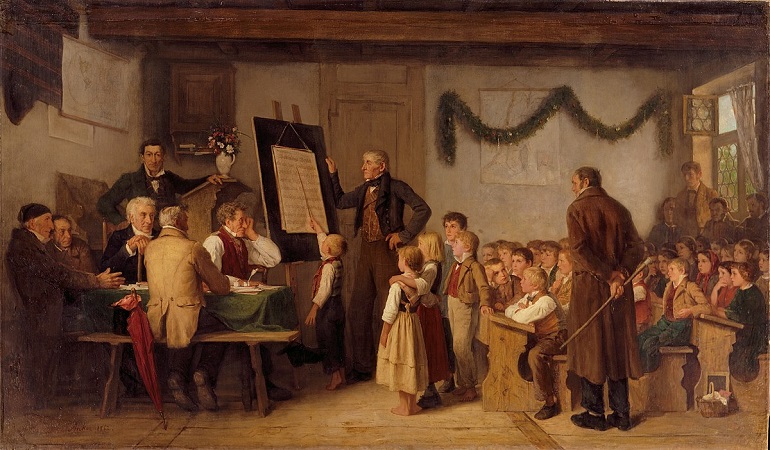
Swiss art forms a cornerstone of the collection, with important works by the "Berner Nelkenmeister" and Niklaus Manuel, alongside comprehensive holdings of 18th and 19th-century Swiss art. Particularly significant are the collections featuring Caspar Wolf's dramatic Alpine landscapes, Albert Anker's intimate domestic scenes, and Ferdinand Hodler's symbolic compositions. The museum also houses works by Adolf Wölfli, once considered "outsider art" but now recognised as significant contributions to modern artistic expression.
Zentrum Paul Klee
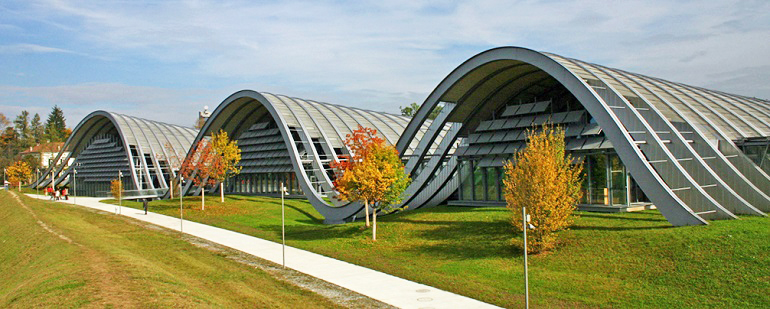
The Zentrum Paul Klee stands as a monument to one of the 20th century's most innovative artists, housing the world's largest collection of Paul Klee's works with over 4,000 paintings, watercolours, drawings and sketches. Designed by renowned architect Renzo Piano, the museum building itself is an architectural marvel, featuring three undulating hills of steel and glass that echo the surrounding Bernese landscape whilst embodying Klee's philosophy of organic forms and natural rhythms.
The museum's permanent exhibition, "Kosmos Klee", offers a comprehensive journey through the artist's creative evolution, from his early works influenced by his time at the Bauhaus to his later, more abstract compositions. The collection encompasses Klee's entire artistic spectrum, including his pedagogical sketches from his teaching years, his colour theory experiments, and his profound explorations of music's relationship to visual art.
Beyond the permanent collection, the centre regularly hosts special exhibitions that explore Klee's influence on contemporary artists and place his work in dialogue with other modernist movements. The museum also features interactive installations designed to engage visitors with Klee's artistic process and theoretical writings.
Kunsthalle Bern
Established in 1918, Kunsthalle Bern has maintained its reputation as one of Europe's most forward-thinking contemporary art spaces. Unlike traditional museums with permanent collections, Kunsthalle Bern focuses exclusively on temporary exhibitions that showcase cutting-edge contemporary art from both established and emerging artists.
The institution has hosted groundbreaking exhibitions by legendary figures including Alberto Giacometti, Henry Moore, Sol LeWitt, Daniel Buren, and countless contemporary artists who have gone on to achieve international recognition. The Kunsthalle's experimental approach to exhibition-making has positioned it as a vital platform for artistic discourse and innovation, often presenting works that challenge conventional boundaries and explore new media.
The space itself encourages bold artistic statements and installations, with flexible galleries that can accommodate large-scale works, video installations, and performance art. This commitment to contemporary practice makes Kunsthalle Bern an essential destination for understanding current trends in international art.
History and Cultural Heritage Museums
Bernisches Historisches Museum & Einstein Museum
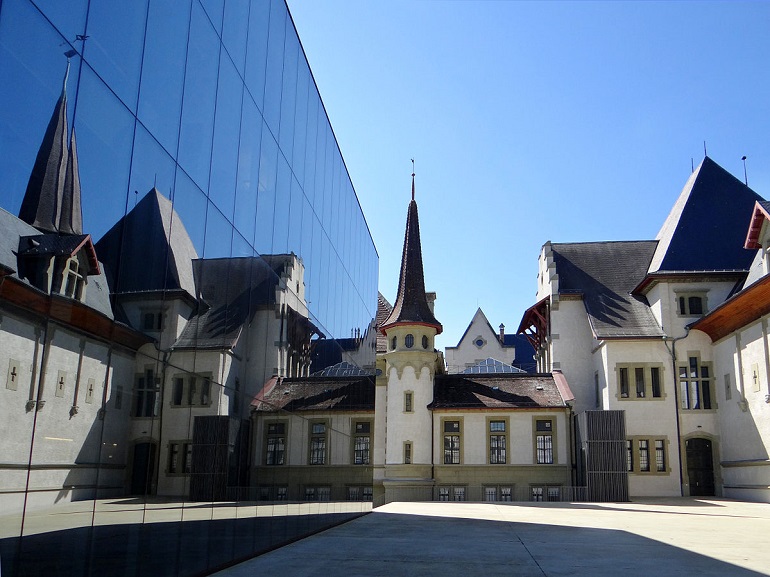
The Bernisches Historisches Museum ranks as Switzerland's second-largest cultural history museum, offering an encyclopaedic exploration of Swiss heritage through multiple permanent exhibitions. The museum's archaeological section features remarkable finds from prehistoric settlements, Roman sites, and medieval excavations throughout the region, providing insight into thousands of years of human habitation in the Bernese lands.
The ethnography collection showcases cultural artefacts from around the world, with particularly strong holdings from Asia, Africa, and Oceania, reflecting Switzerland's historical trading relationships and colonial connections. The regional history displays chronicle the development of Bern from its medieval origins through its emergence as a major European political centre.
Within the same building, the Einstein Museum pays homage to Albert Einstein's transformative years in Bern (1902-1909), during which he developed his special theory of relativity while working at the Swiss Patent Office. The exhibition features original documents, scientific instruments, and multimedia presentations that illuminate Einstein's daily life, his scientific breakthroughs, and his complex relationship with fame and politics. Personal artefacts, including letters and photographs, provide intimate glimpses into the physicist's character and relationships.
Einstein House (Einsteinhaus)
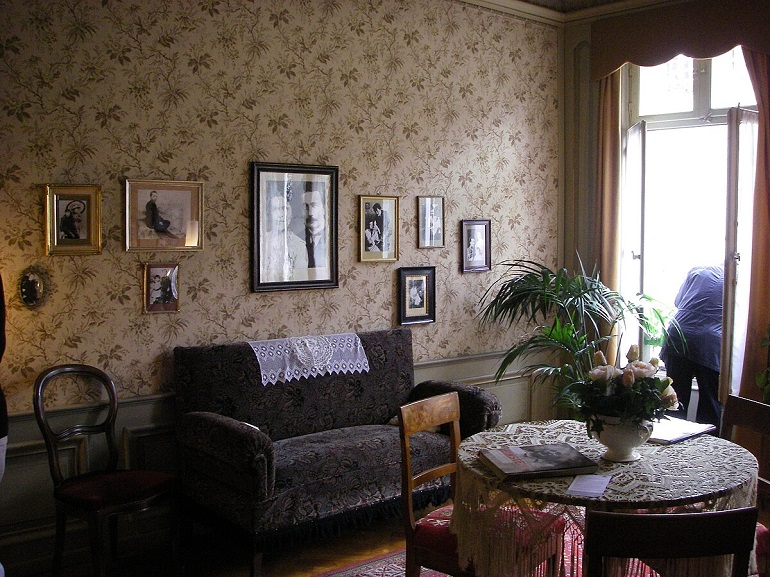
Located at Kramgasse 49, the Einstein House occupies the actual apartment where Einstein lived with his first wife Mileva Marić and their young son from 1903 to 1905. This historic residence has been carefully preserved and transformed into a biographical museum that recreates the domestic environment where some of the most revolutionary scientific ideas in human history were conceived.
The three-floor exhibition includes period furnishings, personal belongings, and scientific memorabilia that bring Einstein's Bernese period to life. Interactive displays and audiovisual presentations explore his scientific methodology, his relationship with contemporary physicists, and the broader cultural context of early 20th-century physics. The museum provides a uniquely intimate perspective on genius at work, showing how revolutionary ideas can emerge from seemingly ordinary domestic circumstances.
Museum of Communication
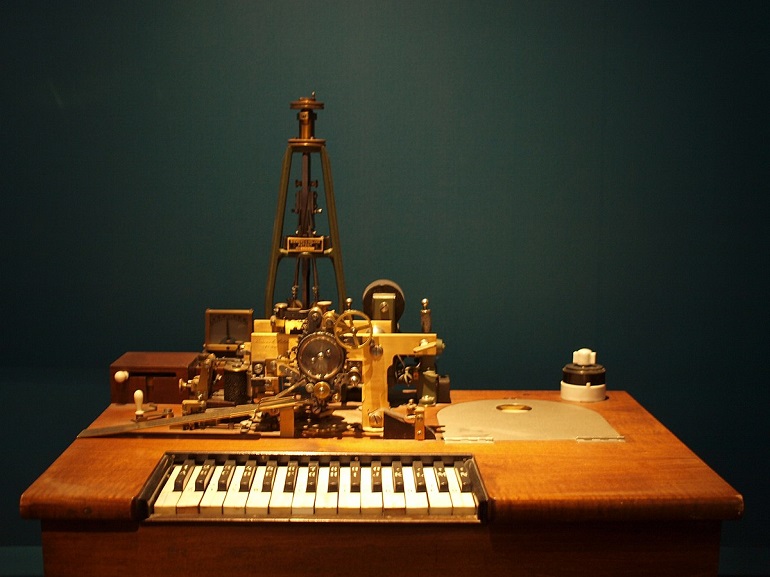
The Museum of Communication has established itself as one of Europe's most innovative institutions dedicated to exploring human communication across time and technology. The museum's core exhibition, "Hilltop fires, smartphones and cyborgs", traces the evolution of communication from ancient smoke signals to contemporary digital networks and artificial intelligence.
Interactive installations allow visitors to engage directly with communication technologies, from operating historical telegraph equipment to exploring virtual reality environments that demonstrate future communication possibilities. The museum's hands-on approach makes complex technological concepts accessible to visitors of all ages, with particular strength in explaining the social and cultural impacts of communication evolution.
Temporary exhibitions frequently address contemporary issues such as social media's impact on society, digital privacy concerns, and the role of artificial intelligence in human communication. The museum's forward-looking perspective makes it particularly relevant for understanding how communication technologies continue to reshape human experience.
Science and Natural History Museums
Natural History Museum Bern (Naturhistorisches Museum Bern)
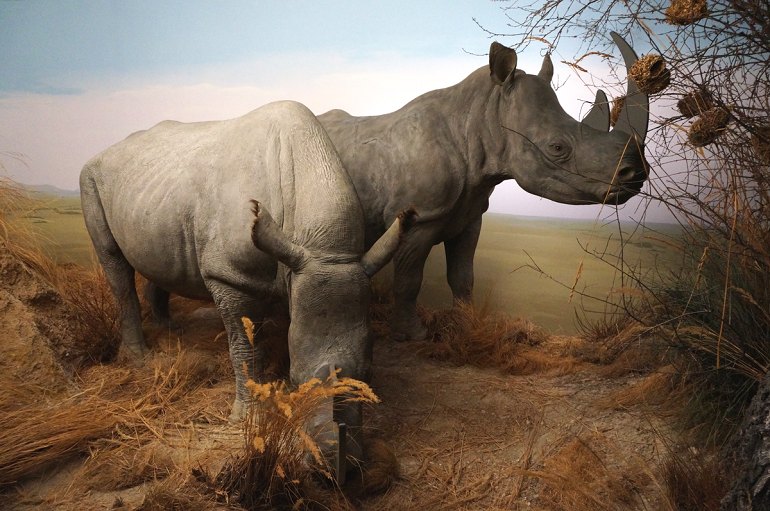
The Natural History Museum Bern houses one of Switzerland's most comprehensive natural history collections, renowned for both its scientific significance and its educational impact. The museum's most famous resident is Barry, the legendary St. Bernard, whose heroic rescues in the Swiss Alps have made him a national symbol. The Barry exhibition explores not only his remarkable story but also the broader history of mountain rescue operations and the relationship between humans and working dogs.
The "Giant crystals – the Planggenstock treasure" exhibition showcases spectacular mineral formations discovered in the Swiss Alps, including some of the largest and most perfectly formed crystals ever found. These geological marvels demonstrate the extraordinary forces that shaped the Alpine landscape over millions of years.
"Fins-feet-wings: the story of vertebrate evolution" takes visitors on a comprehensive journey through evolutionary history, using fossils, reconstructions, and interactive displays to illustrate how vertebrates adapted to different environments. The exhibition's scientific accuracy combined with engaging presentation makes complex evolutionary concepts accessible to general audiences.
The regional fauna sections include "Animals of Switzerland" featuring capercaillie, ibex, and other native species, and "Animals of Africa" with impressive displays of gorillas, lions, and other African wildlife. These diorama-style presentations combine taxidermy specimens with habitat recreations that provide educational context about ecological relationships and conservation challenges.
"Beetles and co. – the colourful world of invertebrates" celebrates the diversity of insects and other small creatures, highlighting their crucial ecological roles and remarkable adaptations. Special temporary exhibitions such as "Insect mortality: All will be well" address contemporary environmental concerns and the importance of insect conservation.
Swiss Alpine Museum
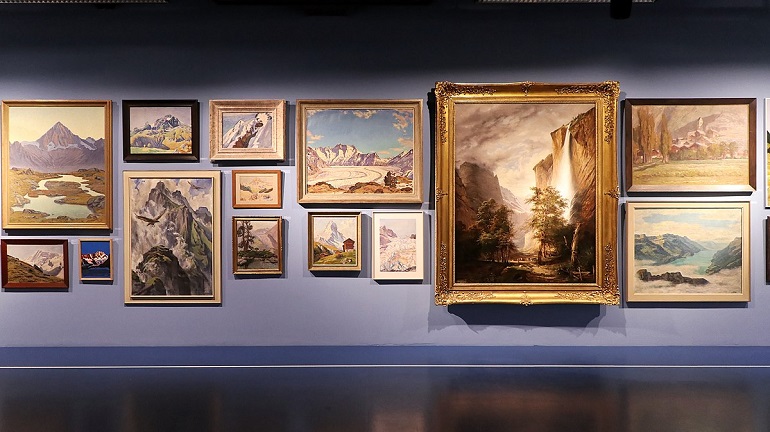
The Swiss Alpine Museum provides an unparalleled exploration of the cultural, ecological, and social dimensions of Alpine life. Located at Helvetiaplatz, the museum examines the multifaceted relationships between mountain environments and human communities throughout history.
Permanent exhibitions explore traditional Alpine agriculture, the development of mountaineering as both necessity and sport, and the evolution of Alpine tourism from 19th-century Grand Tour destinations to modern ski resorts. The museum's ethnographic approach illuminates how mountain communities developed unique cultural traditions adapted to challenging environments.
Contemporary exhibitions address current Alpine issues including climate change impacts on glacier systems, sustainable mountain tourism, and the preservation of traditional Alpine knowledge in an increasingly globalised world. The museum serves as an important research centre for Alpine studies, contributing to scholarly understanding of mountain ecosystems and cultures.
Specialised and Unique Museums
Museum Franz Gertsch
Located in Burgdorf, just outside Bern, the Museum Franz Gertsch celebrates one of Switzerland's most significant contemporary artists. Gertsch, renowned for his hyper-realistic paintings and monumental woodcuts, developed a distinctive artistic language that bridges traditional techniques with contemporary subject matter.
The museum's permanent collection showcases Gertsch's artistic evolution from his early figurative works through his groundbreaking large-scale portraits to his later nature studies. His woodcut series, particularly those depicting grass and forest scenes, demonstrate extraordinary technical mastery whilst exploring themes of time, memory, and perception.
Current special exhibitions such as "Louisiana Visits Franz Gertsch: Post-War and Contemporary Art in Dialogue" place Gertsch's work in international context, demonstrating his influence on contemporary artistic practice.
Psychiatrie-Museum Bern
The Psychiatrie-Museum offers a unique and important perspective on the history of mental health treatment and the evolution of psychiatric understanding. The museum houses the Walter Morgenthaler Collection, featuring artistic creations by psychiatric patients that challenge conventional boundaries between art and therapy.
This collection includes works by patients who used artistic expression as part of their therapeutic process, providing insight into alternative forms of communication and creative expression within medical contexts. The museum's approach emphasises dignity and respect whilst exploring historically sensitive topics related to mental health treatment.
Swiss Shooting Museum (Schweizer Schützenmuseum)
This distinctive museum celebrates Switzerland's unique marksmanship traditions and the cultural significance of shooting sports in Swiss society. The collection includes antique and modern firearms, traditional costumes worn during shooting festivals, and historical documents that trace the evolution of Swiss shooting culture from medieval military requirements to contemporary sporting traditions.
The museum provides context for understanding Switzerland's relationship with firearms within a cultural and historical framework, exploring how marksmanship became integrated into Swiss national identity and community life.
Robert Walser-Centre
The Robert Walser-Centre celebrates one of Switzerland's most enigmatic literary figures through the exhibition "Carl Seelig's Walks with Robert Walser". This unique museum explores Walser's final years through the perspective of his guardian and biographer Carl Seelig, who documented their regular walks around the Bern area.
The exhibition uses manuscripts, photographs, and personal documents to illuminate Walser's complex personality and his profound influence on 20th-century literature. The centre serves as both museum and research facility, contributing to ongoing scholarly understanding of this important but often overlooked literary voice.
Burgdorf Castle Museums
Burgdorf Castle houses multiple museum experiences within its historic walls. "Women of action: Women's stories from Burgdorf and the Emmental" challenges traditional historical narratives by highlighting the contributions of women throughout regional history, from medieval times through the modern era.
"The Cabinets of Curiosities" recreates the wonder of early modern collecting, featuring unusual objects, natural specimens, and cultural artefacts that reflect historical approaches to understanding the world. This exhibition explores the origins of museum culture and the human impulse to collect and categorise knowledge.
"Freiheit!" (Freedom!) examines concepts of freedom and liberation throughout Swiss history, exploring how different groups have struggled for political, social, and cultural autonomy.
Landshut Castle - Swiss Game and Hunting Museum
Landshut Castle, perched dramatically above the Emme valley, houses Switzerland's premier game and hunting museum. The museum explores the complex relationships between humans and wildlife throughout Swiss history, from prehistoric hunting practices to contemporary wildlife management.
Permanent exhibitions include "Humans and game in agricultural landscapes," which examines how farming practices have shaped wildlife habitats, and "On the trail of hunting in Switzerland from the Paleolithic Age to the present day," providing comprehensive historical context for hunting traditions.
Specialised collections feature "Falconry – a bird ON the hand," exploring this ancient hunting technique, and extensive displays of historical firearms used by Swiss hunters. The "Decoys" collection showcases the artistry and craftsmanship involved in traditional hunting equipment.
The Playing Collection
This unique museum celebrates the art and science of musical instruments, featuring wind instruments from across three centuries. The collection emphasises hands-on engagement, allowing visitors to try playing various instruments under expert guidance.
"AMOR & ECHO: Inventions for musical instruments" explores innovative approaches to instrument design and the creative process of musical instrument making. The museum combines historical preservation with active musical education, maintaining the living traditions associated with musical performance.
Sensorium Rüttihubelbad
The Sensorium offers an extraordinary experiential museum dedicated to sensory perception and human consciousness. The permanent exhibitions "Leben ist Schwingung" (Life is Vibration) and "Vita und Werk Hugo Kükelhaus" explore the philosophical and scientific understanding of human sensory experience.
Through interactive installations and experimental environments, visitors explore how perception shapes understanding and how different sensory experiences can alter consciousness. The museum represents a unique fusion of scientific inquiry, artistic expression, and philosophical investigation.
Swiss Archive of the Performing Arts (SAPA)
SAPA preserves and presents Switzerland's rich theatrical heritage through its exhibition "Theatre in past and present". The archive houses extensive collections of programmes, photographs, costumes, and set designs that document the evolution of Swiss theatre from traditional folk performances to contemporary experimental works.
The museum provides essential documentation of cultural continuity and change, showing how theatrical traditions have adapted to social and technological changes whilst maintaining their essential role in Swiss cultural life.
Local Cuisine
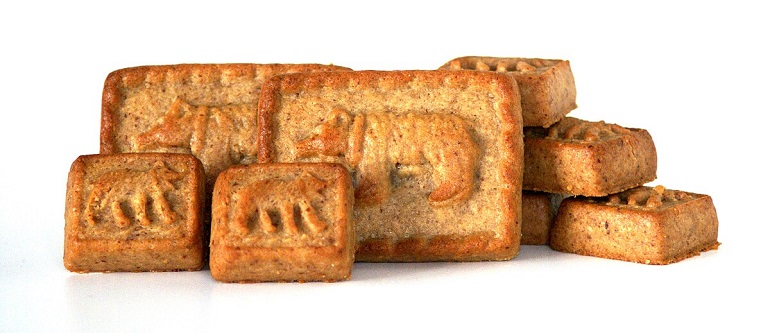
Bern's culinary landscape reflects the hearty, comfort-focused traditions of German-speaking Switzerland, offering visitors an authentic taste of alpine fare that has sustained locals for centuries. The city's most celebrated dish is the Berner Platte, a magnificent platter featuring an assortment of meats including beef, smoked pork, tongue sausage, and bacon, traditionally served alongside juniper-spiced sauerkraut, pickled turnips, beans, and boiled potatoes—a feast that originated from a victory celebration in 1798. Equally beloved is rösti, the quintessential Swiss dish of golden, crispy grated potatoes that often accompanies meals or stands alone as a main course when topped with cheese, bacon, or a fried egg. Sweet traditions include the distinctive Haselnusslebkuchen (hazelnut gingerbread), which unusually contains no flour and minimal spices, instead relying on ground hazelnuts, sugar, and egg whites for its marzipan-like texture. The city's culinary calendar peaks during November's Zibelemärit (onion market), where locals celebrate with Zibelechueche, a savoury onion tart that perfectly captures the season. Visitors can also indulge in cloud-like meringues served with generous dollops of cream, sample the region's famous Emmental cheese that originated in Bern's valleys, or enjoy fresh Zopf, the traditional Sunday braided bread that graces local tables.
Shopping
Bern offers a delightful shopping experience centred around its UNESCO World Heritage Old Town, which features six kilometres of covered arcades ('Lauben') - one of Europe's longest weather-protected shopping promenades. The main shopping thoroughfares, Spitalgasse and Marktgasse, house luxury boutiques offering watches, jewellery, and upmarket fashion, whilst the historic Kramgasse showcases unique local designs and speciality shops. The city's medieval architects cleverly designed vaulted cellars beneath the buildings, which today host trendy boutiques and studios. Markets are a significant part of Bern's shopping culture, with regular food and flower markets held on Tuesdays and Saturdays at Bundesplatz, Waisenplatz and Bärenplatz, whilst special events like the Geranium Market in April and the Christmas Markets during Advent add seasonal charm. Most shops operate Monday to Friday from 09:00 to 19:00 (with late-night shopping until 21:00 on Thursdays) and Saturdays from 08:00 to 17:00, though they typically remain closed on Sundays.
Nature in and around Bern
Bern offers a remarkable array of natural attractions that showcase Switzerland's stunning landscapes. The city itself features the enchanting Rose Garden, with its 250 varieties of roses and spectacular city views, whilst the mighty Aare River winds through the heart of the city, providing a popular spot for summer swimming and riverside activities. Just outside Bern, three magnificent nature parks await exploration: the Gantrisch Nature Park spans 402 square kilometres between Bern, Thun and Fribourg, offering diverse landscapes and wildlife spotting opportunities; the Diemtigtal Nature Park presents excellent hiking trails along rivers and mountain meadows; and the Parc Chasseral amazes visitors with its pastured woodlands, moor landscapes and steep rocks. For panoramic views of the city and the Bernese Alps, one can take the funicular up to Gurten, Bern's local mountain standing at 858 metres, which offers an extensive network of walking and cycling trails. The region also boasts several stunning bodies of water, including Lake Thun and Lake Brienz, both perfect for water sports and lakeside relaxation.
Gardens and Parks
Rosengarten
Featuring over 200 varieties of roses, the Rosengarten sits on a hillside above the old town and affords sweeping views across Bern's iconic rooftops to the distant Alps. In addition to its seasonal cherry trees, rhododendrons and irises, the garden includes picnic spots, a playground, and several paths perfect for strolling. Its tranquillity and panoramic vistas make this park one of the city's most beloved spaces.
Kleine Schanze
The Kleine Schanze provides a charming hilltop retreat with expansive lawns, historic monuments, and a delightful music pavilion. This elevated park offers spectacular city views and serves as a peaceful oasis where visitors can enjoy picnics or simply relax amidst well-maintained gardens. The combination of historical significance and scenic beauty makes it an essential stop for those seeking respite from urban exploration.
Münsterplattform
The Münsterplattform is a peaceful terrace adjoining the cathedral and offering some of the best views of the river Aare and Bern's historic old town. Well-equipped with picnic tables and a playground, it invites relaxation amidst shady trees, making it a popular choice for locals during lunch breaks and weekend outings. From here, the city's landmarks unfold in glorious perspective.
Botanical Garden
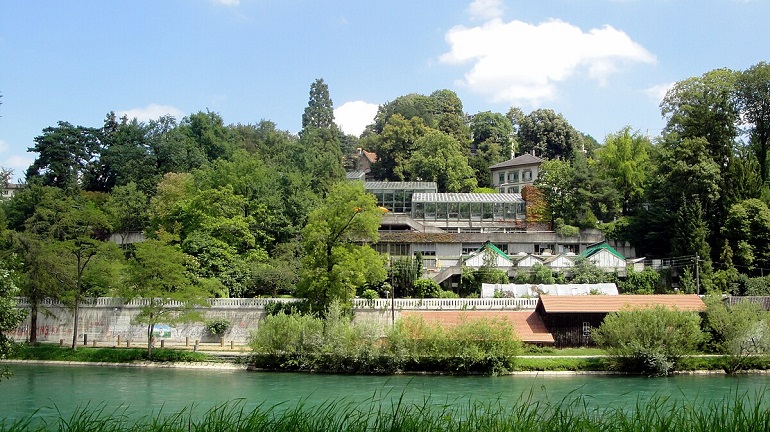
The University of Bern's Botanical Garden, established in 1860, features thousands of plant species displayed both in greenhouses and outdoor settings. This living collection provides an educational journey through diverse ecosystems and climatic zones, making it particularly appealing to nature enthusiasts and families. The garden's peaceful paths and varied landscapes offer a refreshing contrast to the urban environment.
Liebefeld Park
On the southern edge of Bern, Liebefeld Park offers a serene green escape within easy reach of the centre. Dotted with mature trees, picnic facilities and winding trails, the park caters to families thanks to its well-furnished playground and lawns ideal for games or birthday gatherings. Hiking opportunities abound, and dogs are welcome throughout the open meadows.
Kocherpark
Kocherpark provides a welcoming space in western Bern for quiet reflection and casual strolls. Its charming layout, shaded areas and peaceful ambience appeal to those seeking a respite from city bustle. Highly accessible and dog-friendly, the park stands as a testament to Bern's commitment to liveable urban green spaces.
Wildlife Attractions
BearPark
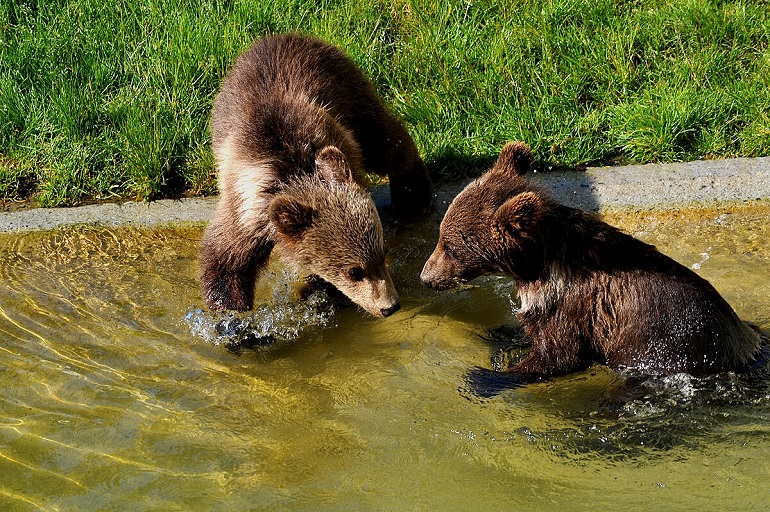
BearPark lies huddled along the scenic banks of the Aare river and pays homage to the city's most cherished symbol—the bear. Formerly a 19th-century pit, today it is a spacious, natural enclosure where brown bears roam and play, delighting adults and children alike. The park is open around the clock and blends hilly terrain and riverside charm, making it an appealing stroll just steps from Bern's old town.
Stiftung Bärenpark Bern
Adjacent to BearPark, Stiftung Bärenpark Bern provides a spacious riverside sanctuary for three brown bears, reflecting the long legacy of bears in Bern's heritage. Guided tours are available for those seeking deeper insight, while well-maintained paths wind through parkland where visitors can observe the bears' activities. The site is accessible and suited for leisurely walks at any time of day.
Getting There & Around
Getting to Bern
By train offers the most convenient and scenic route to Switzerland's capital, with Bern's centrally located railway station providing excellent connections throughout Europe and the Swiss network, typically requiring one or two changes when travelling from major European cities such as Brussels, Paris, or Frankfurt, with journey times ranging from 7-9 hours depending on your departure point.
By coach presents a budget-friendly alternative, with operators like FlixBus running regular services from major European cities to Bern's Car Terminal Neufeld, though journey times are longer at approximately 9-11 hours from destinations such as Brussels, making this option ideal for travellers prioritising economy over speed.
By car provides maximum flexibility for exploring Switzerland, with Bern accessible via well-maintained motorways from across Europe—approximately 6.5 hours from Brussels covering 628 kilometres—though visitors should be prepared to use public car parks as city centre parking can be challenging, with Bern Tourism recommending combining driving with public transport or walking to explore the pedestrian-friendly Old Town.
Getting around Bern
Getting around Bern is remarkably straightforward thanks to the city's compact size and excellent transport infrastructure. The historic city centre is easily walkable, with most major attractions within comfortable walking distance of each other. For longer journeys, Bernmobil operates an efficient network of trams, buses, and trolley lines that provide frequent and punctual services throughout the city. Overnight visitors receive a complimentary Bern Ticket from their accommodation, which grants free travel on all public transport within the city centre zones, including the scenic Gurten and Marzilibahn funiculars. The tram system, with five lines covering the city, is particularly convenient and runs on metre-gauge tracks with modern, low-floor vehicles. For those preferring to cycle, PubliBike offers a comprehensive bike-sharing scheme with over 70 stations around town, accessible through their mobile app. Night owls can take advantage of the Moonliner night bus service, which operates 24 routes from the railway station square on Thursday, Friday, and Saturday evenings. Whilst taxis are available, the combination of walkability and excellent public transport makes Bern one of Europe's easiest cities to navigate without a car.
Best Time to Visit
The optimal time to visit Bern is between May and September when the weather is mild and pleasant, with average temperatures ranging from 14°C to 24°C. During this period, the city comes alive with outdoor activities, open-air markets, and the famous Aare river becomes suitable for swimming. Whilst July and August constitute the peak tourist season with higher accommodation prices and larger crowds, the shoulder months of May, June, and September offer equally delightful conditions with fewer tourists and more reasonable rates. The summer months may experience some rainfall, though this rarely disrupts sightseeing plans, and the city's charming covered arcades provide excellent shelter. For those seeking to experience Bern's cultural events, summer brings numerous festivals, including the Gurtenfestival in July and the Bern Buckers' Street Music Festival in August.