


 Bulgaria Guide
 Greece Guide
| Contents |
|---|

Introduction
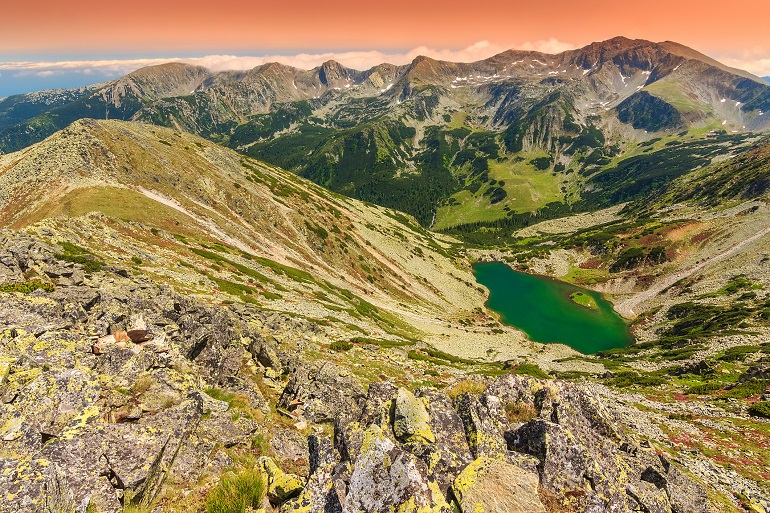
Retezat National Park, located in the western part of Romania's Southern Carpathians in Hunedoara County, is the country's oldest national park, established in 1935. This pristine wilderness area spans approximately 38,047 hectares (94,020 acres) and features over 60 peaks exceeding 2,300 metres, including Peleaga, the highest at 2,509 metres. The park is renowned for its remarkable biodiversity, with about 1,190 plant species representing more than a third of Romania's flora, and is home to 55 mammal species including brown bears, wolves and lynx. Perhaps most famous are its 80 glacial lakes, including Bucura, the largest in Romania, and Zanoaga, the deepest at 29 metres. Retezat also harbours one of the few remaining intact old-growth forest landscapes in Europe, making it a paradise for hikers, wildlife enthusiasts and nature photographers alike.
Geography and Landscape
Geography
The park is dominated by the Retezat-Godeanu mountain ranges, with the Retezat range extending northward from the centre. These mountains rise dramatically between the Petrosani and Hateg tectonic hollows, creating a landscape of striking contrasts and rugged beauty.
Geologically, the park is a complex tapestry of Paleozoic and Mesozoic formations, with patches of Superior Jurassic and Inferior Cretaceous limestones found on the eastern periphery of the Retezat (the Tulisa crest) and in the south-southwest (Retezatul Mic). The northern face of the mountains features crystalline formations of the getic layer, which stretch beneath the sediments of the Hateg and Petrosani hollows.
Landscape Features
Peaks and Ridges
Retezat National Park boasts an impressive array of mountain peaks, with over 50 summits exceeding 2,000 metres in height. The park's namesake, Retezat Peak, stands at 2,485 metres and is easily identifiable due to its distinctive 'cut' mountaintop (Retezat means 'cut' in Romanian). Other notable peaks include Peleaga (2,509 metres) and Păpușa (2,508 metres), which rank among the highest in Romania.
Glacial Lakes
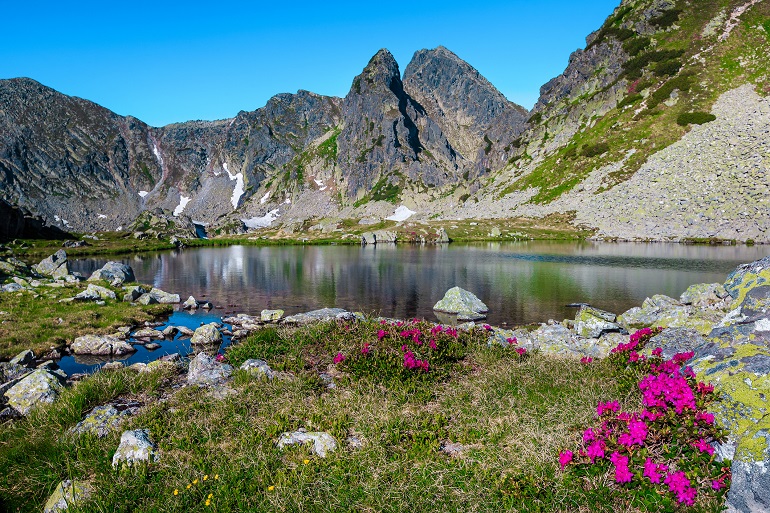
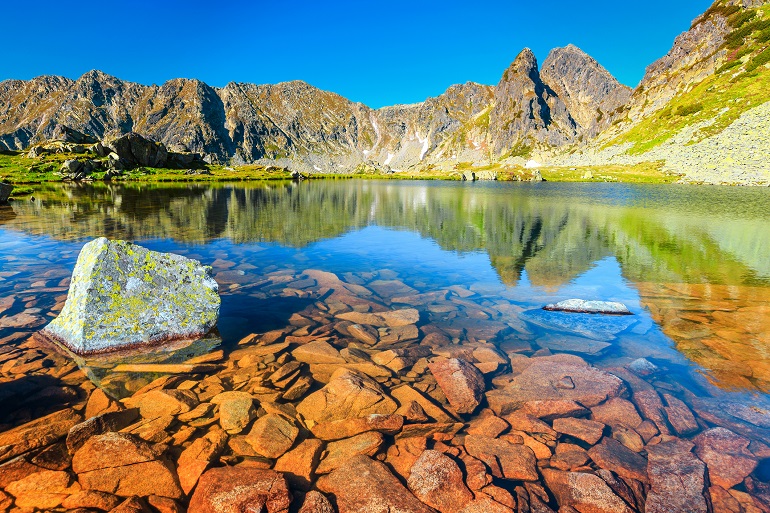
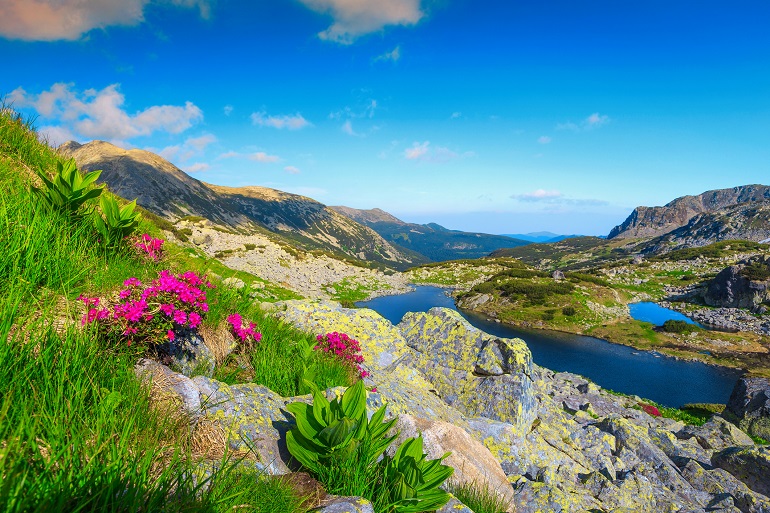
One of the park's most remarkable features is its abundance of glacial lakes, with over 80 scattered across the landscape. These crystal-clear bodies of water, remnants of the area's glacial history, range in size and depth. The largest, Bucura Lake, covers an impressive 8.8 hectares, while Zanoaga Lake boasts a maximum depth of 29 metres.
Valleys and Cirques
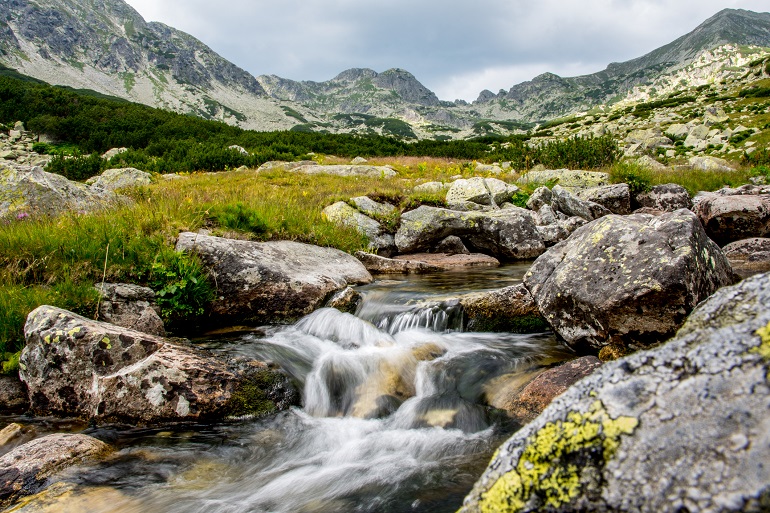
The park's topography is characterised by broad, rounded alpine valleys and cirques, sculpted by ancient glaciers. These U-shaped valleys, such as Galeșul and Valea Rea, offer stunning vistas and serve as natural amphitheatres for the park's numerous lakes and streams.
Forests and Alpine Meadows
Approximately 49% of the park is covered in forests, with beech, spruce, and fir being the predominant species. As visitors ascend, they encounter sub-alpine and alpine meadows, which give way to rocky terrain and scree slopes at higher elevations.
Hydrological Features
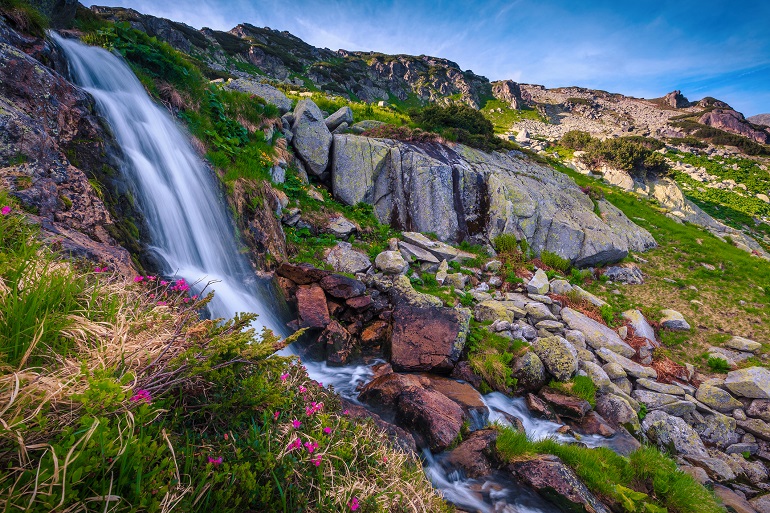
The dense network of rivers and streams in Retezat National Park is a testament to its abundant water resources. The river network is particularly dense in the Strei hydrographic basin, with 0.8-1.0 km of waterways per square kilometre.
Flora and Fauna
Flora
The park is renowned for its remarkable floral diversity, harbouring approximately 1,190 plant species, which represents more than a third of Romania's entire flora. Of these, 90 species are endemic to the region, whilst 130 are classified as endangered or vulnerable. The park's varied habitats, ranging from old-growth beech forests to alpine grasslands, contribute to this rich botanical tapestry.
Notable plant communities include:
- Mountain pine and juniper habitats
- Spruce and rhododendron forests
- Old-growth beech forests
- Alpine meadows
The park is home to one of Europe's last intact old-growth forest landscapes, with the Gemenele scientific reserve protecting 1,800 hectares of pristine mixed forest.
Fauna
The Retezat National Park is a sanctuary for an impressive array of animal species:
Mammals: The park hosts 55 species of mammals, representing over 23% of Europe's terrestrial mammal species. Visitors might encounter:
- Large carnivores: Brown bears, grey wolves, and Eurasian lynx
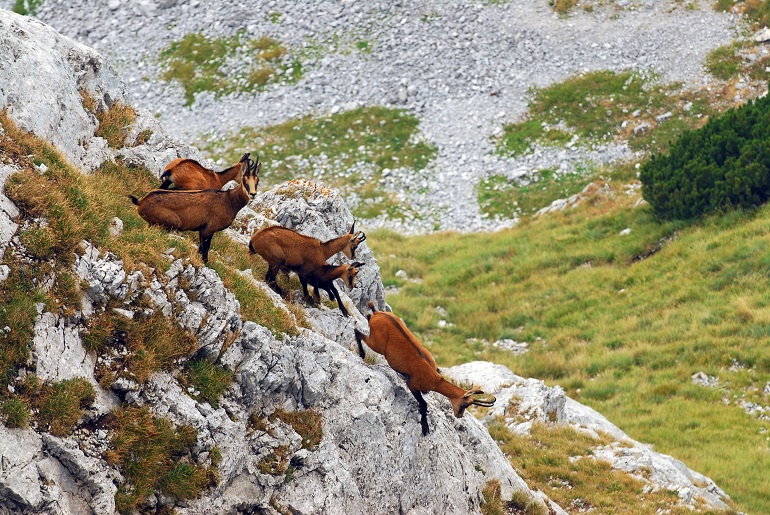
- Herbivores: Chamois, red deer, and roe deer
- Small carnivores: European wildcats, Eurasian badgers, and otters
Birds: With more than 120 nesting bird species, the park is a birdwatcher's paradise. Some notable species include:
- Raptors: Golden eagle, lesser spotted eagle, and peregrine falcon
- Forest dwellers: Western capercaillie, black woodpecker, and collared flycatcher
- Alpine species: Black grouse and horned lark
Invertebrates: The park is particularly famous for its butterfly diversity, with over 1,100 species identified. Two areas within the park have been designated as Prime Butterfly Areas, highlighting their importance for lepidoptera conservation.
Fish, Reptiles, and Amphibians: The park's diverse ecosystems support 8 fish species, 5 reptile species, and 7 amphibian species.
For wildlife enthusiasts, the Retezat National Park offers a unique opportunity to observe some of Europe's most iconic species in their natural habitat. However, visitors should remember to maintain a safe distance from wildlife, especially large carnivores like bears, and adhere to park regulations to ensure both their safety and the protection of this remarkable ecosystem.
Activities and Attractions
Hiking Trails
Popular Day Hikes
Bucura Lake Trail - In addition to the information provided earlier, it's worth noting that the trail to Bucura Lake offers diverse landscapes, including alpine meadows and rocky terrain. Along the way, hikers can spot various wildflowers in spring and summer. The lake itself, at an altitude of 2,040 metres, is surrounded by seven peaks over 2,300 metres, creating a dramatic backdrop.
Peleaga Peak Trail - Expanding on this trail, the route from Lake Bucura to Peleaga Peak involves navigating through rocky terrain and some steep sections. The final ascent requires some scrambling. On clear days, hikers can see as far as the Făgăraș Mountains to the east and even catch a glimpse of the Danube to the south.
Retezat Peak Trail - To add more detail, the trail to Retezat Peak (2,482 metres) offers varied terrain, including dense forests in the lower sections and rocky alpine landscapes higher up. The peak's distinctive flat top, which gives the mountain its name ('retezat' means 'cut off' in Romanian), provides a unique photo opportunity.
Galesu Lake Trail - This trail also passes by several other smaller glacial lakes, including Stânișoara and Pietrele. The route offers opportunities to observe alpine flora, including gentians and edelweiss in season.
Poiana Pelegii to Bucura Lake - This trail passes through beautiful spruce and fir forests before opening up to alpine meadows. Hikers often spot marmots along this route, especially in the early morning or late afternoon.
Additional Day Hikes
Zănoaga Lake Trail - This circular route starts and ends at Cabana Buta, taking hikers to Zănoaga Lake, one of the deepest glacial lakes in the Retezat Mountains. The trail, about 12 km long, takes approximately 6-7 hours and offers stunning views of the surrounding peaks.
Pietrele Lake Circuit - A moderate 10 km trail starting from Cabana Pietrele, this circular route takes hikers past several glacial lakes, including Pietrele, Galeșu, and Ana. The hike typically takes about 5-6 hours and offers diverse landscapes from forests to alpine meadows.
Multi-Day Adventures
Retezat Mountains 9-Day Hiking Tour - This challenging trek allows hikers to experience the full range of Retezat's landscapes. It typically includes summiting major peaks like Peleaga, Retezat, and Păpușa, as well as visiting numerous glacial lakes. Hikers usually stay in mountain huts or camp along the route.
The Retezat Trail - This trail typically starts in Cârnic and ends in Poiana Pelegii, passing through the heart of the Retezat massif. Hikers traverse diverse terrains, from beech forests to alpine meadows and rocky peaks. The trail passes by numerous lakes, including Zănoaga, Slăveiu, and Bucura.
Bucura Lake Circuit - This route offers panoramic views of the Retezat Mountains and passes by several other glacial lakes, including Ana, Lia, and Florica. The trail is steep in places and requires good physical condition.
Rock Climbing and Mountaineering
For those seeking more vertical challenges, Retezat offers several opportunities:
Peleaga Peak via Bucura Ridge - This route combines hiking with some easy scrambling and is suitable for those with some mountaineering experience. The ridge offers spectacular views of the surrounding peaks and valleys.
Retezat Peak North Face - For experienced climbers, the north face of Retezat Peak presents a challenging multi-pitch climb. Proper equipment and experience are essential.
Cycling
While mountain biking is not allowed within the national park boundaries, there are several cycling routes in the surrounding areas:
Retezat Bike Trail - This 100 km marked trail circles the national park, offering stunning views of the mountains and passing through traditional villages. The trail is suitable for mountain bikes and takes 2-3 days to complete.
Canyoning
The rivers flowing from the Retezat Mountains offer opportunities for canyoning:
Lăpușnicu Mare Canyon - Located on the southern edge of the park, this canyon offers a mix of hiking, swimming, and rappelling. Guided tours are available for this activity.
Cultural Attractions
Beyond its natural splendour, the area surrounding Retezat National Park boasts several cultural and historical attractions:
Densuș Church - This 13th-century church is unique for its unusual architecture, which incorporates Roman ruins and pagan symbols. The interior features well-preserved frescoes dating back to the 15th century.
Cetatea Mălăieşti - This 14th-century fortress offers a glimpse into medieval Romanian history. Visitors can explore the well-preserved walls and towers, and enjoy panoramic views of the surrounding countryside.
Muzeul Satului Hațegan - This open-air museum features over 20 traditional houses and structures from the Hațeg region. Visitors can learn about traditional crafts, agricultural practices, and daily life in rural Romania.
Orașul Antic Sarmizegetusa Ulpia Traiana - The ruins of this ancient Roman city include an amphitheatre, temples, and a forum. Guided tours are available to help visitors understand the historical significance of the site.
Other Natural Attractions
Some of the other natural attractions in the area include:
Cascada Lolaia - This 15-metre waterfall is particularly impressive in spring when snowmelt increases its volume. A short hiking trail leads to the base of the falls.
Cascada Maria Magdalena - Located near the village of Râu de Mori, this waterfall is easily accessible via a short trail. The surrounding beech forest provides a peaceful setting for picnics.
Scorota Gorges - These limestone gorges feature interesting rock formations and a series of small waterfalls. A marked trail allows visitors to explore the gorges safely.
Winter Activities
During the winter months, the area offers opportunities for winter sports:
Pârtia de ski Râușor - This ski resort offers 5 km of slopes suitable for beginners and intermediate skiers. Equipment rental and ski lessons are available. The resort also features a snow park for snowboarders.
Snowshoeing - Several marked trails in the lower areas of the park are suitable for snowshoeing in winter. Guided tours are available for those new to the activity.
Practical Information
When planning a visit to Retezat National Park, it's important to note that facilities within the park are limited. Visitors should be self-sufficient and well-prepared. The nearest towns with full amenities are Hațeg and Petroșani.
Park entry requires a permit, which can be obtained at entry points or online. Camping is only allowed in designated areas, and fires are strictly prohibited outside of designated fire pits.
The park is home to a significant brown bear population. Visitors should take appropriate precautions, such as making noise while hiking and properly storing food.
For those looking to explore the park with expert guidance, several local companies offer guided hikes and tours, ranging from day trips to multi-day expeditions.
Remember to adhere to the 'Leave No Trace' principles to help preserve the park's natural beauty for future generations.
Accommodation
Within the Park
Mountain Huts and Refuges
For those seeking a true mountain adventure, the park offers a network of basic mountain huts and refuges. These simple shelters provide essential protection from the elements and are strategically placed throughout the park. They are primarily used by hikers and mountaineers embarking on multi-day treks. It's important to note that during summer, some of these huts are occupied by rescue teams and may only be available to tourists in emergency situations.
Camping
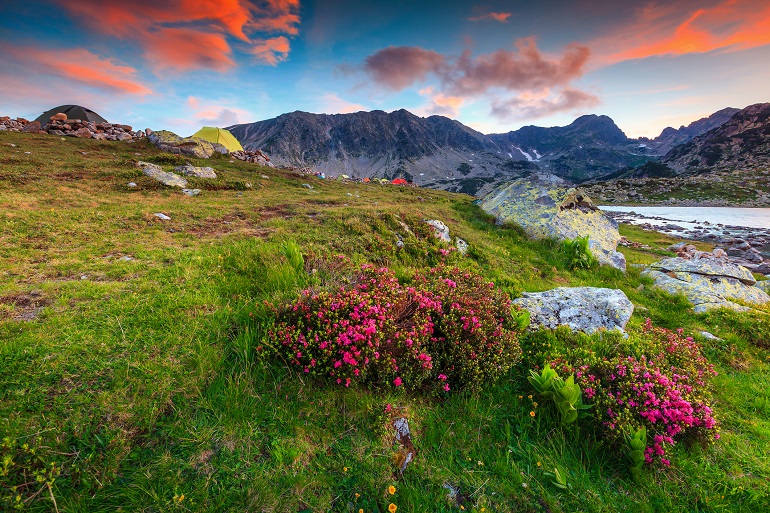
Camping is a popular option for visitors who wish to immerse themselves in the park's natural beauty. However, it's crucial to remember that camping is only permitted in designated areas within the park. These official campsites are equipped with basic facilities and offer a chance to sleep under the stars amidst breathtaking scenery.
Near the Park
Chalets and Guesthouses
For those preferring more comfortable accommodation, there are several chalets and guesthouses located just outside the park boundaries. These establishments range from rustic mountain lodges to more modern facilities, offering a variety of amenities to suit different preferences and budgets.
Village Accommodation
The villages surrounding Retezat National Park provide an excellent base for exploring the area. Many local families offer rooms or small guesthouses, providing an opportunity to experience traditional Romanian hospitality and cuisine. This option is ideal for those who want to combine their nature excursions with a taste of local culture.
Booking and Preparation
It's advisable to book accommodation in advance, especially during peak summer months and weekends. The park administration does not manage bookings for private establishments, so visitors should contact accommodations directly.
When staying within the park, be prepared for basic facilities and bring appropriate camping gear if required. For all types of accommodation, it's wise to pack warm and waterproof clothing, as mountain weather can be unpredictable even in summer.
Gastronomy
Traditional Romanian Fare
The park's culinary offerings are deeply rooted in Romanian tradition. Hikers and nature enthusiasts can fuel their adventures with robust meals featuring:
- Mămăligă: A cornmeal porridge often served as a side dish or used as a base for other recipes.
- Ciorbă: Hearty soups, including varieties with meatballs or vegetables, perfect for warming up after a day of trekking.
- Sarmale: Cabbage rolls stuffed with a mixture of minced meat, rice, and spices.
- Mititei: Small, grilled skinless sausages, typically made from beef or a combination of beef and lamb.
Local Specialities
The Retezat area boasts its own unique flavours, influenced by the mountain environment:
- Freshwater fish: Dishes prepared with trout from the park's crystal-clear streams.
- Wild mushrooms: Seasonal fungi foraged from the forest, often incorporated into various dishes.
- Berries: Wild blueberries and other forest fruits, either eaten fresh or used in preserves and desserts.
Beverages
To complement the meals, visitors can enjoy:
- Țuică: A traditional Romanian plum brandy, perfect for warming up on cool mountain evenings.
- Local wines: Romanian wines from nearby regions, showcasing the country's viticultural traditions.
- Herbal teas: Infusions made from mountain herbs, offering a soothing end to an active day.
Dining Experience
Whilst formal restaurants may be limited within the park itself, visitors can enjoy meals at mountain huts or bring picnic supplies. The emphasis is on hearty, filling fare that provides energy for outdoor activities. Many dishes are prepared using locally sourced ingredients, ensuring a fresh and authentic taste of the region.
Travellers should note that due to the park's protected status, it's advisable to respect the environment and follow any guidelines regarding food consumption and waste disposal in designated areas.
Getting There and Around
By Car
The most convenient way to access Retezat National Park is by car. There are two main entry points from the north:
- Cârnic: Drive to Ohaba de sub Piatră via the E79 road, then continue for 17km to Cârnic through Mălăieşti and Nucşoara. The road becomes a bit rough after Nucşoara, but it's manageable. You can park your car in Cârnic for 10 lei per day.
- Râuşor: This is another northern entry point with available accommodation.
From the south, you can drive via Sarmizegetusa-Clopotiva-Gura Apelor Lake to Poiana Pelegii. This 50km journey takes about 2 hours due to deteriorating road conditions after Gura Zlata.
By Public Transport
Public transport options are limited, but some possibilities exist:
- Train: Take a train to Ohaba de sub Piatră station. There are two daily trains from Petroşani and one from Deva.
- Minibus: From Ohaba de sub Piatră, a minibus service operates to Cârnic. Contact Mr Victor Farcaş for arrangements, but note that he may only speak Romanian.
Entry Fees and Parking
At the park entrance, you'll need to pay:
- 10 lei per person for park entry
- 15 lei per car if driving into the park
Important Tips
Here are some important tips to keep in mind:
- The last stretch of road to Poiana Pelegii requires a vehicle with high ground clearance.
- There are no shops in the park area, so stock up on supplies beforehand.
- If you're planning to stay at Pietrele Cabana, make a reservation in advance by texting +40 722 715 595 (Vodafone) or +40 374 975 188 (Orange).
- The Romanian currency is the leu (plural: lei). Be sure to have some on hand for park fees and local expenses.
Best Time to Visit
The best time to visit Retezat National Park is typically in August, when the weather conditions are most favourable for hiking and outdoor activities. During this month, visitors can expect good weather with warm temperatures, averaging around 15°C to 23°C (59°F to 74°F).
Whilst August offers the most pleasant climate, the first half of the month is particularly recommended for optimal conditions. However, it's worth noting that the park can be enjoyed from late spring through early autumn, with each season offering its unique charm:
- May to July: The weather is generally tolerable, with temperatures ranging from 9°C to 23°C (49°F to 74°F). This period can be suitable for those who prefer cooler temperatures and don't mind a slightly higher chance of rainfall.
- September: Still offers tolerable weather conditions, with temperatures similar to those in May.
It's important to be aware that weather in mountain regions can be unpredictable. Even during the summer months, visitors should be prepared for sudden changes in weather, including the possibility of thunderstorms. When planning your trip, consider the following:
- Pack appropriate clothing: Bring wind- and rainproof gear, as well as warm layers, regardless of the season.
- Be prepared for varied conditions: The park's high altitude means weather can change rapidly, so flexibility in your plans is advisable.
- Water availability: While water is plentiful in the park, it's recommended to bring a water filter, especially if drinking from streams accessible to sheep.
- Camping considerations: If planning to camp, ensure you have a sturdy tent and plenty of pegs, as strong winds can occur, particularly around Bucura Lake.
Conservation and Responsible Tourism
Conservation Efforts
Retezat National Park, established in 1935, is a jewel of biodiversity and natural beauty in Romania's Carpathian Mountains. The park is renowned for its pristine landscapes, including over 60 peaks above 2,300 metres and approximately 80 glacier lakes.
The park is at the forefront of conservation in Romania, with several key initiatives:
- Biodiversity Protection: The park is home to exceptional biodiversity, boasting about 1,190 plant species, of which 130 are endangered or vulnerable. It also harbours one of Europe's last intact old-growth forest landscapes.
- Wildlife Conservation: The park provides a sanctuary for numerous species, including grey wolves, brown bears, Eurasian lynx, and various bird species. It's recognised as an Important Bird Area.
- Habitat Management: A project aims to inventory species and habitats of community interest, enhance their conservation status, and establish a continuous monitoring system.
- Scientific Research: The Gemenele scientific reserve, a strictly protected area of 1,800 hectares, serves as a crucial site for ecological studies.
Responsible Tourism
Visitors to Retezat National Park are encouraged to practice responsible tourism:
- Visitor Guidelines:
- Purchase a visiting ticket (10 RON per person, valid for 7 days).
- Respect wildlife, natural monuments, and protected areas.
- Stay on marked paths to avoid disturbing biodiversity.
- Camping is permitted only in designated areas.
- Waste Management: All waste, including biodegradable items, must be removed from the park and properly disposed of.
- Fire Safety: Wood and charcoal fires are prohibited. Use camping stoves for cooking.
- Water Protection: Do not pollute lakes, rivers, or springs with soap or detergents. Swimming in alpine lakes is forbidden.
- Eco-Tourism Initiatives: The park is part of the Țara Hațegului – Retezat eco destination, which promotes sustainable tourism practices.
- Educational Programmes: The park administration runs various educational initiatives, including:
- "Săptămâna Verde" (Green Week), engaging over 1,000 students in environmental activities.
- Junior Ranger programmes to foster environmental stewardship among young people.
Visitor Centres and Educational Facilities
Visitor Centres
The park boasts two main visitor centres:
- Nucsoara Visitor Centre: Located in Salasu de Sus, this centre serves as a primary information hub for visitors. Here, tourists can obtain walking maps and essential information about the park.
- Ostrovel Visitor Centre: This newly built facility is situated in Rau de Mori, providing another convenient point for visitors to gather information and prepare for their park experience.
Additionally, plans are underway to establish the Buta Information Point near Campu lui Neag in the southern part of the park, further expanding the network of information facilities.
Educational Programmes and Facilities
The Retezat National Park Administration runs various educational initiatives to promote environmental stewardship:
- Green Week: This national programme encourages pre-university educational institutions to dedicate a week to climate change and environmental protection. In 2023, over 1,000 students participated in activities related to this programme at Retezat National Park.
- Junior Ranger Programme: Launched in 2004, this programme offers local youth opportunities to engage in free activities and camps, as well as exchanges with Junior Rangers at both national and international levels.
- Volunteer Ranger Programme: Introduced in 2015, this initiative trains community volunteers to assist with monitoring and informational activities within the park.
The park also hosts several annual events, including:
- Retezat National Park Day: Junior Rangers participate in tracking and identifying wildlife footprints, enhancing their field observation skills.
- European Day of Parks: Activities are held at the Nucșoara Visitor Centre.
- Museum Night (Noaptea Muzeelor): Visitors can explore the park's natural and historical significance.