


 England Guide
 Scotland Guide
 Wales Guide
| Contents |
|---|
Introduction
Belfast, the capital of Northern Ireland, is a vibrant city with a rich history and modern attractions. Located on the banks of the River Lagan, it boasts a population of around 348,000 within the city limits and over 671,000 in the metropolitan area. Originally chartered as an English settlement in 1613, Belfast grew to become a major industrial centre, particularly known for linen manufacturing and shipbuilding. Today, the city offers visitors a blend of historical sites, cultural experiences, and contemporary amenities. Key attractions include the Titanic Belfast Museum, built on the site where the famous ship was constructed, the Victorian-era City Hall, and the bustling Cathedral Quarter with its restaurants, bars, and arts venues. Belfast also serves as an excellent base for exploring Northern Ireland's scenic coastline and landmarks such as the Giant's Causeway.
Interesting Facts about Belfast
- Belfast is home to Ireland's tallest building, the Obel Tower, which also houses the country's highest bar.
- The city's Albert Clock tower is sinking and leans by four feet.
- C.S. Lewis, author of The Chronicles of Narnia, was born in Belfast, and the nearby countryside inspired his famous works.
- Belfast's River Lagan, once polluted, is now home to diverse wildlife including seals, otters, and salmon.
- The city boasts the world's largest dry dock.
- Belfast's Linenhall Library, opened in 1788, is one of Ireland's oldest libraries and houses a large collection of Robert Burns' work.
- The famous Harland and Wolff cranes, nicknamed Samson and Goliath, are iconic landmarks of the city's skyline.
- Led Zeppelin first performed their legendary song 'Stairway to Heaven' at Belfast's Ulster Hall in 1971.
- The Great Light on Belfast's Maritime Mile features one of the largest optic lights ever made, weighing 10 tonnes and standing seven metres tall.
- Actor Liam Neeson had his stage premiere at Belfast's Lyric Theatre in 1976.

History
The city's name, derived from the Irish 'Béal Feirste' meaning 'mouth of the sandbar', reflects its origins as a small village situated at the marshy ford where the River Lagan meets the River Farset. The area's earliest permanent settlements were established during this period, with notable ancient structures like the Giant's Ring and McArt's Fort still visible in the surrounding hills.
The medieval period saw Belfast come under Norman control when John de Courcy acquired the land in 1177. He ordered the construction of fortifications, including Belfast Castle, to consolidate his power. The town's strategic importance was evident during various conflicts, such as Edward Bruce's invasion in 1315. Despite repeated attacks and rebuilding efforts, Belfast slowly grew in prominence. By the 17th century, Sir Arthur Chichester established the foundations of the modern town, setting the stage for its future development.
Belfast truly flourished during the Industrial Revolution, emerging as Ireland's largest trading centre. The city became renowned for its linen production, shipbuilding, and rope-making industries. This economic boom led to the construction of magnificent Victorian buildings, many of which still grace the city centre today. In 1888, Queen Victoria granted Belfast city status, prompting the construction of the grand City Hall. The early 20th century saw Belfast officially become the capital of Northern Ireland in 1921, solidifying its position as a major urban centre. Today, Belfast stands as a vibrant, modern city that proudly showcases its industrial heritage whilst embracing a future of innovation and cultural richness.
Main Attractions
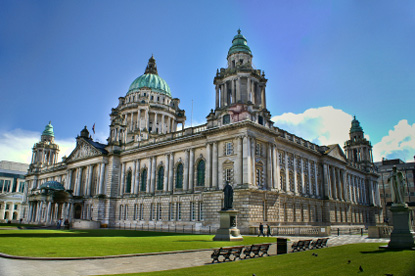
Belfast City Hall
Belfast City Hall is an architectural gem located in the heart of the city. It serves as the seat of local government and is surrounded by beautiful gardens.
Features:
- Architecture: This stunning Baroque Revival building features a striking green dome and intricate stonework.
- Guided Tours: Free guided tours are offered throughout the week, showcasing its history and architecture. Visitors can explore the grand entrance hall, council chambers, and stained glass windows.
- Exhibition Space: The visitor exhibition provides insights into Belfast's history and its development over time.
- Gardens: The grounds feature a variety of memorials, including the Titanic Memorial Garden and beautifully landscaped areas perfect for a leisurely stroll.
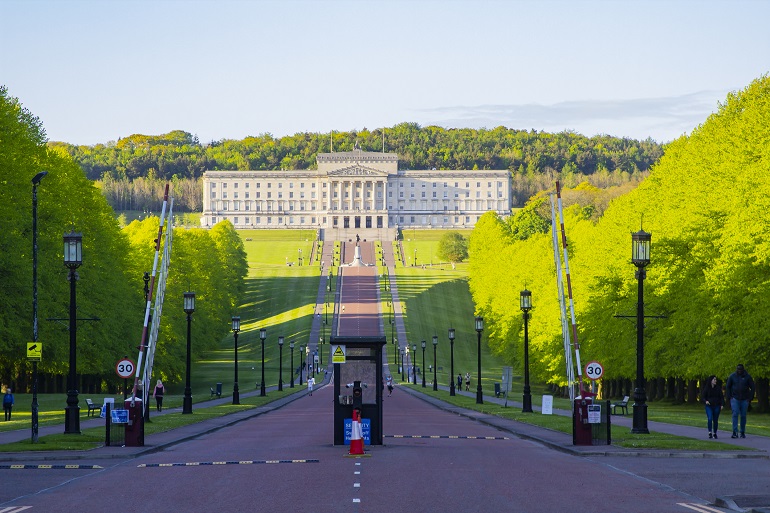
Stormont Estate
Stormont Estate is home to Northern Ireland's Parliament Buildings and offers extensive grounds for public enjoyment.
Features:
- Parliament Buildings: Visitors can admire this impressive neoclassical building from outside or join guided tours to learn about Northern Ireland's political system.
- Parkland: The estate features over 360 acres of parkland with walking trails suitable for all fitness levels.
- Visitor Centre: The on-site visitor centre provides information about Northern Ireland's political history and current governance.
- Events and Activities: Throughout the year, Stormont hosts various events including outdoor concerts, festivals, and community gatherings.
St Anne's Cathedral
St Anne's Cathedral is an iconic landmark located in Belfast's Cathedral Quarter. It showcases stunning architecture and rich history.
Features:
- Architecture: The cathedral features a mix of Romanesque revival style with beautiful stained glass windows and intricate mosaics.
- Historical Significance: Built between 1899 and 1904, it has become a symbol of Belfast's religious heritage.
- Guided Tours: Visitors can take guided tours that delve into its architectural features as well as its role in local history.
- Events Space: The cathedral hosts regular services as well as concerts and special events throughout the year.
Victoria Square Dome
Victoria Square is a shopping centre featuring a distinctive glass dome that offers stunning views over Belfast.
Features:
- Viewing Platform: Visitors can ascend to the dome for panoramic views across Belfast. Clear days offer visibility as far as Cave Hill and beyond.
- Shopping Experience: The centre houses numerous shops ranging from high street brands to unique boutiques along with restaurants and cafés.
- Architecture: The dome itself is an architectural feat with its unique design contributing to Belfast's skyline.
- Events Calendar: Victoria Square often hosts events such as seasonal markets or community activities throughout the year.
Crumlin Road Gaol
Crumlin Road Gaol is a historic prison that operated for over 150 years before closing in 1996. It now serves as a visitor attraction that delves into its storied past.
Features:
- Guided Tours: Expert-led tours take visitors through various parts of the gaol, including cells, execution chambers, and visiting areas.
- Historical Context: The tour includes stories about notable prisoners, including political prisoners from both sides of the conflict in Northern Ireland.
- The Courthouse Connection: Visitors can explore the tunnel linking the gaol to Crumlin Road Courthouse, used by prisoners during their trials.
- Events Venue: The gaol also hosts events such as ghost tours and seasonal activities throughout the year.
Black Taxi Tour
The Black Taxi Tour provides an intimate look at Belfast's political history through its famous murals. These tours are led by knowledgeable guides who share personal stories.
Features:
- Political Murals: Visitors can see some of the most famous political murals in both nationalist and unionist areas. Each mural tells a story about Belfast's troubled past.
- Peace Walls: The tour includes visits to various peace walls that separate communities. Guides explain their significance in maintaining peace during times of conflict.
- Personal Stories: Many drivers have lived through the Troubles themselves, offering unique perspectives on Belfast's history.
- Customisable Routes: Tours can be tailored to specific interests or areas of focus, whether historical or cultural.
Additional Attractions
Queen's University Belfast: Founded in 1845, this prestigious university boasts beautiful architecture set within landscaped gardens. Visitors can explore its historic buildings or attend public lectures when available.
Ulster Hall: A concert hall dating back to 1852 known for hosting various performances ranging from classical music to contemporary acts. Guided tours may be available depending on event schedules.
Albert Memorial Clock: An iconic clock tower built in memory of Queen Victoria's husband Prince Albert. Located near the waterfront, it's a popular photo spot due to its leaning structure reminiscent of Pisa's tower.
These attractions collectively showcase Belfast's rich cultural tapestry while providing visitors with engaging experiences that highlight both historical significance and natural beauty. Whether you are interested in maritime heritage or exploring beautiful parks, Belfast has something to offer everyone.
Top Museums
Maritime History
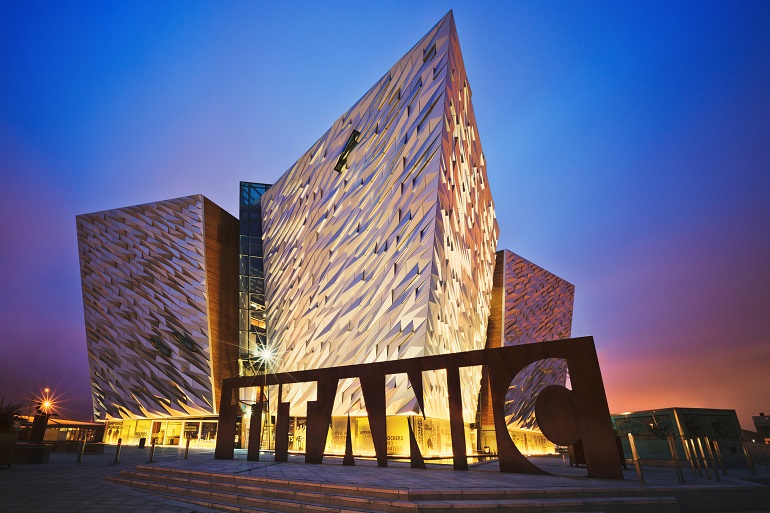
Titanic Belfast
Situated in the heart of Belfast's Titanic Quarter, this world-class attraction stands as a testament to the city's maritime heritage. The iconic building, designed to resemble the hull of the RMS Titanic, rises to the same height as the ill-fated ship.
Inside, visitors embark on a captivating journey through nine interactive galleries that bring the Titanic's story to life. The experience begins with Belfast's industrial boom in the early 20th century, guiding visitors through the ship's conception, construction, and launch. Cutting-edge technology, including an impressive 3D cave and interactive floor projections, recreates the sights, sounds, and sensations of the shipyard and the maiden voyage.
The museum doesn't shy away from the tragedy, offering a sombre and respectful exploration of the sinking and its aftermath. The final galleries focus on the discovery of the wreck and contemporary undersea exploration. A particular highlight is the Ocean Exploration Centre, which showcases marine research in Northern Ireland.
Features:
- Exhibits: The attraction comprises nine interactive galleries that detail the story of the Titanic from its conception to its tragic sinking. Visitors can engage with multimedia exhibits, personal stories, and artefacts.
- Architecture: The building itself is designed to resemble the hull of a ship and is one of the most photographed landmarks in Belfast.
- Guided Tours: Expert-led tours are available, providing deeper insights into the history of shipbuilding in Belfast.
- Outside Areas: The surrounding area includes the Titanic Slipways and the SS Nomadic, the last remaining White Star Line ship, which can be explored.
Belfast Barge
Moored at Lanyon Quay, the Belfast Barge offers a unique perspective on the city's maritime history. This floating museum is housed in a renovated barge and focuses on the history of the River Lagan and its importance to Belfast's development.
Exhibits cover various aspects of the river's history, from its role in the linen industry to its importance for shipbuilding. The museum also explores the recent regeneration of the riverfront area, showcasing how Belfast's relationship with the Lagan has evolved over time.
History and Culture
Ulster Museum
Nestled within the picturesque Botanic Gardens, the Ulster Museum stands as a treasure trove of art, history, and natural sciences. This diverse institution caters to a wide range of interests, making it a perfect destination for curious minds of all ages.
The museum's collection spans an impressive 9,000 years of Irish history. Visitors can marvel at the Armada Room, which houses artefacts from Spanish galleons shipwrecked off the Irish coast in 1588. The Early Peoples gallery offers insights into prehistoric Ireland, featuring tools, weapons, and jewellery from the Bronze and Iron Ages.
Art enthusiasts will appreciate the extensive collection of Irish art, including works by Jack B. Yeats and William Conor. The museum also houses an impressive array of European art, with pieces by renowned artists such as Jacob Epstein and Francis Bacon.
Natural history buffs can explore the diverse wildlife of Ireland, both past and present. The centrepiece of this section is Peter the Polar Bear, a beloved taxidermy specimen that has been captivating visitors for generations. The Fossils and Evolution gallery showcases an impressive collection of dinosaur fossils, including a full Edmontosaurus skeleton.
A significant portion of the museum is dedicated to the complex history of Northern Ireland, including a thoughtful and balanced exhibition on the Troubles. This section provides valuable context for understanding the region's recent past and ongoing peace process.
Crumlin Road Gaol
Known locally as 'The Crum', Crumlin Road Gaol offers visitors a glimpse into Belfast's turbulent past. This Victorian-era prison, which operated from 1845 to 1996, played a significant role in Northern Ireland's history, particularly during the Troubles.
Guided tours take visitors through the prison's eerie corridors and cells, recounting tales of famous inmates, daring escapes, and executions. The tour includes a visit to the tunnel that once connected the gaol to the courthouse across the street, through which prisoners were transported.
One of the most chilling aspects of the tour is the visit to the execution cell, where 17 men were hanged between 1854 and 1961. The tour also covers the prison's more recent history, including its role during the Troubles when it housed both loyalist and republican prisoners.
The museum offers a balanced perspective on Northern Ireland's complex political history, making it an essential visit for those seeking to understand the region's past conflicts and ongoing peace process.
James Connolly Visitor Centre
Situated on the Falls Road, the James Connolly Visitor Centre offers an in-depth look at the life and legacy of James Connolly, the renowned Irish republican socialist and trade union leader.
The centre's exhibits trace Connolly's life from his birth in Edinburgh to his execution in Dublin following the Easter Rising of 1916. Visitors can explore Connolly's political philosophy, his role in the Irish labour movement, and his lasting impact on Irish politics and society.
The museum uses a combination of artefacts, interactive displays, and multimedia presentations to bring Connolly's story to life. A particular focus is placed on his time in Belfast, where he was instrumental in organising workers and advocating for better conditions.
Northern Ireland War Memorial
This small but impactful museum in the Cathedral Quarter focuses on Northern Ireland's role in World War II. The exhibits cover various aspects of the war's impact on Belfast and its citizens, including the Belfast Blitz, the presence of American troops, and the contribution of local industry to the war effort.
One of the museum's highlights is a detailed model of Belfast during the Blitz, complete with sound and light effects that recreate the experience of an air raid. The museum also houses a significant collection of wartime memorabilia and personal stories from those who lived through the conflict.
Irish Republican History Museum
Located in Conway Mill on the Falls Road, this museum offers insight into the history of Irish republicanism. The exhibits cover a wide range of topics, from the 1798 rebellion to the more recent Troubles.
The museum houses an extensive collection of artefacts, including weapons, prison crafts, and political posters. While the perspective is decidedly republican, the museum provides valuable context for understanding this aspect of Northern Ireland's complex political history.
Science and Technology
W5
W5, an acronym for "Who, What, Where, When, Why", is Northern Ireland's award-winning science and discovery centre. Located in the Odyssey Complex, this interactive museum offers a hands-on exploration of science, technology, engineering, and mathematics (STEM).
The centre boasts over 250 interactive exhibits spread across eight distinct zones. In the 'Go' zone, visitors can explore the principles of energy and motion through various challenges and experiments. The 'See' zone delves into the fascinating world of light and optics, while the 'Do' zone encourages problem-solving and creative thinking.
One of W5's most popular attractions is Climbit, a multi-storey climbing structure that combines physical activity with lessons in physics and engineering. The RoboThink area allows visitors to programme and control robots, offering a glimpse into the future of technology.
For younger visitors, the MED-Lab provides a fun introduction to human biology and healthcare. Children can role-play as doctors, learning about the human body and medical procedures in a playful environment.
W5's commitment to cutting-edge science is evident in its frequently updated exhibits. Recent additions include a virtual reality ocean experience and a space exploration zone, ensuring that there's always something new to discover.
Transport
Ulster Transport Museum
Located in Cultra, just outside Belfast, the Ulster Transport Museum offers a comprehensive look at the region's transport history. The museum's extensive collection spans from horse-drawn carriages to vintage cars, motorcycles, and locomotives.
The Rail Gallery houses an impressive collection of locomotives and carriages, including the iconic 'Sea Urchin' railcar and the last steam engine to operate in Northern Ireland. The Road Transport galleries showcase the evolution of road travel, from penny-farthings to vintage cars and motorcycles.
A highlight of the museum is the TITANICa exhibition, which explores Ulster's rich maritime heritage. This section includes models and artefacts from famous ships built in Belfast, including the Titanic and its sister ships Olympic and Britannic.
The museum also features a significant collection related to the history of flight in Ireland. Visitors can see a variety of aircraft, including a Short SC1 VTOL experimental aircraft and a Shorts 330 airliner.
Art and Performance
The MAC (Metropolitan Arts Centre)
While not a traditional museum, The MAC has quickly become a cornerstone of Belfast's cultural scene since its opening in 2012. Located in the Cathedral Quarter, this multi-purpose venue hosts a diverse range of visual art exhibitions, theatrical performances, dance shows, and educational workshops.
The MAC's commitment to contemporary art is evident in its three art galleries, which host rotating exhibitions featuring both local and international artists. These exhibitions often push boundaries and spark conversations about current social and political issues.
The venue's two theatres host a variety of performances, from experimental plays to mainstream productions. The MAC also offers an extensive programme of talks, workshops, and family activities, making it a hub for creative engagement in the city.
Local Cuisine
Visitors can start their day with a hearty Ulster Fry, a traditional breakfast featuring sausages, bacon, eggs, and the distinctive potato bread and soda bread. For a quick bite, try the famous Belfast Bap, a large crusty roll often filled with a full fry-up. Seafood enthusiasts will relish the fresh catches at Mourne Seafood Bar, where Portavogie prawns are a must-try. Don't miss the chance to sample boxty, a traditional potato pancake, or indulge in champ, a comforting dish of mashed potatoes with spring onions. For a sweet treat, fifteens are a beloved local traybake, perfect with a cup of tea. Round off your culinary adventure with an Irish coffee, a warming blend of coffee, whiskey, sugar, and cream, ideal for Belfast's cool evenings.
Shopping
The city centre is home to two major shopping centres: Victoria Square, which houses over 70 shops including luxury brands and Ireland's only Apple Store, and CastleCourt, featuring more than 80 high street stores. For those seeking unique items, St. George's Market offers local produce, crafts, and antiques, while Smithfield Market is known for its quirky collectibles and speciality shops. The Lisburn Road area caters to upscale shoppers with boutique stores and designer outlets. Belfast also has several independent retailers, such as Born and Bred, which showcases locally made arts and crafts. Most shops in the city centre typically open from 9am to 6pm on weekdays, with late-night shopping until 9pm on Thursdays, and reduced hours on Sundays.
Nature in and around Belfast
Belfast and its surrounding areas offer a wealth of natural attractions for visitors to explore. Within the city, Botanic Gardens provides a lush green space with exotic plants and a Victorian palm house, while Cave Hill Country Park offers panoramic views of Belfast and features the famous Napoleon's Nose rock formation. Just outside the city, Lagan Valley Regional Park covers 4,500 acres of countryside and 11 miles of riverbank, perfect for walking and cycling. The nearby Belfast Hills, including Divis and Black Mountain, provide spectacular views of the city and beyond. For those willing to venture further, the UNESCO World Heritage site of the Giant's Causeway is a must-see, featuring 40,000 interlocking basalt columns. Nature enthusiasts can also explore the Mourne Mountains, Strangford Lough, and the Glens of Antrim, all within easy reach of Belfast and offering diverse landscapes and wildlife.
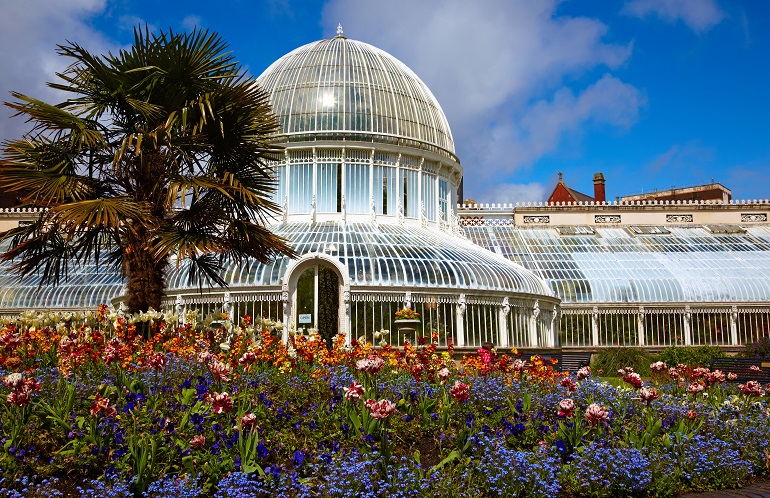
Botanic Gardens
Botanic Gardens is a public park that combines natural beauty with historical significance. It is a popular spot for both locals and tourists.
Features:
- Palm House: This Victorian glasshouse houses a collection of tropical plants and flowers, including rare species. Its design showcases innovative Victorian architecture.
- Tropical Ravine: A unique two-storey glasshouse that creates a rainforest environment with exotic plants and cascading waterfalls.
- Public Events: The gardens host various events throughout the year, including music festivals and outdoor cinema screenings.
- Children's Play Area: A dedicated space for children makes it family-friendly.
Colin Glen Forest Park
Colin Glen Forest Park offers an outdoor experience with recreational activities suitable for families.
Features:
- Gruffalo Trail: A family-friendly walking trail featuring sculptures from Julia Donaldson's beloved children's book "The Gruffalo."
- Adventure Activities: The park offers various activities including zip-lining, archery, and mountain biking for adventure enthusiasts.
- Nature Walks: Numerous walking paths wind through lush forest areas alongside riverside trails ideal for leisurely strolls or picnics.
- Wildlife Spotting Opportunities: With diverse flora and fauna, it's an excellent spot for birdwatching or simply enjoying nature.
Cave Hill Country Park
Cave Hill Country Park offers a blend of outdoor activities and historical exploration. It is known for its scenic views and rich biodiversity.
Features:
- Walking Trails: Several trails cater to different fitness levels, providing opportunities for hiking and nature walks.
- McArt's Fort: An ancient stone fort situated at 368 metres above sea level offers breathtaking panoramic views of Belfast Lough and beyond.
- Belfast Castle: This 19th-century castle is located within the park grounds. Visitors can explore its gardens, enjoy afternoon tea at the café, or learn about its history through guided tours.
- Wildlife Spotting: The park is home to various species of birds and other wildlife, making it ideal for nature enthusiasts.
Getting There & Around
To reach the city, you can fly into either Belfast International Airport or Belfast City George Best Airport, both served by express bus services to the city centre. Once in Belfast, the walkable city centre is easy to explore on foot, while the extensive bus network, including Metro and Glider services, provides efficient public transport throughout the city. For longer journeys, trains connect Belfast to other major towns in Northern Ireland. Cycling enthusiasts can take advantage of the Belfast Bikes scheme, with numerous docking stations across the city. Taxis are readily available at ranks throughout Belfast for those preferring door-to-door service. Notably, a car hire is unnecessary for exploring the city centre, making Belfast an accessible and easy-to-navigate destination for tourists.
Best Time to Visit
The best time to visit Belfast is during the late spring to early autumn months, particularly May, June, and September. These months offer a delightful balance of pleasant weather, fewer crowds, and reasonable prices. With temperatures ranging from 15°C to 19°C, visitors can enjoy outdoor activities and explore the city's attractions comfortably. The longer days and milder climate make it ideal for sightseeing, attending festivals, and experiencing Belfast's vibrant culture. Whilst summer (July and August) brings warmer temperatures and a lively atmosphere with numerous events, it's also the peak tourist season, resulting in higher prices and larger crowds. For budget-conscious travellers, the shoulder seasons of spring and autumn provide an excellent opportunity to experience Belfast's charm without the summer rush, whilst still benefiting from agreeable weather conditions.