


 Denmark Guide
 Finland Guide
 Norway Guide
 Sweden Guide
| Contents |
|---|
Introduction
Snæfellsjökull National Park, established in 2001, is located at the westernmost tip of the Snæfellsnes peninsula in western Iceland. Covering approximately 170 square kilometres, it is the only Icelandic national park that extends from a mountain summit to the coastline. The park is named after its crown jewel, the 700,000-year-old glacier-capped stratovolcano Snæfellsjökull, which rises to 1,446 metres above sea level and is one of Iceland's 32 active volcanic systems. This diverse landscape features black sandy beaches, spectacular cliff formations at Arnarstapi, moss-covered lava fields, volcanic craters and lava tube caves. The park also preserves important historical remains from ancient times related to medieval fisherman culture. Snæfellsjökull has inspired numerous artists throughout history, most notably Jules Verne, who used it as the setting for his novel "Journey to the Center of the Earth". The park's visitor centre at Malarrif offers exhibitions about the park's natural wonders, and there is no admission fee for visiting.
Geography and Landscape
Geological Features
At the heart of the park stands the majestic Snæfellsjökull, a 700,000-year-old glacier-capped stratovolcano rising 1,446 metres above sea level. This dormant volcano, visible from up to 120 kilometres away, dominates the skyline and serves as the centrepiece of the park's dramatic scenery.
The park's geology is incredibly diverse, with formations representing almost every era of Iceland's geological history. Visitors can observe:
- Rough, jagged aa lava and smooth pahoehoe lava flows
- Tuff and pumice deposits
- Light-coloured liparite formations
- Ancient sea hammers, remnants of the Ice Age
Coastal Landscapes
The coastline of Snæfellsjökull National Park is a testament to the raw power of nature, featuring:
- Rocky scales and steep sea cliffs
- Black and light-coloured sandy beaches
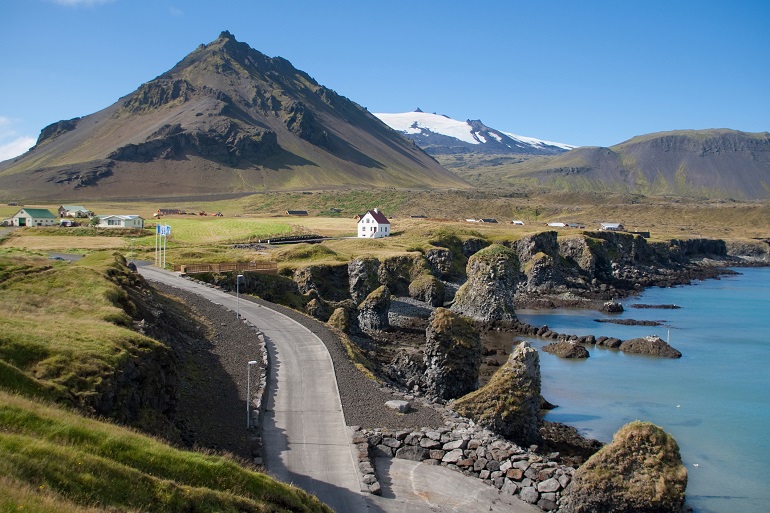
- Basalt formations and dramatic rock structures
Notable coastal features include the Lóndrangar basalt cliffs and the picturesque black pebble beach of Djúpalónssandur.
Volcanic Landforms
The park boasts an array of volcanic features, including:
- Numerous craters such as Saxhólar and Purkhólar in the lowlands
- Lava fields covered in moss, with sheltered bowls of verdant vegetation
- Volcanic plugs like Lóndrangar
- Pumice flakes near Jökulhálsi
Waterfalls and Valleys
Despite its predominantly volcanic landscape, the park also features serene waterfalls and valleys:
- Klukkufoss waterfall, nestled at the foot of Hreggnasi mountain
- Þverfossar, a pair of waterfalls cascading into a single gorge in Blágil
- Eysteinsdalur, a valley on the north side of Snæfellsjökull, surrounded by steep mountains
Caves
The park is renowned for its extensive cave systems, formed by lava flows. While many are off-limits to protect sensitive formations and ensure visitor safety, guided tours are available to some, such as Vatnshellir cave.
Snæfellsjökull National Park's diverse geography and landscape offer visitors an unparalleled opportunity to experience the geological forces that have shaped Iceland over millennia. From its towering glacier to its rugged coastline, this park encapsulates the raw beauty of Iceland's natural world in a relatively compact area.

Flora and Fauna
Snæfellsjökull National Park boasts a diverse array of flora and fauna, offering visitors a chance to experience Iceland's unique ecosystem. Despite its harsh climate and volcanic terrain, the park supports a surprising variety of plant and animal life.
Flora
The park's vegetation is characterised by hardy species adapted to the challenging environment. Thick moss carpets much of the lava fields, creating a soft, green landscape. In sheltered areas and lava hollows, wildflowers thrive, including geraniums, meadowsweets, and buttercups. The park is home to approximately 130 plant species, with many found in the fertile hollows of the lava fields.
Coastal areas feature numerous plants, and crystal-clear pools are adorned with colourful kelp and seaweed. Heather is widespread throughout the park, and late summer brings an abundance of wild berries, including crowberries, bilberries, and blueberries.
Rare plant species can also be found, such as wood millet and the protected herb-Paris. Ferns are particularly notable, with 11 of Iceland's 16 native fern species growing within the park.
Fauna
Birds
Snæfellsjökull National Park is a haven for birdwatchers, with seabirds dominating the avian population. The park's sea cliffs provide ideal nesting grounds for various species, including:
- Guillemots
- Razorbills
- Fulmars
- Kittiwakes
- Shags
- Puffins (seasonal)
- Arctic terns
Inland, visitors may spot golden plovers, whimbrels, meadow pipits, snow buntings, and wheatears. The Arctic tern is particularly characteristic of the area, with some of Iceland's largest nesting grounds found near the park.
Marine Life
The coastal waters of Snæfellsjökull are rich in marine life. Visitors may observe:
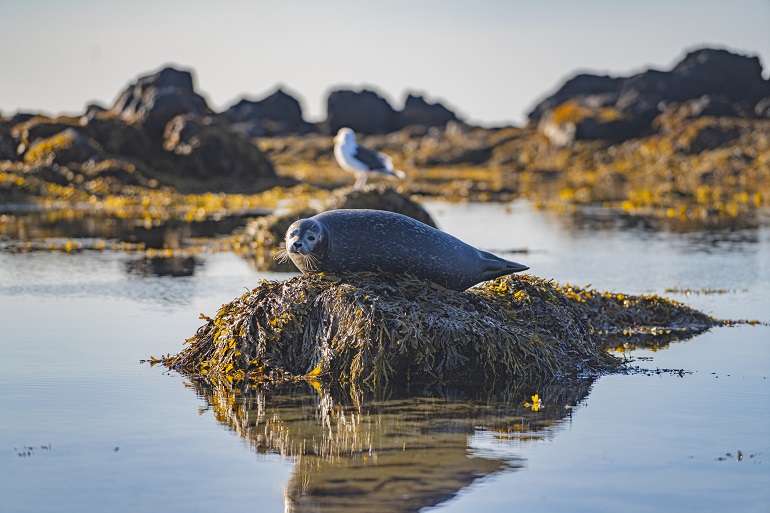
- Seals (both common and grey seals)
- Whales (including orcas, minke whales, and occasionally larger species)
- Various fish species
- Crustaceans and molluscs in tidal pools
Land Mammals
While large land mammals are not prevalent, the park is home to:
- Arctic foxes (the only native land mammal in Iceland)
- Field mice
- Occasionally, mink (an invasive species)
The Arctic foxes within the park are protected and often display a more curious nature than those outside the park boundaries.
Snæfellsjökull National Park offers visitors a unique opportunity to experience Iceland's natural wonders, from its resilient plant life to its diverse bird populations and marine creatures. Whether exploring the lava fields, observing seabirds on coastal cliffs, or watching for seals and whales along the shore, the park provides a rich tapestry of flora and fauna for nature enthusiasts to discover.
Activities and Attractions
Hiking Trails in Snæfellsjökull National Park
Hiking remains the premier activity for exploring the park's varied terrain. Here's an expanded look at the trails and what they offer:
Snæfellsjökull Glacier Hike
This challenging hike to the summit of Snæfellsjökull is not just a physical feat but a journey through literary history. The glacier featured prominently in Jules Verne's "Journey to the Centre of the Earth," adding a layer of intrigue to the ascent. The 8 km trail demands proper equipment and guidance, especially when traversing the glacier's upper reaches. Hikers should be prepared for rapidly changing weather conditions and the possibility of limited visibility due to fog or low-lying clouds.
Hellnar-Arnarstapi Trail
This coastal path between two picturesque fishing villages offers more than just scenic views. Along the way, hikers can spot Gatklettur, a natural stone arch over the sea, and observe nesting seabirds in the cliffs. The trail also passes by Bárðar Saga Snæfellsáss Statue, a monument to the half-man, half-troll guardian spirit of Snæfellsnes.
Rauðfeldsgjá Gorge
The hike to and through Rauðfeldsgjá Gorge is an adventure in itself. As you approach, the narrow fissure in the mountain face seems impassable, but a careful scramble rewards the intrepid with a hidden waterfall deep within the gorge. The site is steeped in Icelandic saga lore, said to be where a young boy was thrown to his death by his uncle.
Lóndrangar Cliffs
The trail to Lóndrangar offers more than just cliff views. These basalt pinnacles, remnants of an ancient crater, rise dramatically from the sea and are often compared to a castle. The area around the cliffs is rich in birdlife, and keen-eyed hikers might spot puffins nesting in the summer months.
Saxhóll Crater
This relatively easy hike up a volcanic crater offers insights into Iceland's volcanic history. The well-maintained metal staircase (about 300 steps) leads to panoramic views of the surrounding lava fields and, on clear days, the Snæfellsjökull glacier itself.
Djúpalónssandur Beach Trails
The paths leading to Djúpalónssandur Beach wind through a landscape that seems almost otherworldly. The beach itself is famous for its smooth black pebbles and the remnants of the British trawler Epine GY7, which wrecked there in 1948. Visitors can also test their strength on the four lifting stones once used by fishermen to prove their fitness for work.
Other Activities and Attractions
While hiking dominates the activities in Snæfellsjökull National Park, there are several other ways to experience its beauty and history:
Cave Exploration
The park is home to several lava tubes and caves, with Vatnshellir Cave being the most accessible. This 8,000-year-old lava tube descends 35 metres underground and stretches for about 200 metres. Guided tours are available, allowing visitors to experience the unique subterranean world of Iceland's volcanic landscape.
Coastal Sightseeing
The park's coastline is dotted with fascinating geological formations and historical sites. At Arnarstapi, visitors can marvel at the stone bridge arch of Gatklettur and the peculiar columnar basalt formations. The nearby Sönghellir, or "Singing Cave," is known for its remarkable acoustics and ancient runic inscriptions.
Photography Opportunities
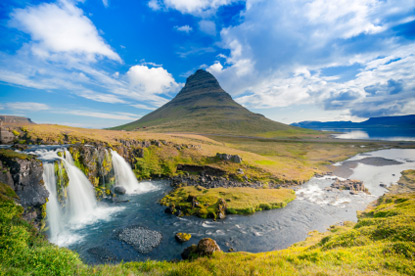
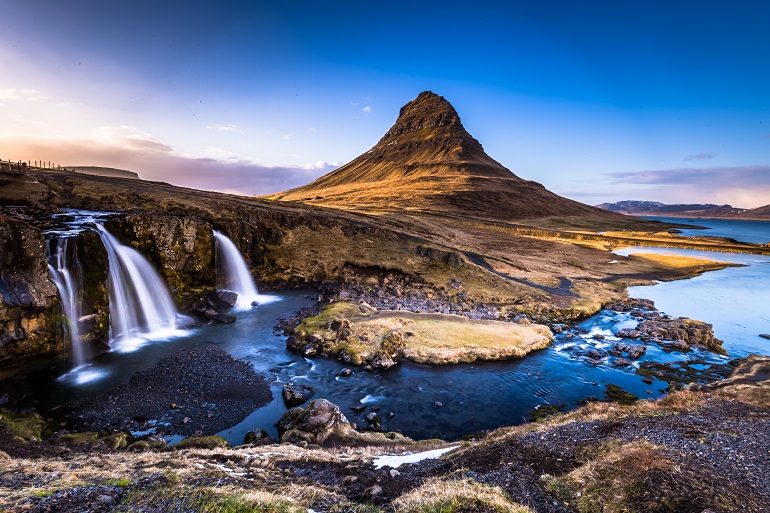
For photography enthusiasts, Snæfellsjökull National Park is a paradise. The ever-changing light on the glacier, the stark contrast of black sand beaches against the North Atlantic, and the ethereal quality of the lava fields provide endless compositional possibilities. The Kirkjufell mountain, just outside the park boundaries, is one of the most photographed mountains in Iceland and is easily accessible.
Cultural and Historical Sites
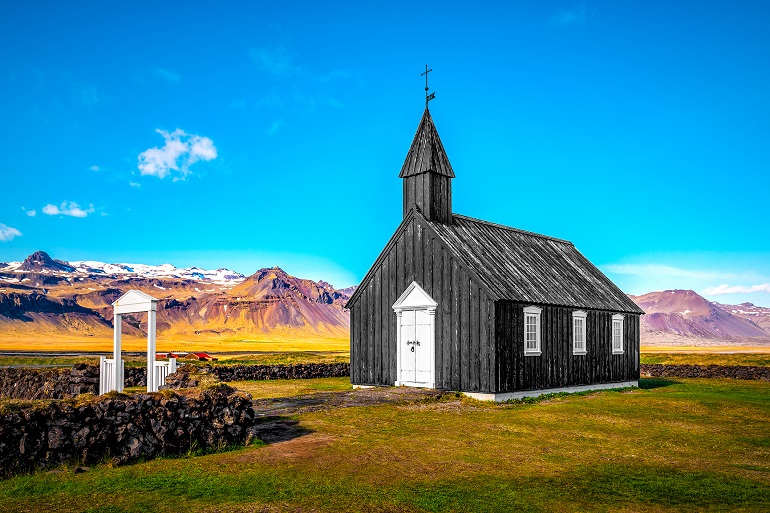
The park and its surroundings are rich in cultural heritage. The black church of Búðir, set against a backdrop of lava fields, is a popular subject for photographers and history buffs alike. The Maritime Museum in Hellissandur offers insights into the area's fishing history and folklore.
Snowmobiling and Skiing
In winter, when snow blankets the landscape, visitors can experience the thrill of snowmobiling on Snæfellsjökull glacier. Guided tours offer a unique perspective of the glacier and surrounding vistas. Cross-country skiing is also popular in the lower-lying areas of the park when conditions permit.
Birdwatching
While not primarily known as a birdwatching destination, the park's diverse habitats support a variety of bird species. The cliffs around Lóndrangar and Arnarstapi are particularly good spots for observing seabirds, including kittiwakes, fulmars, and, in summer, puffins.
Midnight Sun and Northern Lights
Depending on the season, visitors can experience two of Iceland's most famous natural phenomena. In summer, the Midnight Sun creates surreal lighting conditions perfect for late-night hikes or photography. In winter, the park's minimal light pollution makes it an excellent spot for viewing the Northern Lights, weather permitting.

Accommodation
Whilst Snæfellsjökull National Park itself does not offer accommodation within its boundaries, visitors to this stunning area of Iceland have a wealth of options in the surrounding region. The Snæfellsnes Peninsula, where the national park is located, boasts a variety of charming villages and scenic locations that provide excellent bases for exploring the park and its iconic glacier.
Nearby Villages
Several picturesque fishing villages dot the coastline near Snæfellsjökull, offering a range of accommodation types. These settlements provide a perfect blend of convenience and local charm, allowing travellers to immerse themselves in the region's culture whilst having easy access to the national park.
Types of Accommodation
The area surrounding Snæfellsjökull caters to various preferences and budgets:
- Hotels: From boutique establishments to larger, more modern hotels, visitors can find comfortable lodgings with amenities such as restaurants and wellness facilities.
- Guesthouses: For a more intimate experience, guesthouses offer cosy rooms and often a more personal touch.
- Self-catering options: Cottages and apartments are available for those who prefer more independence during their stay.
- Budget-friendly choices: Hostels and camping sites provide economical options for travellers looking to maximise their budget.
Location Considerations
When choosing accommodation, consider the following:
- Proximity to the park: Staying closer to the national park entrance can reduce travel time for daily excursions.
- Coastal vs inland: Decide whether you prefer sea views or countryside vistas.
- Amenities: Some accommodations offer extras like hot tubs or guided tours, which can enhance your Snæfellsnes experience.
Booking Tips
- The Snæfellsnes area is popular year-round, so it's advisable to book in advance, especially during peak summer months.
- Consider the time of year when planning your visit, as some accommodations may have limited availability during winter.
Gastronomy
Traditional Icelandic Cuisine
The dining scene in Snæfellsjökull National Park showcases the best of traditional Icelandic cuisine, which has been shaped by the country's unique geography and history. The cornerstone ingredients of Icelandic food—lamb, dairy, and fish—feature prominently on menus throughout the park. This focus on seafood is particularly notable, as Iceland has traditionally been inhabited primarily along its coastline.
Visitors to the park can savour fresh seafood dishes, including the famous Icelandic fish stew, prepared with locally caught fish. The quality of seafood in this region is exceptional, with restaurants taking pride in serving the catch of the day directly from the surrounding waters.
Local Specialities
When dining in Snæfellsjökull National Park, you'll encounter several Icelandic specialities worth trying:
Skyr - A creamy, yoghurt-like dairy product that has been part of Icelandic cuisine for centuries. It's often served with berries or as a dessert.
Hangikjöt - Smoked lamb that is traditionally served during Christmas celebrations. It's typically boiled and served in slices alongside potatoes, green peas, and traditional flatbread.
Rúgbrauð - A dense, dark and sweet rye bread that pairs wonderfully with many Icelandic dishes.
For the more adventurous palate, the park's eateries might offer traditional delicacies such as hákarl (fermented shark) or svið (sheep's head), particularly during the midwinter festival Þorrablót.
Modern Icelandic Gastronomy
Contemporary chefs in the Snæfellsjökull area emphasise the quality of available ingredients rather than strictly adhering to age-old cooking methods. The focus is on fresh, locally sourced produce that highlights the natural flavours of Iceland.
Restaurants in the area often feature stunning views of the surrounding glaciers and volcanic landscapes, providing a truly unique dining experience where the visual feast complements the culinary one.
Seasonal Offerings
The gastronomy of Snæfellsjökull National Park changes with the seasons. Summer brings an abundance of wild berries like crowberries and blueberries, while autumn offers wild mushrooms and thyme. Year-round, you can enjoy local specialities featuring Icelandic lamb, known for its exceptional quality due to the free-range grazing of sheep on mountain herbs.

Getting There and Around
Snæfellsjökull National Park, located on the Snæfellsnes Peninsula in western Iceland, is a must-see destination for nature enthusiasts. The park is renowned for its glacier-capped stratovolcano, stunning beaches, caves, and cliffs. Here's a guide on how to reach this breathtaking location.
Driving from Reykjavík
The most convenient way to reach Snæfellsjökull National Park is by car. The journey from Reykjavík covers approximately 190 kilometres and takes about 2.5 to 3 hours, depending on road and weather conditions.
- Start by taking Route 1 (Ring Road) north from Reykjavík.
- Pass through the town of Borgarnes and turn left onto Route 54.
- Follow Route 54 across the Snæfellsnes Peninsula for about 98 kilometres.
- Connect to Route 574 and continue west for about 35 kilometres until you reach the park.
Be aware that some roads, especially those leading closer to the volcano, may be unpaved. Always check weather forecasts and road conditions before setting off.
Alternative Options
If you prefer not to drive, several guided tours depart from Reykjavík. These tours often include stops at other attractions on the Snæfellsnes Peninsula, making them an excellent choice for a comprehensive experience.
Costs
The cost of hiring a car in Iceland starts at around ISK 15,000 per day, depending on the type of vehicle. Guided tours typically range from ISK 7,000 to ISK 15,000 per person for a one-day trip.
Tips for Your Trip
- Maps: Carry updated maps or use GPS for navigation. However, always double-check with local travel advisories.
- Fuel: Ensure your car has enough fuel as petrol stations can be sparse in remote areas.
- Weather: Icelandic weather can change rapidly. Dress warmly and bring waterproof clothing.
- Amenities: The Snæfellsjökull Visitor Centre provides information about the park’s geology and history and offers facilities such as restrooms and a gift shop.
Best Time to Visit
Snæfellsjökull National Park, located on the picturesque Snæfellsnes Peninsula in Iceland, offers breathtaking landscapes and diverse activities throughout the year. The best time to visit depends on your preferences and what experiences you seek.
Summer (June to August)
Summer is the peak tourist season, with mild temperatures ranging from 10°C to 15°C (50°F to 59°F) and long days, including the Midnight Sun in late June. This period is ideal for hiking, glacier walking, and exploring the park's stunning landscapes.
- Pros: The weather is generally more stable, and the park's facilities are fully operational. It's perfect for outdoor activities like hiking and sightseeing.
- Cons: It's the busiest time of the year, which might detract from the tranquillity of the natural surroundings.
Autumn (September and October)
Autumn brings cooler temperatures (5°C to 10°C or 41°F to 50°F) and shorter days, but the foliage creates beautiful scenery. It's a great time for birdwatching and photography.
- Pros: The crowds are smaller compared to summer, and the changing colours offer unique photo opportunities.
- Cons: Weather can be unpredictable, with occasional rain and wind.
Winter (November to March)
Winter transforms the park into a snowy wonderland, with temperatures often below freezing. It's the best time to see the Northern Lights and enjoy winter landscapes.
- Pros: The park's serene beauty is enhanced by snow, and the Northern Lights are more visible.
- Cons: Short daylight hours and potential road closures can limit exploration.
Spring (April and May)
Spring brings rising temperatures and longer days, with snow still present on higher elevations. It's an excellent time for hiking and exploring as the landscape awakens.
- Pros: The combination of snow-capped mountains and clear lowlands offers stunning views. It's less crowded than summer.
- Cons: Weather can still be unpredictable, with occasional rain showers.
Choosing the Best Time for Your Visit
- For Outdoor Activities: Summer is ideal for hiking and glacier walking due to longer days and milder weather.
- For Photography: Spring and autumn offer unique landscapes with snow and changing foliage.
- For Northern Lights: Winter is the best time to witness this natural phenomenon.
Ultimately, the best time to visit Snæfellsjökull National Park depends on your interests and preferences. Whether you enjoy the vibrant colours of spring, the long days of summer, the serene landscapes of winter, or the tranquillity of autumn, each season offers a distinct and unforgettable experience.
Conservation and Responsible Tourism
Environmental Initiatives
The Snæfellsnes Peninsula has made significant strides in environmental conservation. In 2008, it became the first European destination to receive EarthCheck certification, and by 2018, it achieved EarthCheck Platinum Certification. This recognition marks a decade of dedicated efforts to measure and manage greenhouse gas emissions, energy consumption, waste, water usage, and social impact.
Some notable achievements include:
- Reduction of waste sent to landfills by almost 50%
- Improved greenhouse gas emissions and energy performance
- Installation of electric charging stations across the peninsula
- Transition to clean energy sources, eliminating non-renewable fuels
Biodiversity Protection
The national park is home to a diverse array of flora and fauna, which require careful protection:
- Coastal areas host numerous seabird species, including the Arctic tern, razorbill, and fulmar
- Rare plants such as wood millet and the protected herb-Paris can be found in the park
- Marine life, including seals and various cetaceans, inhabit the surrounding waters
To safeguard this biodiversity, visitors are asked not to disturb vegetation, natural formations, or wildlife.
Visitor Guidelines
When exploring Snæfellsjökull National Park, please adhere to these responsible tourism practices:
- Stay on marked paths where available
- Drive and cycle only on designated roads and tracks
- Use designated riding trails for horseback excursions
- Keep dogs and other pets on a leash
- Carry out all litter
- Refrain from lighting fires
- Respect temporary closures of sensitive areas
Camping and Accommodation
Overnight stays within the park are generally restricted:
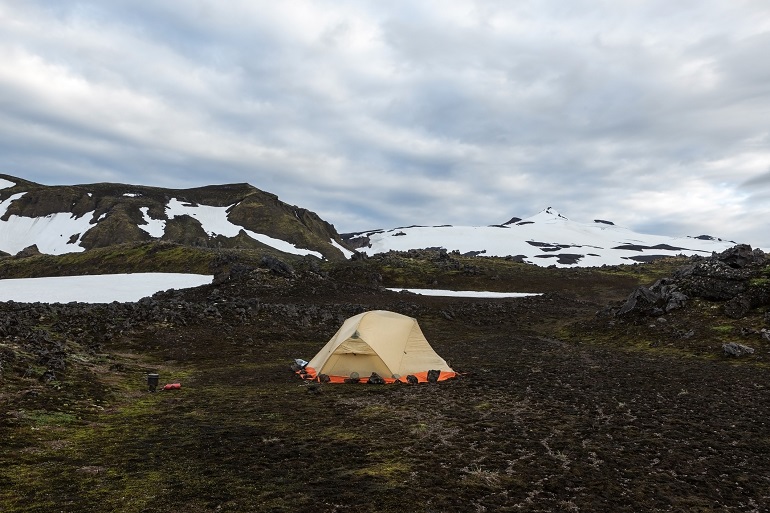
- Camping is not permitted within the park boundaries, except for hikers and cyclists who may camp for one night at defined sites
- Groups of more than three tents or stays longer than one night require a permit
- Visitors are encouraged to use designated campsites in the vicinity of the park
Sustainable Infrastructure
The National Park Center at Hellissandi exemplifies the commitment to sustainable tourism:
- Designed and built to BREEAM certification standards
- Utilises environmentally friendly building materials
- Implements green accounting for energy and water consumption
- Features charging stations for electric vehicles
Visitor Centres and Educational Facilities
Visitor Centres
Malarrif Visitor Centre
The Malarrif Visitor Centre is open daily from 11:00 to 16:00. It features an engaging exhibition about the park's natural wonders and the remains of historical fishing stations. Visitors can obtain detailed maps and information about the park's geology and wildlife.
Contact details:
- Phone: +354 436 6888
- Ranger phone: +354 692 5296
Hellissandur National Park Centre
Located in Hellissandur, this newer facility opened on 24 March 2023. It is open daily from 10:00 to 16:00.
Features:
- Exhibition hall with informative displays about the national park
- Educational and teaching space suitable for lectures
- Souvenir shop focusing on park-related products
- Cafeteria run by the restaurant Matarlist
Contact details:
- Phone: +354 661 1500
Educational Facilities
The park offers various educational opportunities for visitors:
- Guided Tours: Rangers provide informative tours, offering insights into the park's unique geological features, wildlife, and cultural history.
- Educational Programmes: The park collaborates with local schools and universities to offer educational programmes. For instance, Montana State University runs a course that includes visits to Snæfellsjökull National Park, allowing students to explore its stunning landscapes and learn about its ecology.
- Lava Cave Explorations: Guided tours of lava caves like Vatnshellir and Sönghellir offer hands-on geological education.
- Hiking Trails: Well-marked trails with informative signage allow visitors to learn about the park's diverse ecosystems and geological formations at their own pace.
- Marine Education: The coastal areas of the park, including beaches like Djúpalónssandur and the Lóndrangar basalt cliffs, provide opportunities to learn about marine ecology and coastal geomorphology.
By utilising these visitor centres and educational facilities, travellers can gain a comprehensive understanding of Snæfellsjökull National Park's natural and cultural significance while enjoying its breathtaking beauty.