


 England Guide
 Ireland Guide
 Scotland Guide
| Contents |
|---|

Introduction
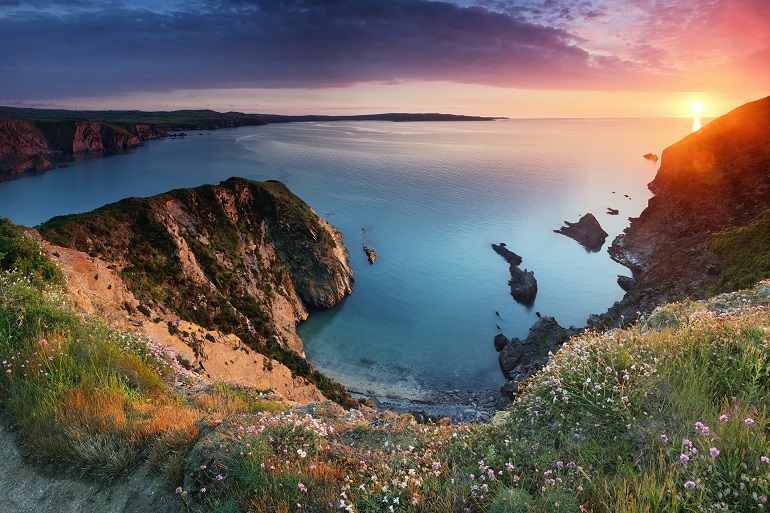
The Pembrokeshire Coast National Park, established in 1952, is Britain's only coastal National Park and one of three National Parks in Wales. Covering 615 square kilometres, it encompasses almost the entire Pembrokeshire coastline with 420km of stunning coastal scenery, every offshore island, the Daugleddau estuary, and large portions of the Preseli Hills and Gwaun Valley. Despite being one of the smallest UK National Parks, it boasts one of the most diverse landscapes, featuring rugged cliffs, sandy beaches, wooded estuaries, wild inland hills and moorland. The Park is split into four distinct sections, each with its own unique character: the south Pembrokeshire coast including Caldey Island, the Daugleddau estuary, the St Bride's Bay coast with its coastal islands, and the Preseli Hills. With over 80 beaches, numerous caves, cliffs, offshore islands and rich wildlife habitats, the Park is recognised internationally for its ecological importance, with 80% of its coastline designated as Sites of Special Scientific Interest.
Geography and Landscape
The Pembrokeshire Coast National Park encompasses a diverse and breathtaking landscape along the southwestern coast of Wales. Covering an area of 629 square kilometres, this remarkable park stretches from St Dogmaels in the north to Amroth in the south, including the Preseli Hills and the Daugleddau Estuary.
Coastal Features
The park's coastline is a spectacular showcase of geological wonders, featuring rugged cliffs, sandy beaches, and wooded estuaries. The heavily indented rocky shoreline boasts numerous coastal features, from majestic headlands to sweeping bays. Notable formations include:
- Cliffs: Towering limestone cliffs dominate the southern coast, while the northern section features more rugged, volcanic headlands.
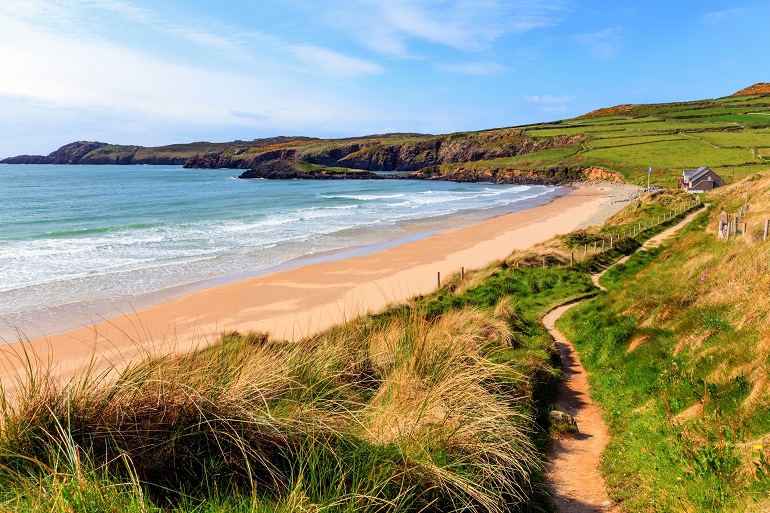
- Beaches: Golden sand beaches like Amroth, Tenby, and Freshwater West punctuate the southern coastline, while smaller, more secluded coves are found in the north.
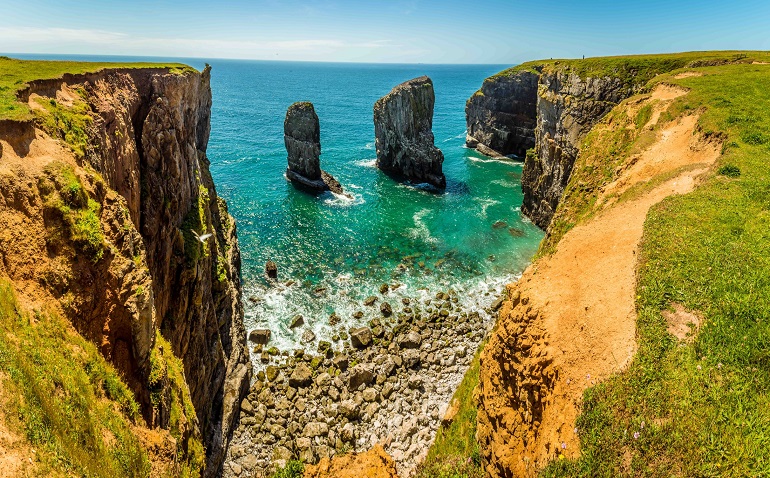
- Natural Arches and Stacks: The park's geology has created impressive features such as natural arches and sea stacks, with Elegug Stacks being a prime example.
- Estuaries: Flooded glacial valleys form picturesque estuaries, with the Daugleddau being the most prominent.
Inland Landscape
The park's interior is equally diverse, offering a range of landscapes:
- Preseli Hills: These wild, exposed moorlands in the north provide a mountainous feel to the landscape.
- Gwaun Valley: This wooded valley cuts through the northern section, offering a stark contrast to the exposed hills.
- The Ridgeway: A prominent feature extending west from Penally to Pembroke Dock, reaching 90 metres above sea level.
Geological Diversity
The park's varied geology contributes significantly to its landscape:
- Rock Types: The area showcases a mix of sedimentary and igneous rocks, including limestone, sandstone, shale, and volcanic formations.
- Geological Periods: Rocks date from the late Precambrian to the Carboniferous period, spanning hundreds of millions of years.
- Folding and Faulting: The northern area displays patterns associated with the Caledonian Orogeny, while the south shows effects of the Variscan Orogeny.
Pembrokeshire Coast Path
The 299-kilometre Pembrokeshire Coast Path offers the best way to experience the park's diverse landscapes. It winds along cliff tops, crosses sandy beaches, and traverses estuaries, providing ever-changing views of the park's geological and geographical features.

Flora and Fauna
The Pembrokeshire Coast National Park, a jewel in Wales' natural heritage, offers an extraordinary diversity of flora and fauna, making it a paradise for nature enthusiasts. From dramatic coastal cliffs to serene inland habitats, the park is teeming with life throughout the year.
Flora: A Tapestry of Colours
The park's plant life varies dramatically across its landscapes:
- Coastal Flowers: The clifftops are adorned with vibrant wildflowers like thrift (sea pinks), gorse, and campion during spring and summer. These hardy plants thrive in the salty air and rocky terrain, creating a stunning display of colour against the rugged coastline.
- Woodlands: Inland woodlands feature bluebells, wood anemones, and ferns carpeting the ground in spring. The canopy is dominated by sessile oaks, while hazel and holly populate the understorey. Ivy and honeysuckle weave through the trees, adding to the lush greenery.
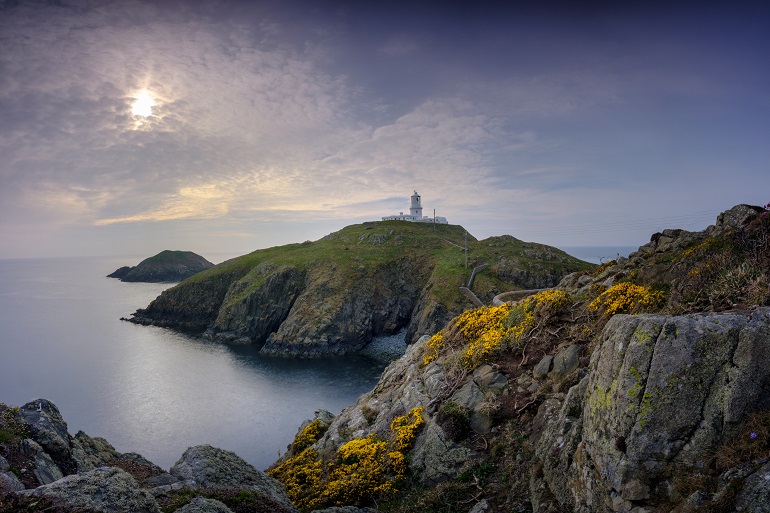
- Heathlands: Moorland areas such as those around St Davids and Strumble Head are rich in heather species and western gorse. These habitats are particularly important for supporting rare insects like the marsh fritillary butterfly.
- Wetlands: Marshy areas host unique plants such as marsh orchids and pale butterwort, while bryophytes thrive in damp rock crevices.
Fauna: A Wildlife Haven
The Pembrokeshire Coast is renowned for its rich variety of animal life, both on land and at sea:
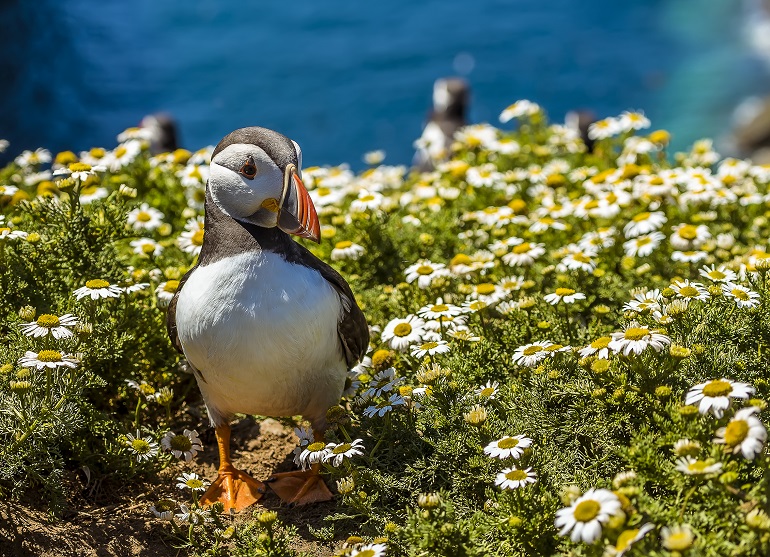
- Birdlife: The park is a haven for seabirds like puffins, gannets, and Manx shearwaters, which nest on islands such as Skomer and Grassholm. Rare species like choughs can be spotted along the cliffs.
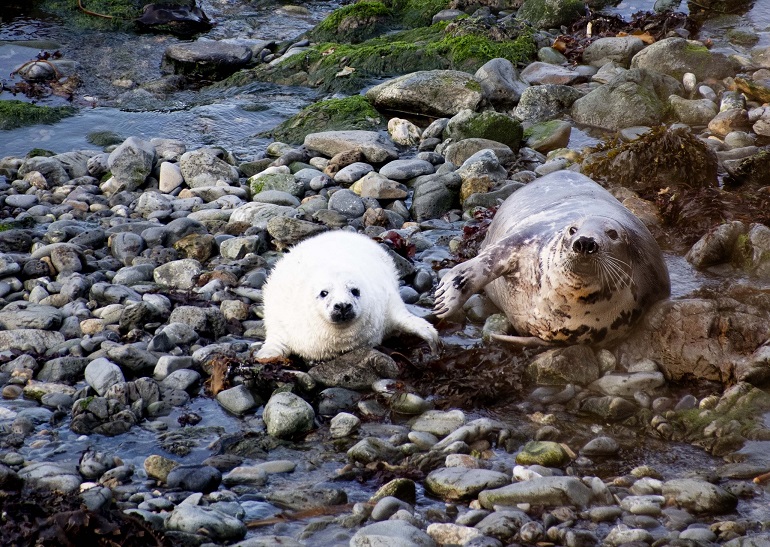
- Marine Life: The waters are home to Atlantic grey seals, dolphins, porpoises, and even occasional sightings of whales such as orcas and minke whales. Seal pups can be seen on remote beaches during autumn.
- Inland Animals: Otters frolic in rivers and lakes like Bosherston Lakes, while bats—12 species in total—can be observed feeding at twilight in places like Stackpole.
- Insects: Butterflies, damselflies, and beetles abound in the meadows and heathlands. Notable species include the southern damselfly and green tiger beetle.
Seasonal Highlights
Each season brings its own spectacle:
- Spring: Woodlands burst into bloom with carpets of bluebells; seabirds return to nest.
- Summer: Wildflowers peak along the coast; dolphins frolic offshore.
- Autumn: Seal pupping season begins; migrating birds pass through.
- Winter: A quieter time perfect for spotting seals basking on rocks.
Conservation Efforts
The park's unique ecosystems are carefully managed to preserve their biodiversity. Initiatives include reintroducing traditional farming practices on heathlands and controlling invasive species in woodlands.
Activities and Attractions
The Pembrokeshire Coast National Park offers a wide range of activities and attractions that cater to all interests and ages, making it an ideal destination for both adventure seekers and those looking for a relaxing getaway.
Outdoor Activities
- Walking and Hiking: The park is home to the Pembrokeshire Coast Path, a 186-mile long-distance trail that offers some of the most spectacular coastal views in Britain. The path takes you through rugged cliffs, secluded coves, and picturesque villages like Tenby and St Davids. For those who prefer shorter walks, there are numerous sections of the path that can be completed in a day.
- Watersports: The park's diverse coastline provides perfect conditions for surfing, kayaking, and coasteering. Newgale Beach is particularly popular for surfing, while coasteering, invented in Pembrokeshire, involves exploring the coastline by swimming, climbing, and jumping into the sea.
- Wildlife Watching: The park is a haven for wildlife enthusiasts, with opportunities to spot seabirds, seals, and dolphins. Skomer Island, accessible by a short boat ride, is famous for its puffins and other seabirds.
Attractions
- Historical Sites: The park boasts a rich cultural heritage with numerous historical sites, including Pembroke Castle, Manorbier Castle, and Carew Castle. These castles offer insights into the region's medieval past and stunning views of the surrounding landscape.
- Islands and Coves: Pembrokeshire's offshore islands, such as Skomer Island and Ramsey Island, are must-visit attractions for their unique wildlife and landscapes. On the mainland, Church Doors Cove and Shrinkle Haven are hidden gems that offer breathtaking views and secluded beaches.
- Visitor Centres and Museums: The Oriel y Parc National Park Discovery Centre in St Davids provides an excellent introduction to the park's natural and cultural heritage. It features exhibitions and interactive displays that highlight the park's unique features.
Family-Friendly Activities
- Beach Days: The park offers a variety of beaches, from the bustling Tenby Harbour Beach to the more secluded Ceibwr Bay. These beaches are perfect for family days out, with opportunities for swimming, building sandcastles, and exploring rock pools.
- Heatherton World of Activities: Located near Tenby, this attraction offers a range of activities including go-karting, archery, and a tree-top trail, making it an ideal spot for families looking for adventure.
Events and Guided Tours
Throughout the year, the Pembrokeshire Coast National Park hosts various events and guided tours. These include guided walks, treasure hunts, and cultural festivals that celebrate the park's natural beauty and heritage. Visitors can also join boat trips to explore the coastline and offshore islands, providing a unique perspective on the park's stunning landscapes.
Accommodation
Types of Accommodation
Hotels and Guesthouses
For those who prefer traditional lodging, the park boasts a variety of hotels and guesthouses. These range from charming country houses to contemporary establishments, many of which offer stunning sea views and easy access to local attractions.
Self-Catering Cottages
Self-catering cottages are a popular choice for families and groups. These properties provide the flexibility to prepare your own meals and often come with amenities such as private gardens or sea-view patios.
Camping and Glamping
The national park is a haven for outdoor enthusiasts, with numerous campsites dotted along the coastline. For those seeking a more luxurious outdoor experience, glamping options are available, including yurts, shepherds' huts, and geodesic domes.
Farmstays
Experience the rural charm of Pembrokeshire by staying on a working farm. These accommodations often provide a unique insight into local life and are particularly popular with families.
Location Considerations
When choosing your accommodation, consider its proximity to the attractions you wish to visit. The Pembrokeshire Coast Path offers 186 miles of breathtaking scenery, so staying near a section you'd like to explore can be advantageous.
Amenities
Many accommodations in the area cater to outdoor enthusiasts, offering facilities such as drying rooms for wet gear, secure bike storage, and packed lunch services. Some establishments also provide transport to and from popular walking routes.
Booking Tips
It's advisable to book well in advance, especially during peak summer months and school holidays. Many accommodations offer special packages for walkers and cyclists, so it's worth enquiring about these when booking.
Remember to check the sustainability credentials of your chosen accommodation if eco-friendly travel is important to you. Many establishments in the area pride themselves on their green initiatives.
Gastronomy
Local Produce
Pembrokeshire's fertile land and pristine coastline provide an abundance of high-quality ingredients:
- Seafood: The area is renowned for its fresh fish and shellfish, including lobster, crab, and locally caught fish.
- Meat: Welsh Black cattle and Welsh Mountain sheep graze on lush pastures, producing flavourful beef and lamb.
- Dairy: The county's rich pastures support a thriving dairy industry, yielding excellent milk, cheese, and ice cream.
- Fruit and Vegetables: Local farms grow a variety of produce, including the famous Pembrokeshire early potatoes.
Traditional Dishes
Visitors can savour a range of traditional Welsh dishes with a Pembrokeshire twist:
- Cawl: A hearty Welsh stew made with lamb and root vegetables.
- Welsh Cakes: Sweet griddle cakes often served warm with butter.
- Laverbread: A local delicacy made from seaweed, often served with bacon and cockles.
- Pembrokeshire Faggots: Savoury meatballs made with pig's liver, suet, breadcrumbs, and onions.
Culinary Experiences
The National Park offers various ways to explore its gastronomic delights:
- Farmers' Markets: These showcase the best local produce and provide an opportunity to meet growers and producers.
- Food Festivals: Annual events celebrate the region's culinary heritage and innovative cuisine.
- Foraging: Guided tours teach visitors about edible plants and seaweeds found along the coastline.
- Cookery Classes: Learn to prepare traditional Welsh dishes using local ingredients.
Drink
Pembrokeshire's drink scene is equally impressive:
- Craft Beer: Local microbreweries produce a range of ales and beers.
- Welsh Whisky: Distilleries in the area create unique spirits.
- Gin: Small-batch gins often incorporate local botanicals.
- Fruit Wines and Ciders: Made from locally grown fruit.
Getting There and Around
The Pembrokeshire Coast National Park is easily accessible by various modes of transport, making it an ideal destination for those who prefer not to drive.
By Train
The park is well-served by the rail network, with major stations at Tenby, Haverfordwest, and Fishguard. These stations are connected to Swansea, which offers regular mainline services from Cardiff and London. Visitors from other parts of the UK typically need to change trains at Swansea for the final leg of their journey to Pembrokeshire.
By Coach or Bus
National Express and Megabus operate services from London, Cardiff, Bristol, and other destinations to key locations like Haverfordwest, Pembroke Dock, and Tenby. Local buses also provide comprehensive coverage of the area.
By Ferry
For those coming from Ireland, ferries from Rosslare to Fishguard or Pembroke Dock offer a convenient option, with connections to the rail and bus networks provided by Stena Line and Irish Ferries, respectively.
By Air
While there is no major airport in Pembrokeshire, visitors can fly into Cardiff International Airport and then travel by road or rail.
Getting Around the Pembrokeshire Coast National Park
Once in Pembrokeshire, there are several ways to explore the area without a car.
By Train
While trains are not the primary mode of transport within the park, local services on the West Wales Lines cover several destinations close to and within the park, offering scenic views along the south coast.
By Bus
The park boasts an excellent network of buses, including the Puffin Shuttle, Poppit Rocket, Strumble Shuttle, Celtic Coaster, and Coastal Cruiser. These services run along the coast, providing access to popular beaches and villages. Buses operate seven days a week during summer and two days a week in winter.
Fflecsi Bus Service: This on-demand service operates in North West Pembrokeshire, offering flexible transport options from Haverfordwest, Milford Haven, and Fishguard train stations. It can be booked via an app or by phone.
By Bike
Cycling is another great way to explore Pembrokeshire, with quiet country lanes and bridleways offering scenic routes. Bikes can be taken on most mainline trains with advance booking, but are not currently allowed on local buses.
On Foot
For those who enjoy walking, the Pembrokeshire Coast Path offers a stunning 186-mile route along the coastline, accessible by public transport.
Additional Tips
Electric Vehicle Charging: Pembrokeshire has several EV charging points, including fast and rapid charging options in central locations like Tenby and Haverfordwest.
Accommodation and Transport: Some accommodation providers offer pick-ups from train stations, so it's worth inquiring when booking.
Best Time to Visit
The Pembrokeshire Coast National Park, Britain’s only coastal national park, offers stunning landscapes, rich wildlife, and a variety of outdoor activities throughout the year. The best time to visit depends on your interests and preferred weather conditions. Below is a seasonal guide to help you plan your trip.
Spring (March to May)
Spring is one of the most delightful times to visit the park. The countryside comes alive with blooming wildflowers, including bluebells and daffodils, and the return of migratory birds. Average temperatures range from 9°C to 15°C, making it ideal for walking the famous Pembrokeshire Coast Path or exploring the woodlands and coastal slopes. The weather is generally mild and dry, offering excellent conditions for outdoor activities.
Summer (June to August)
Summer is the most popular season for visitors due to its mild to warm weather, with average temperatures around 20°C. The longer days provide ample time for exploring the coastline, enjoying water sports such as kayaking or coasteering, and spotting marine wildlife like dolphins and seals. However, this is also the peak tourist season, so beaches and attractions can be busier. Booking accommodation in advance is recommended.
Autumn (September to November)
Autumn offers a quieter experience as the summer crowds diminish. The weather remains pleasant in September, with temperatures ranging from 11°C to 18°C, but becomes cooler in October and November. This season showcases beautiful autumnal colours across the landscape and is perfect for those seeking tranquillity. It’s also a great time for birdwatching as migratory species pass through the area.
Winter (December to February)
Winter in Pembrokeshire is cold and wet but has its own charm. Average temperatures range from 8°C to 10°C, with occasional snowfall transforming the scenery into a magical winter wonderland. Clear nights offer excellent stargazing opportunities, including views of the Milky Way. While some attractions may close during this period, it’s an ideal time for peaceful walks along windswept beaches or cosy evenings by a fireplace in local cottages.
Best Overall Time
For warm weather and vibrant activities, late spring (May) through early autumn (September) is ideal. If you prefer fewer crowds and cooler conditions, consider visiting in spring or autumn.
Conservation and Responsible Tourism
As the only UK National Park primarily designated for its coastal features, the Pembrokeshire Coast National Park boasts 420 kilometres of stunning coastline, with 80% classified as Sites of Special Scientific Interest. This unique environment is home to a variety of wildlife, including nesting birds like gannets and choughs, as well as marine life such as Atlantic grey seals, porpoises, and even the occasional orca.
Conservation Efforts
The Pembrokeshire Coast National Park Authority (PCNPA) is at the forefront of conservation efforts in the region. They are tackling pressing issues such as climate change, sea level rise, and the preservation of biodiversity. Some key initiatives include:
- Climate Change Resilience: Supporting projects that mitigate climate change impacts, such as coastal erosion management and habitat restoration.
- Dark Skies Project: Reducing light pollution to protect nocturnal wildlife and enhance stargazing opportunities.
- Invasive Species Control: Identifying and managing non-native species like Himalayan balsam and Japanese knotweed to protect native ecosystems.
- Biodiversity Enhancement: Encouraging landowners and businesses to improve habitats and support wildlife through projects like 'Naturally Connected'.
Responsible Tourism
The National Park is committed to promoting sustainable tourism that balances visitor enjoyment with environmental protection. Here's how you can be a responsible visitor:
- Use Sustainable Transport: Utilise the 'Coastal Cruiser' and 'Puffin Shuttle' buses to reduce traffic congestion and your carbon footprint.
- Follow the Pembrokeshire Marine Code: This voluntary code helps minimise disturbance to sensitive marine species and habitats. Be sure to check it before engaging in coastal activities.
- Choose Eco-Friendly Accommodation: Stay at eco-lodges, green-certified hotels, or low-impact glamping sites that prioritise sustainability.
- Participate in Low-Impact Activities: Enjoy activities like hiking the Pembrokeshire Coast Path, birdwatching, or joining eco-friendly guided tours.
- Respect Local Communities: Be mindful of residents, especially in small coastal villages that may feel the pressure of increased tourism.
- Leave No Trace: Take your litter with you, avoid wild camping in unauthorised areas, and respect the natural environment.
Sustainable Initiatives
The park is home to numerous sustainable projects that visitors can support or learn from:
- Gwreiddiau / Roots Project: This initiative connects schools with local food producers, promoting understanding of sustainable food networks.
- Force for Nature Mini Grant Scheme: Supporting local community groups in environmental conservation efforts.
- Green Key Accreditation: Many attractions, including Carew Castle and Tidal Mill, Castell Henllys Iron Age Village, and Oriel y Parc Gallery and Visitor Centre, have achieved this environmental standard.
By choosing responsible tourism options and supporting local conservation efforts, visitors can help ensure that the Pembrokeshire Coast National Park remains a pristine and vibrant ecosystem for generations to come. Remember, sustainable tourism is about finding a balance between enjoying the park's natural beauty and preserving its unique environment and communities.
Visitor Centres and Educational Facilities
Visitor Centres
Oriel y Parc Gallery and Visitor Centre
Located in St Davids, Oriel y Parc is the primary National Park Visitor Centre. It offers:
- Advice on places to stay and activities in the area
- Information on walks, including the 186-mile Pembrokeshire Coast Path National Trail
- A gift shop with locally handcrafted items, books, and National Park branded merchandise
- A gallery displaying exhibitions connected to the landscape
Other Information Centres
The National Park Authority also provides information and advice at Carew Castle and Tidal Mill, and Castell Henllys Iron Age Village. Additional information centres, run by Pembrokeshire County Council, can be found in Tenby, Haverfordwest, Fishguard, Milford Haven, Pembroke, and Saundersfoot.
Educational Facilities and Programmes
Schools Programme
The National Park offers a comprehensive schools programme aimed at helping teachers and students learn about the park's work and priorities. This programme focuses on:
- Resilience to climate change
- Enhancing biodiversity
- Connecting with nature
- Nurturing community
Educational Visits
Several sites within the National Park offer educational visits for schools:
- Carew Castle: Introduces children to life in a medieval castle
- Castell Henllys: Provides an immersive Iron Age village experience
- Oriel y Parc: Offers gallery exhibitions related to landscape
Outdoor Education
The park collaborates with various organisations to provide outdoor education experiences:
- Outer Reef Surf School: Offers tailor-made activity programmes for schools, focusing on beach and ocean environments
- TYF Adventure Education Centre: Provides nature-based outdoor activities such as coasteering, surfing, and rock climbing
- Dale Fort Field Studies Centre: Offers marine biology and ecology learning opportunities, including residential courses
Coastal Curriculum
The Pembrokeshire Coastal Forum runs a Coastal Curriculum programme, which includes:
- STEM workshops on renewable and marine energy
- Coastal Challenge Days, where students investigate coastal processes and management
Marine Education
Several organisations offer marine-focused education:
- The Darwin Centre: Conducts rocky shore visits and public events
- Sea Trust: A charity dedicated to studying and raising awareness of local marine wildlife
These visitor centres and educational facilities provide excellent opportunities for visitors and students to explore and understand the unique coastal landscape and ecology of the Pembrokeshire Coast National Park.